
Full range
Full range
- All
- Apples
- Avocado
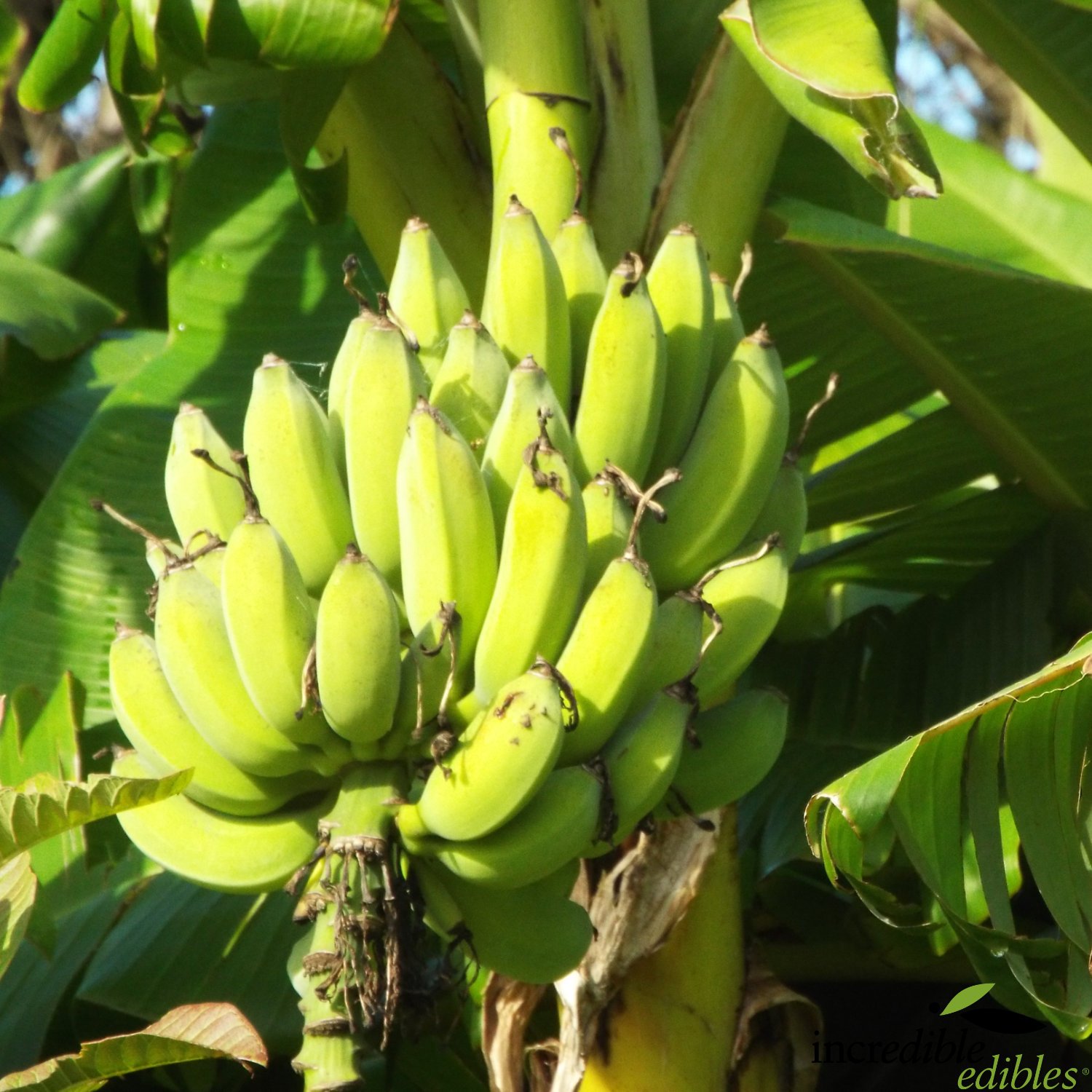
- Bananas
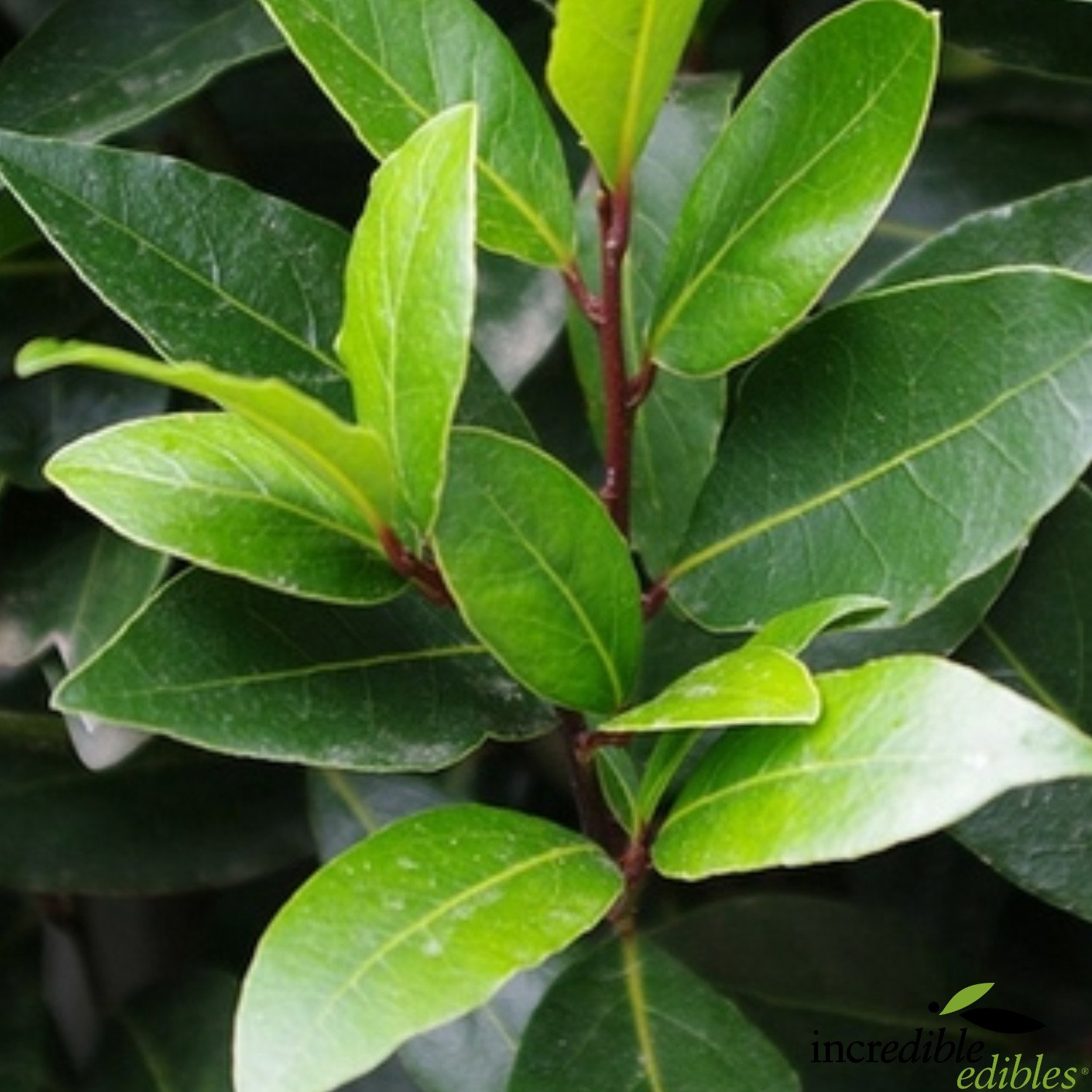
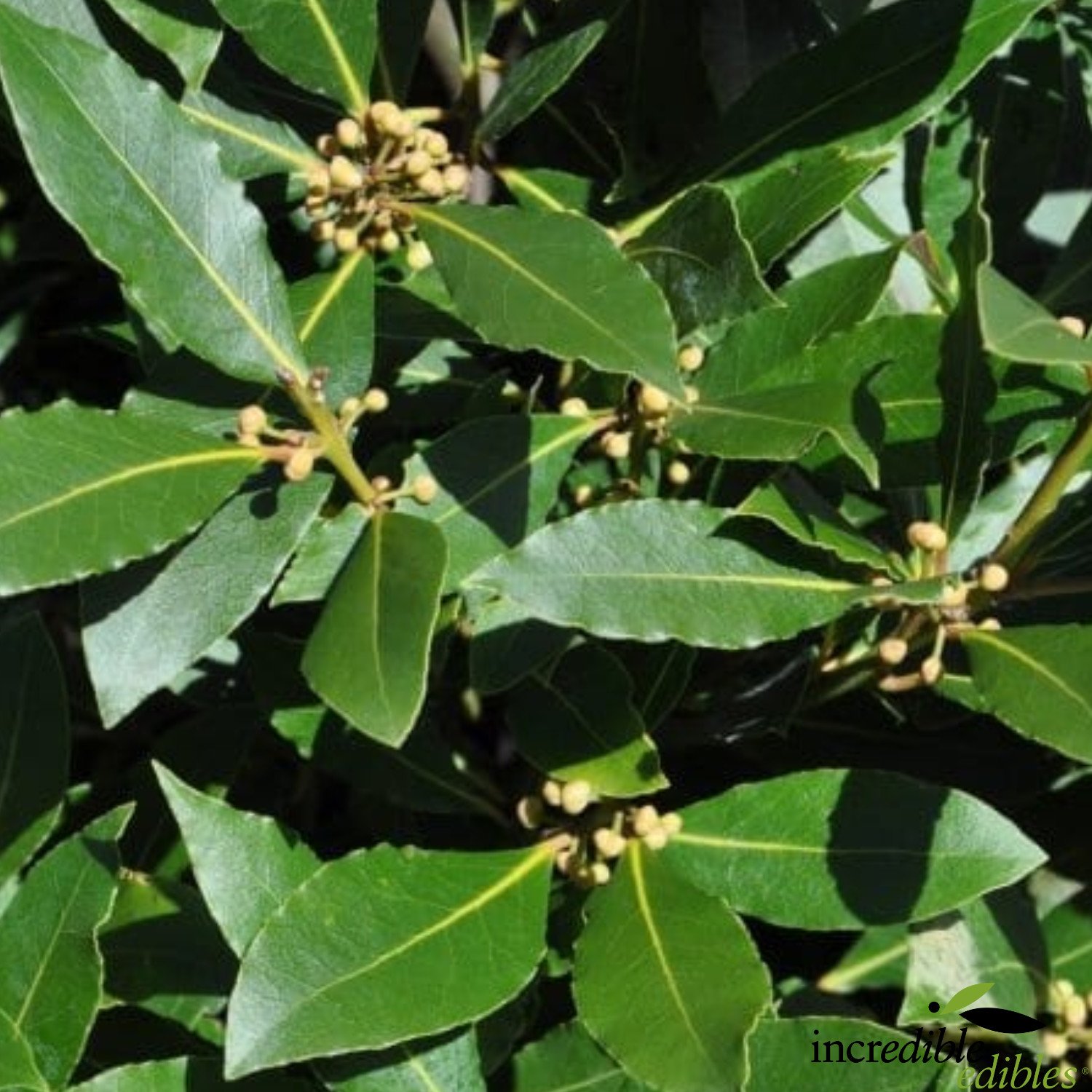
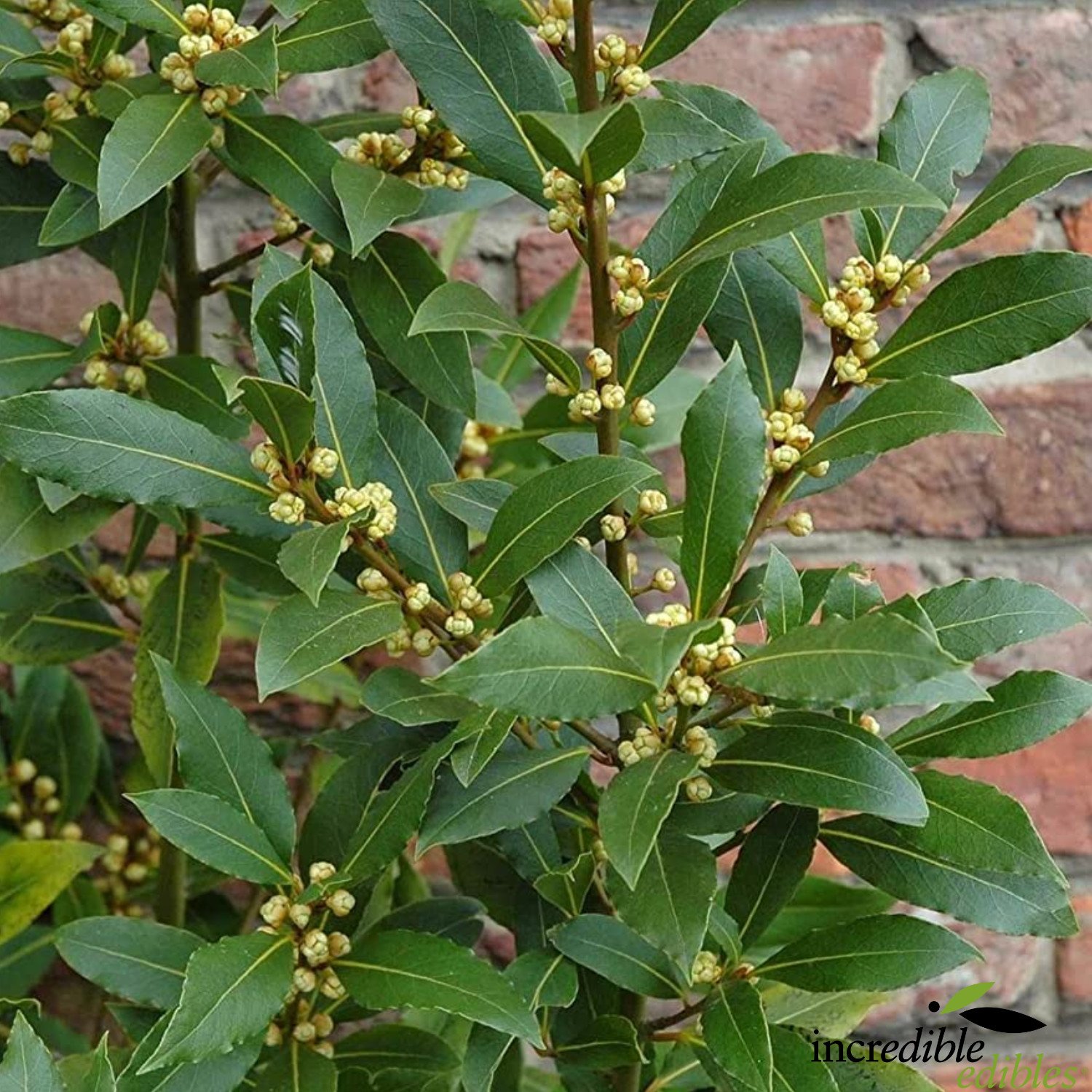
- Bay Trees
- Berryfruit
- Blueberries
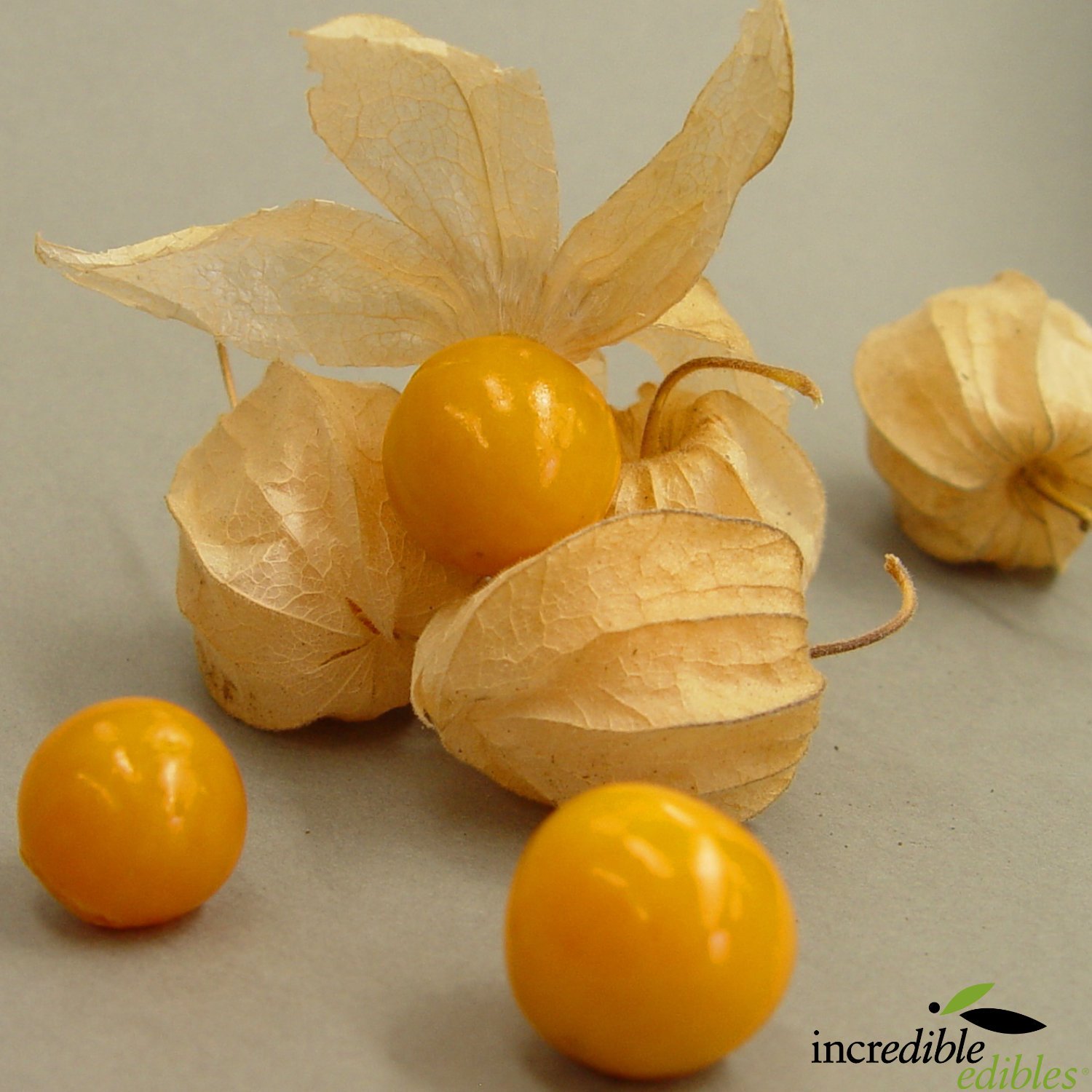
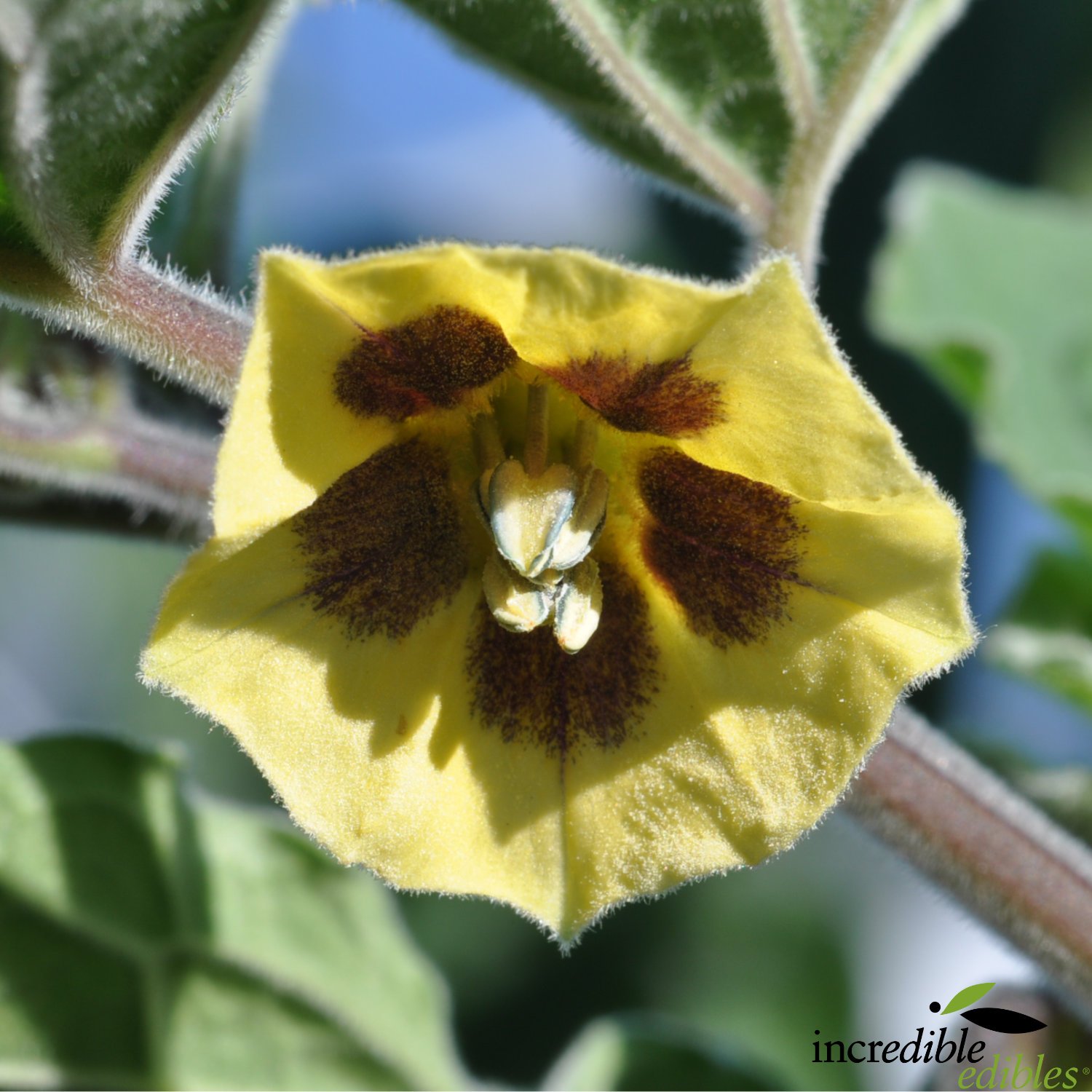
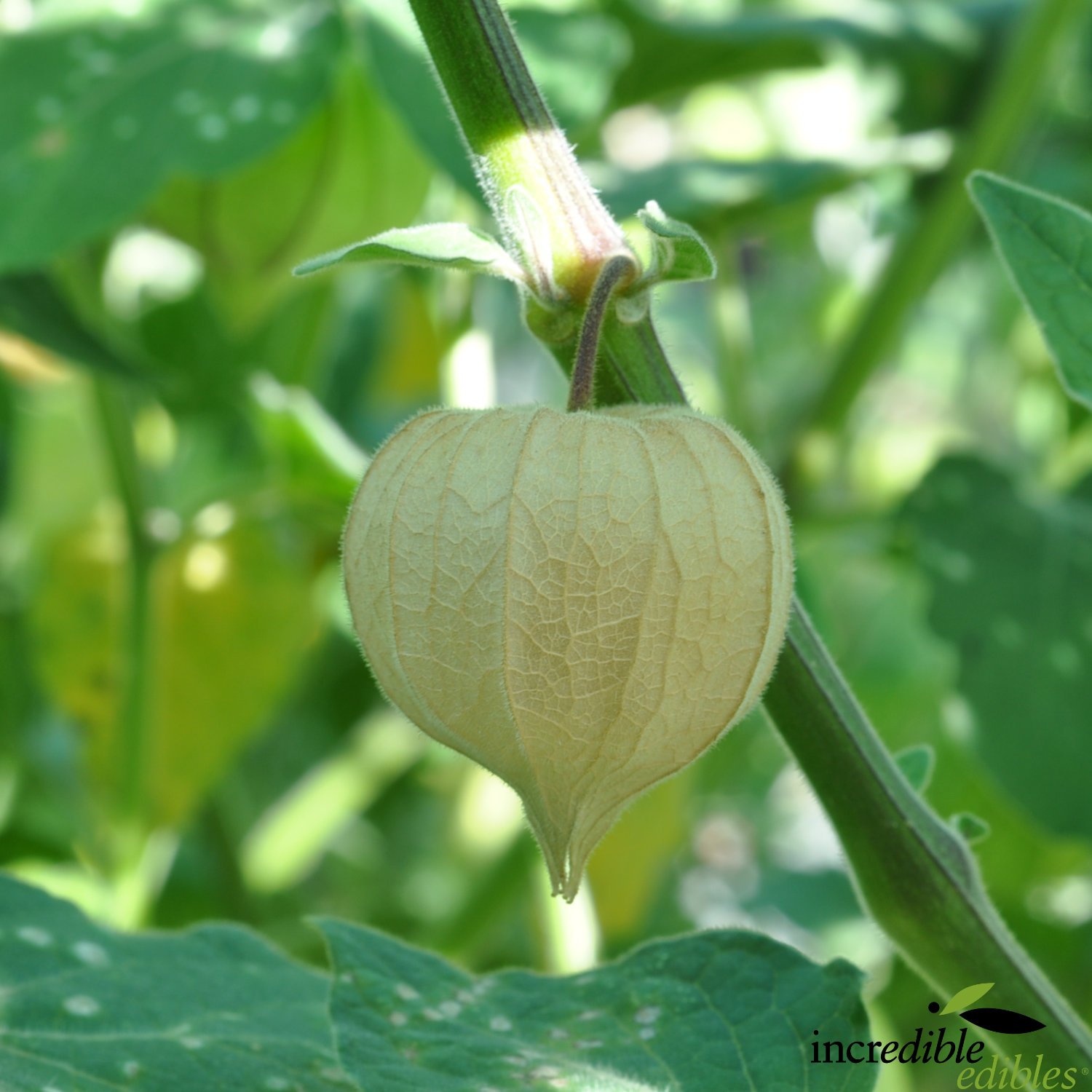
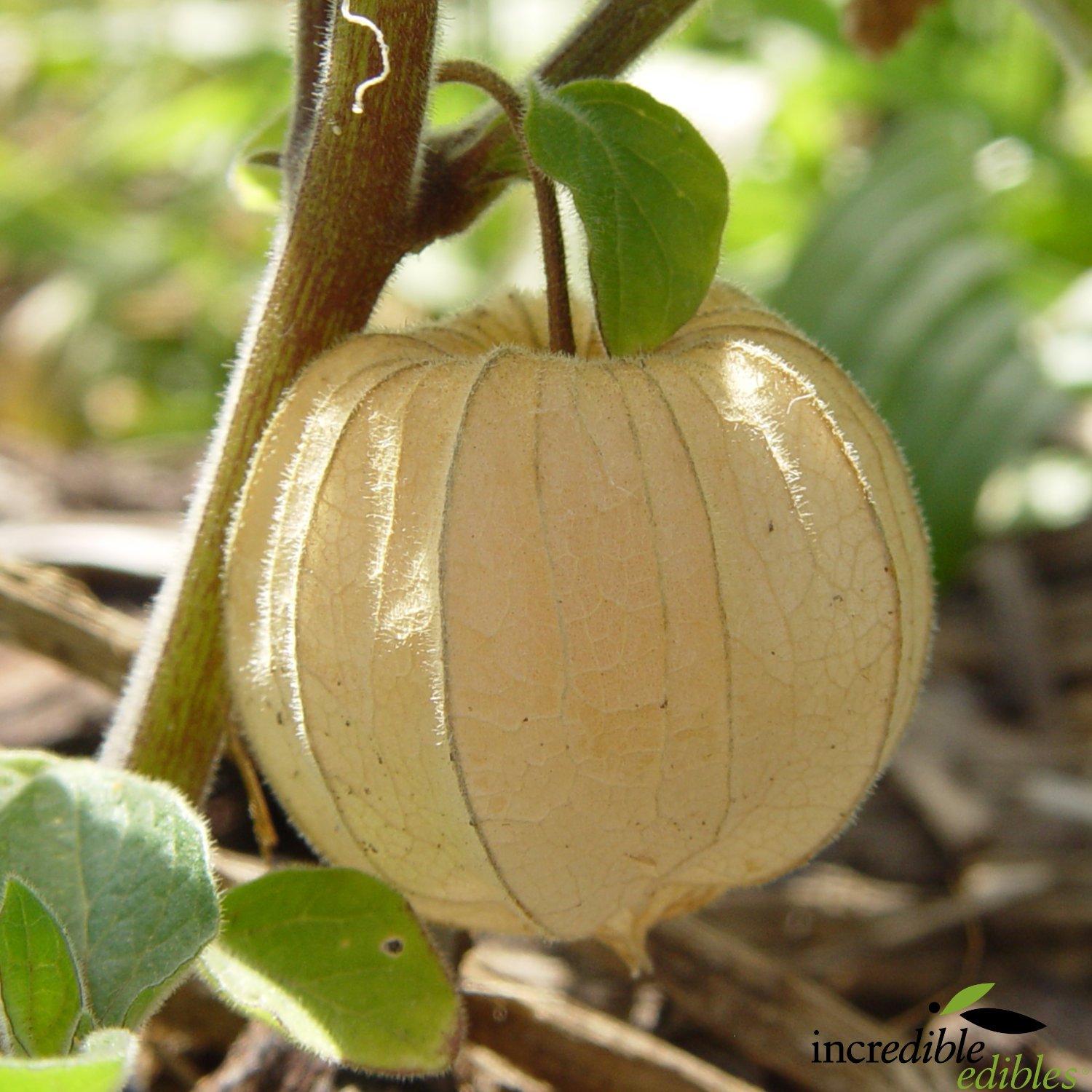
- Cape Gooseberry
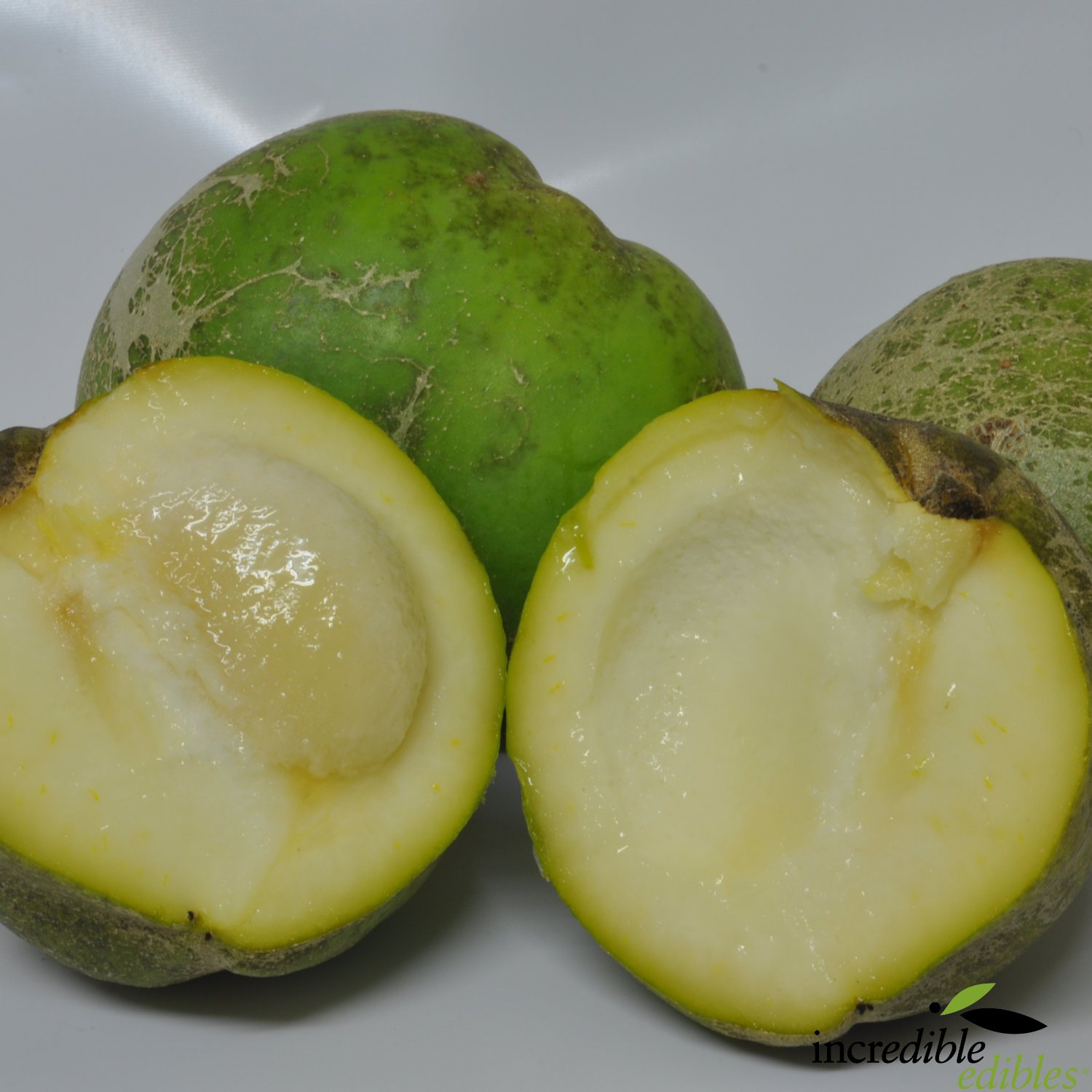
- Casimoroas
- Cherimoyas
- Chilean Guavas
- Citrus
- Coffee
- Currants
- Curry Leaf
- Feijoas
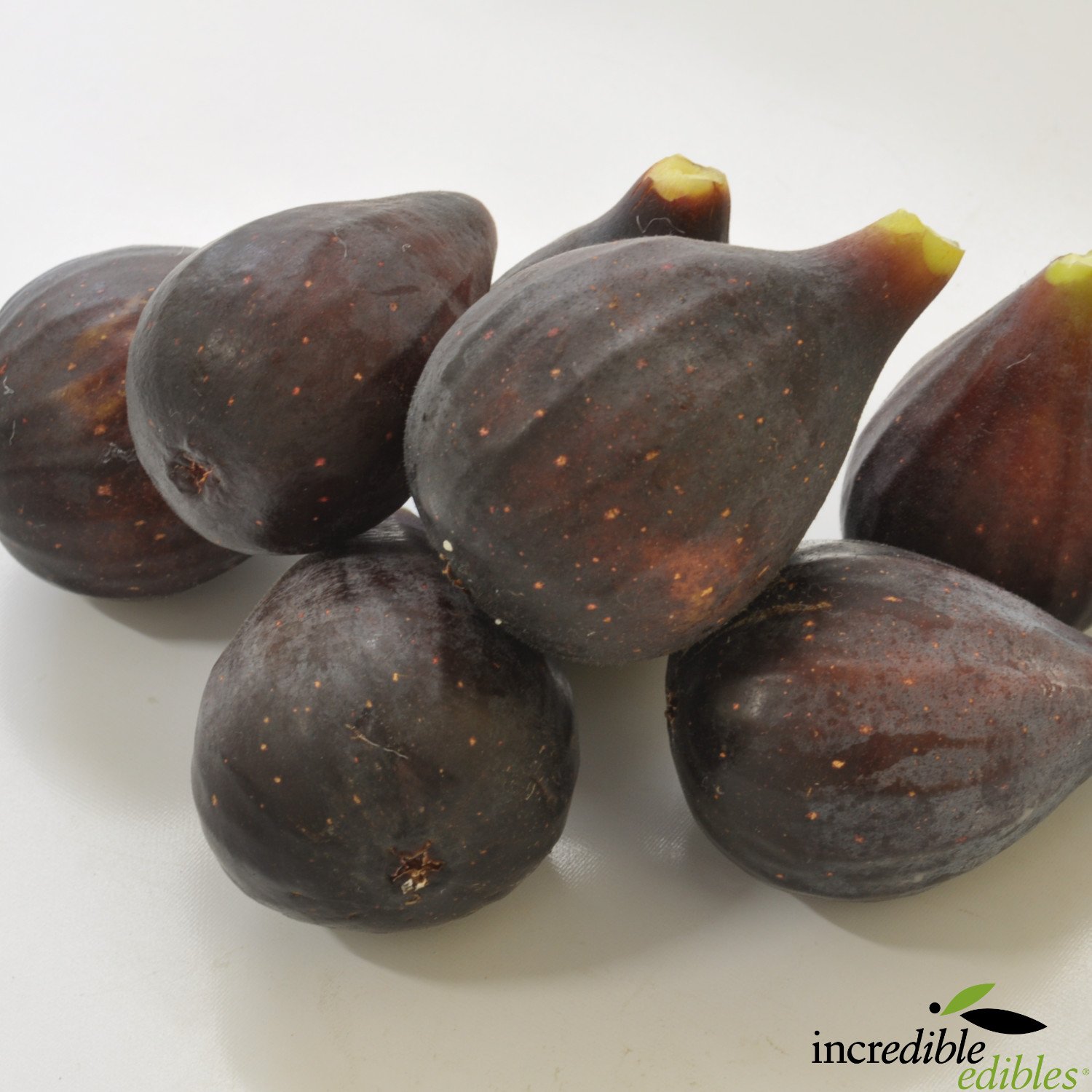
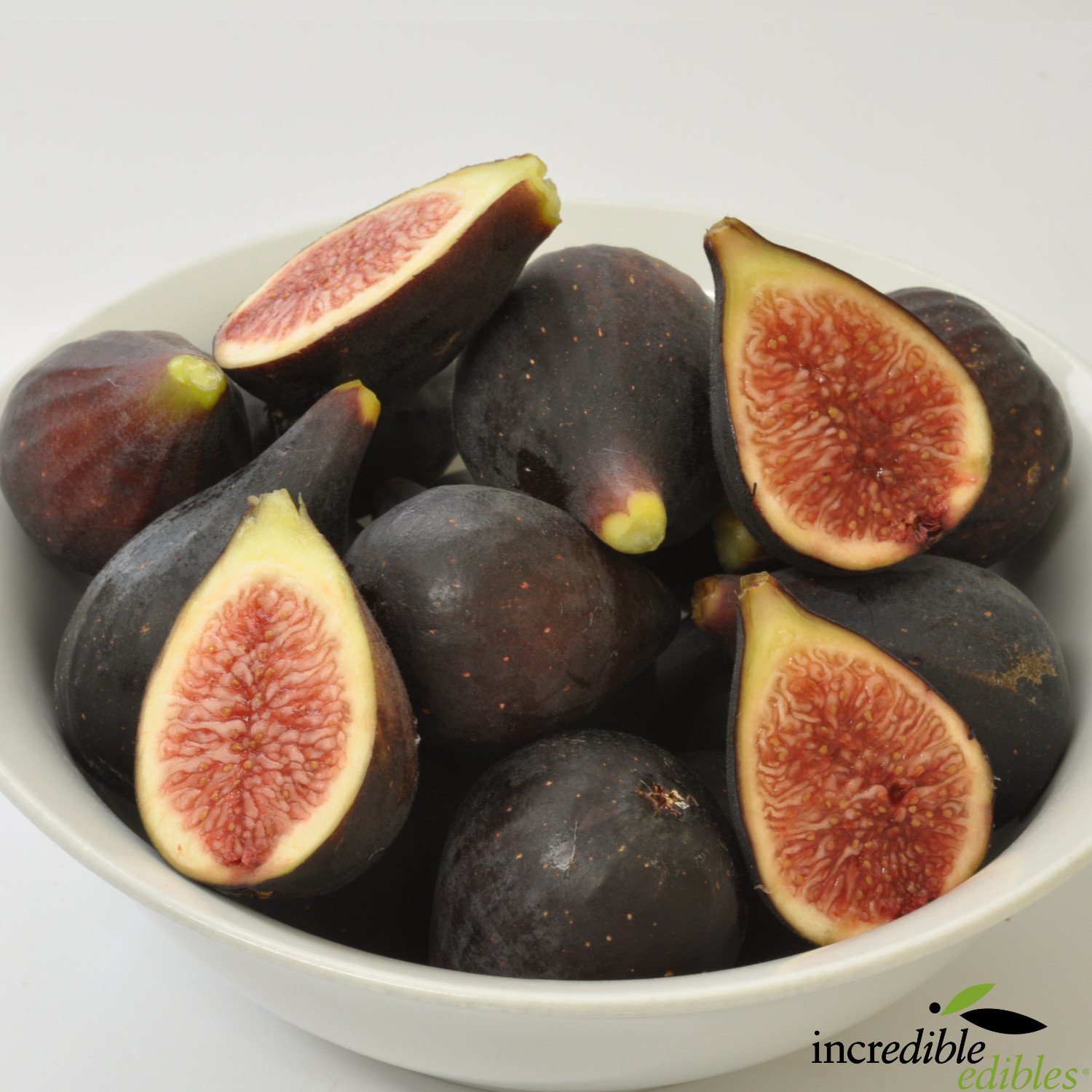
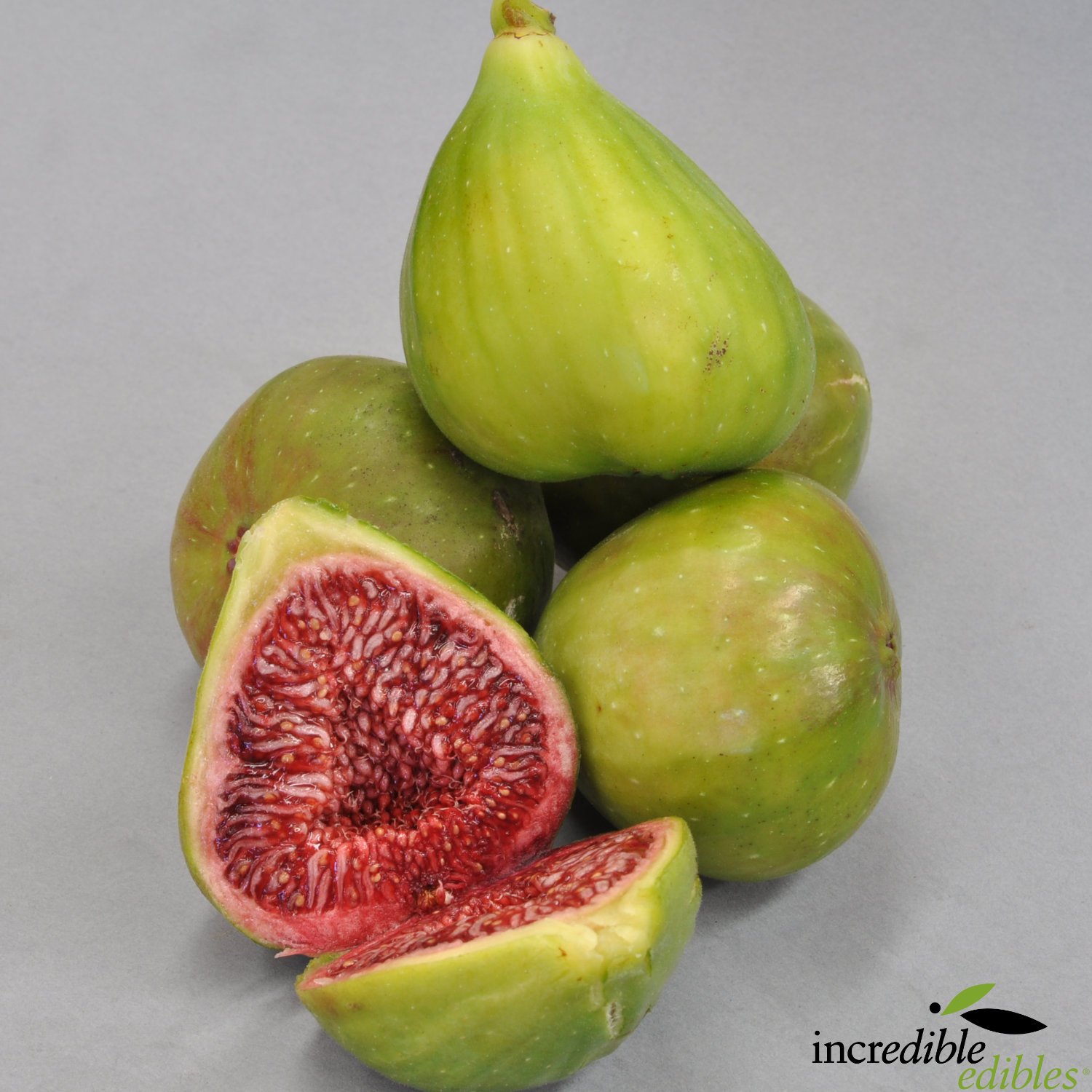
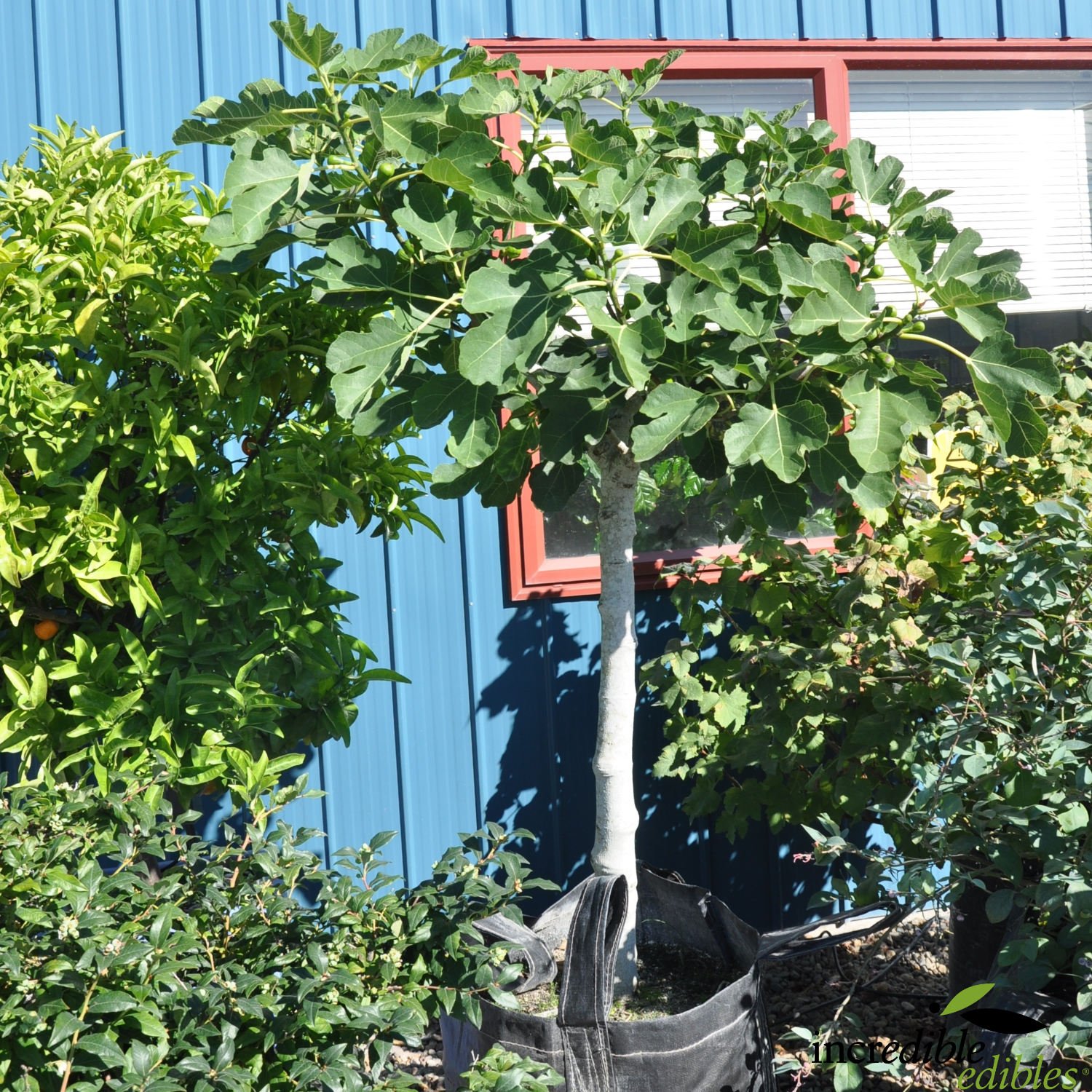
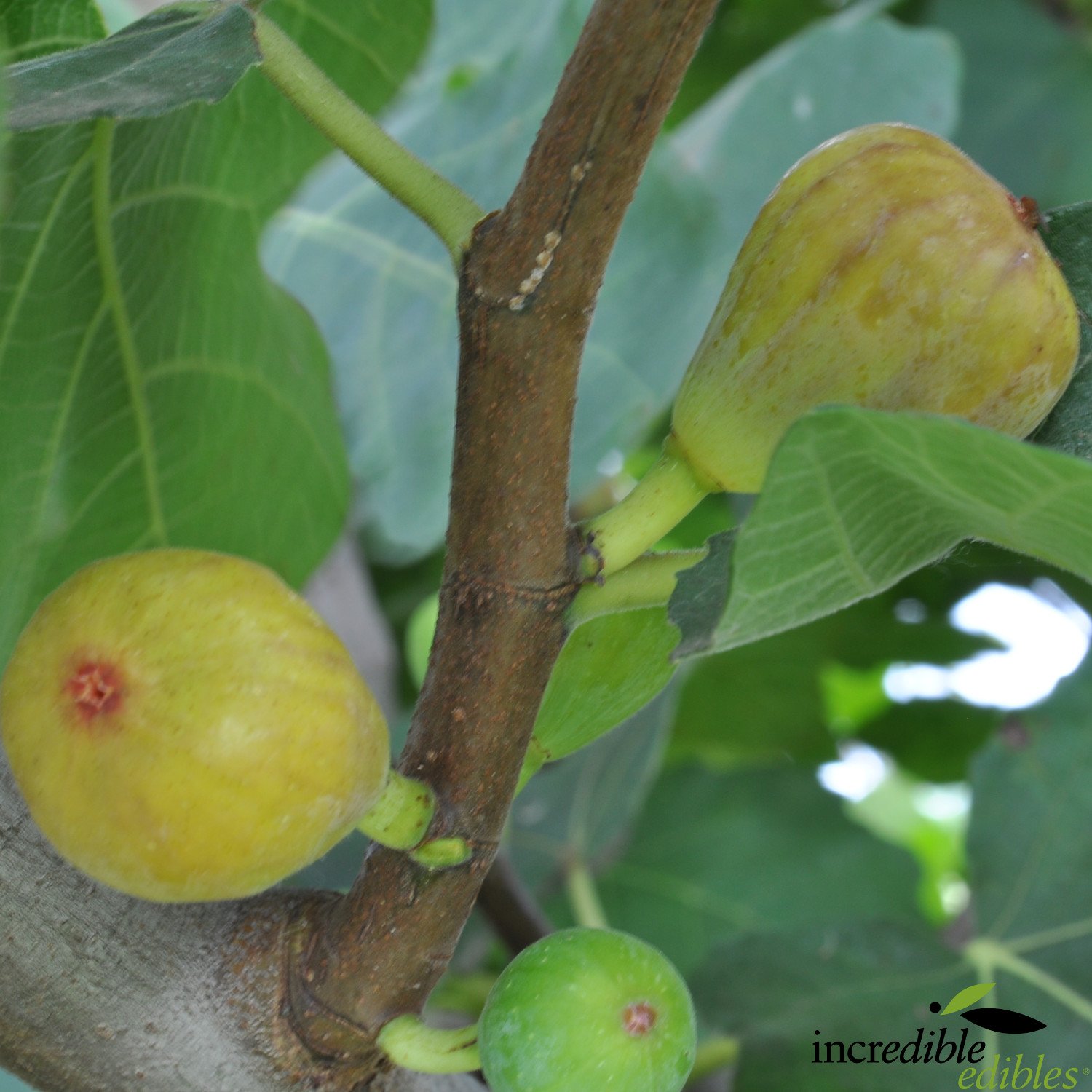
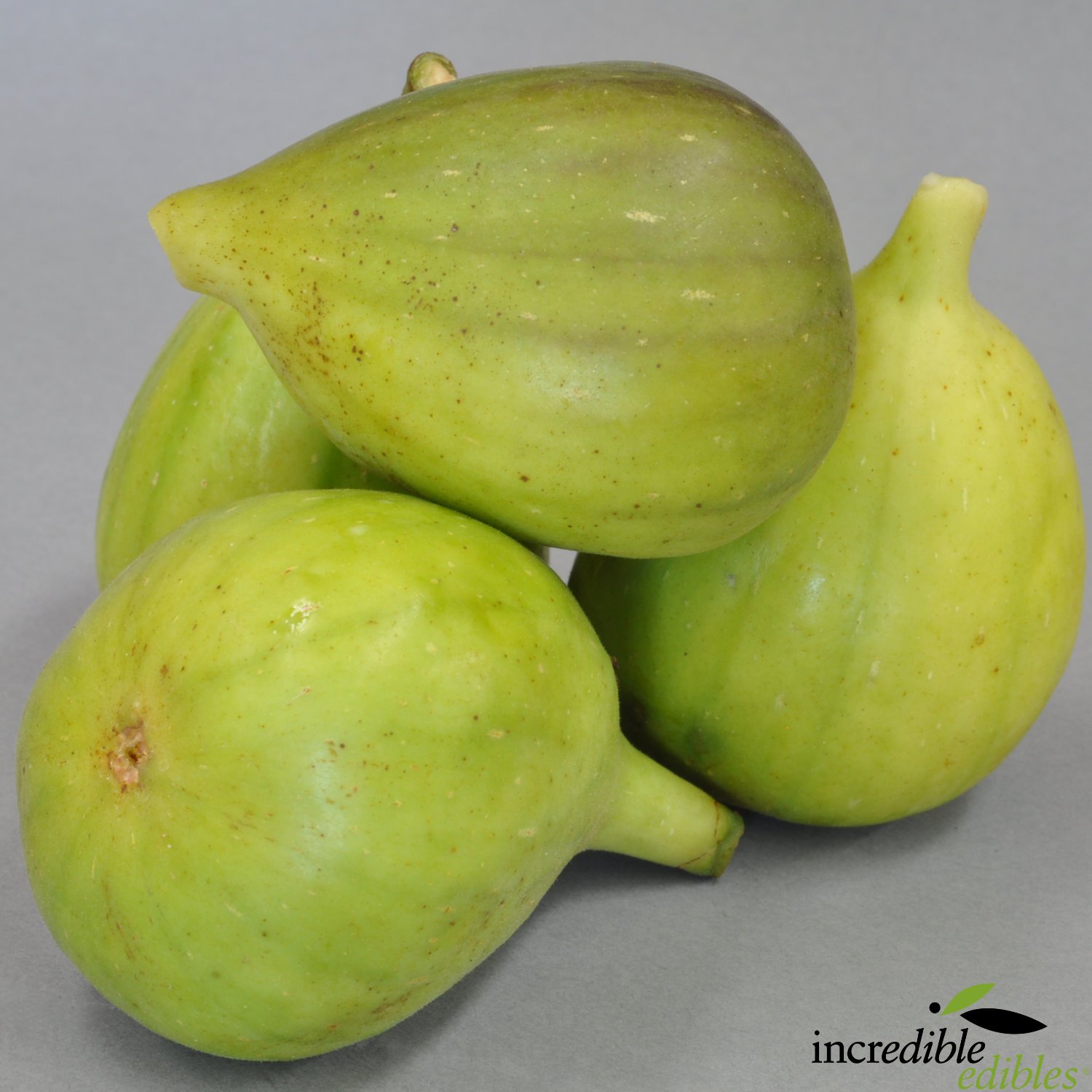
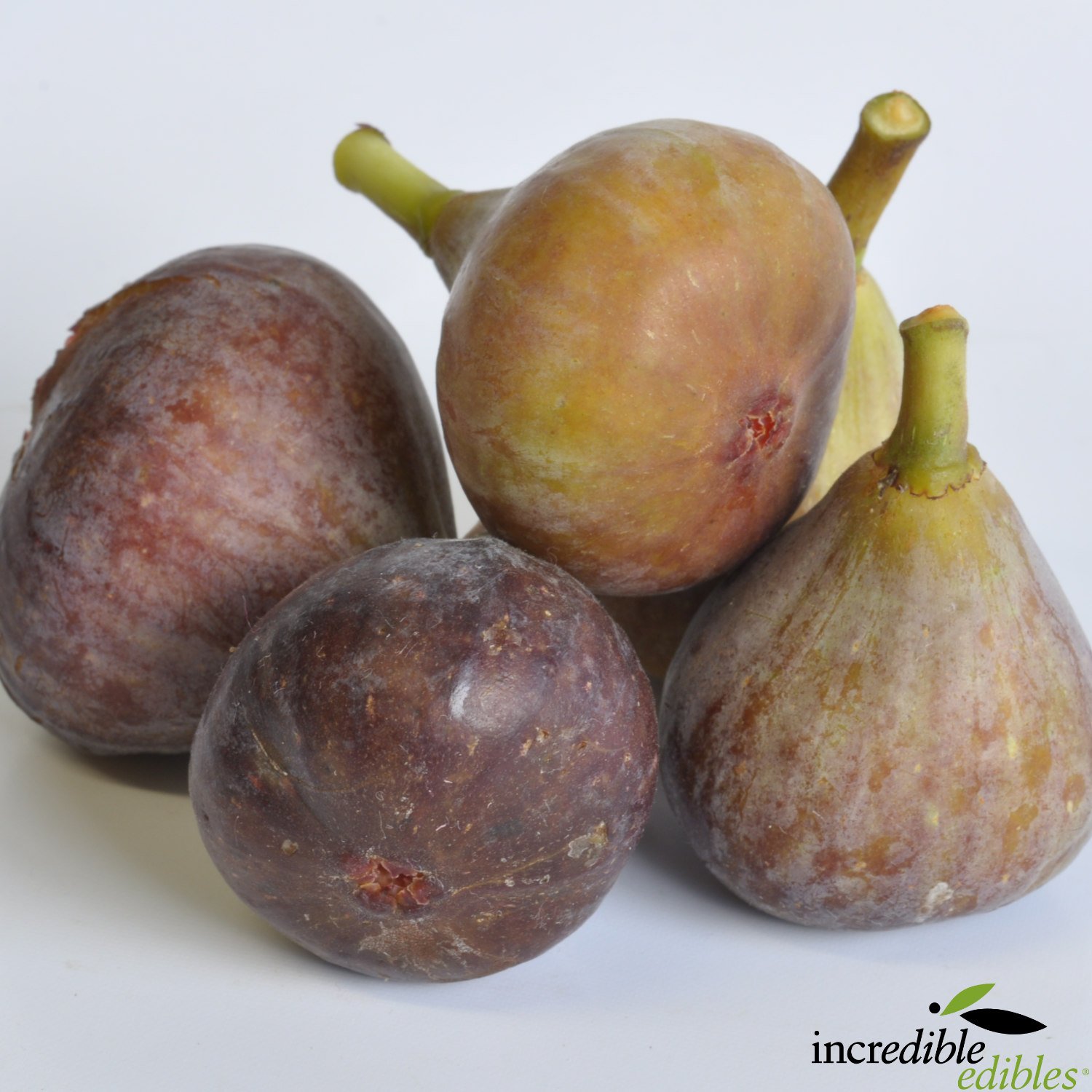
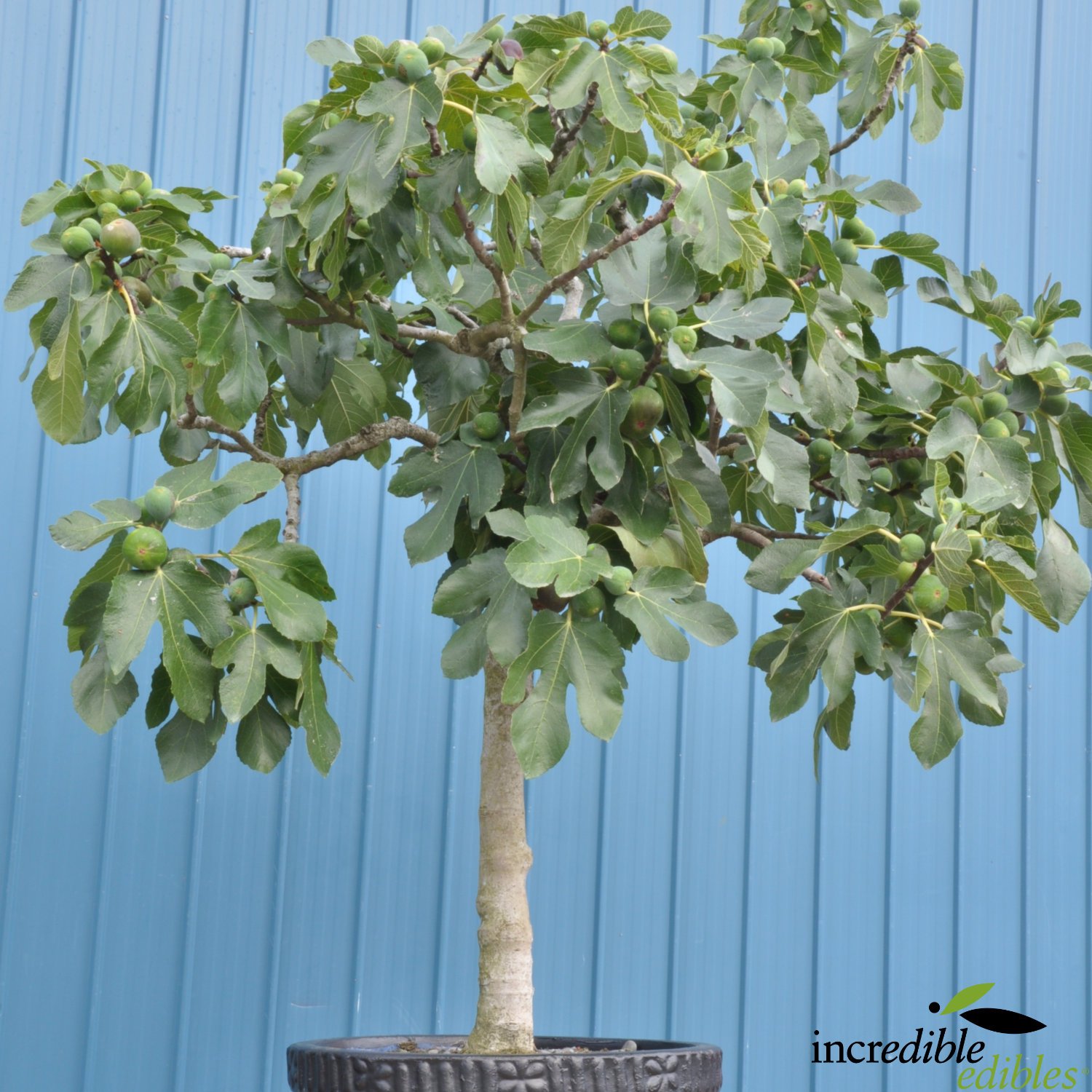
- Figs
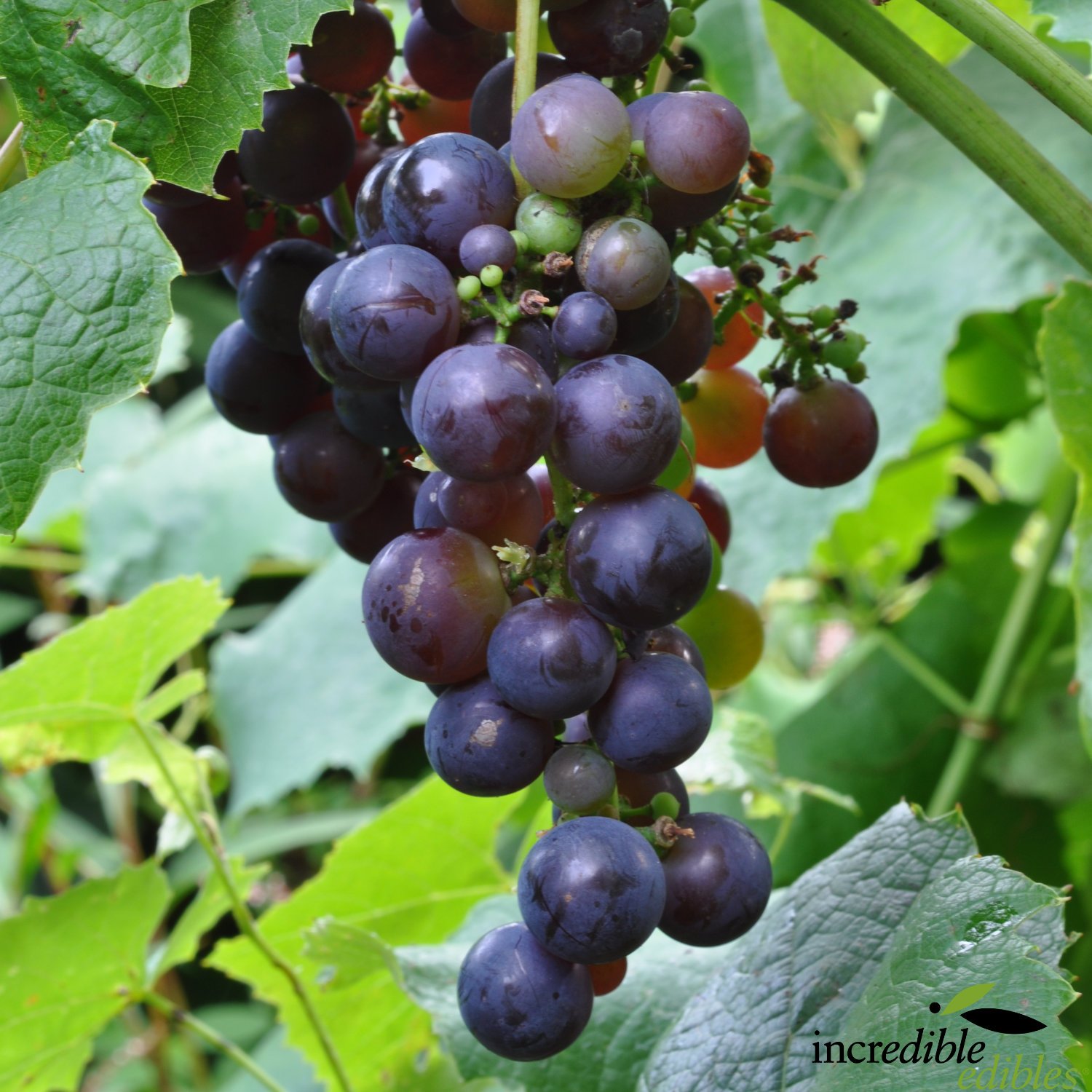
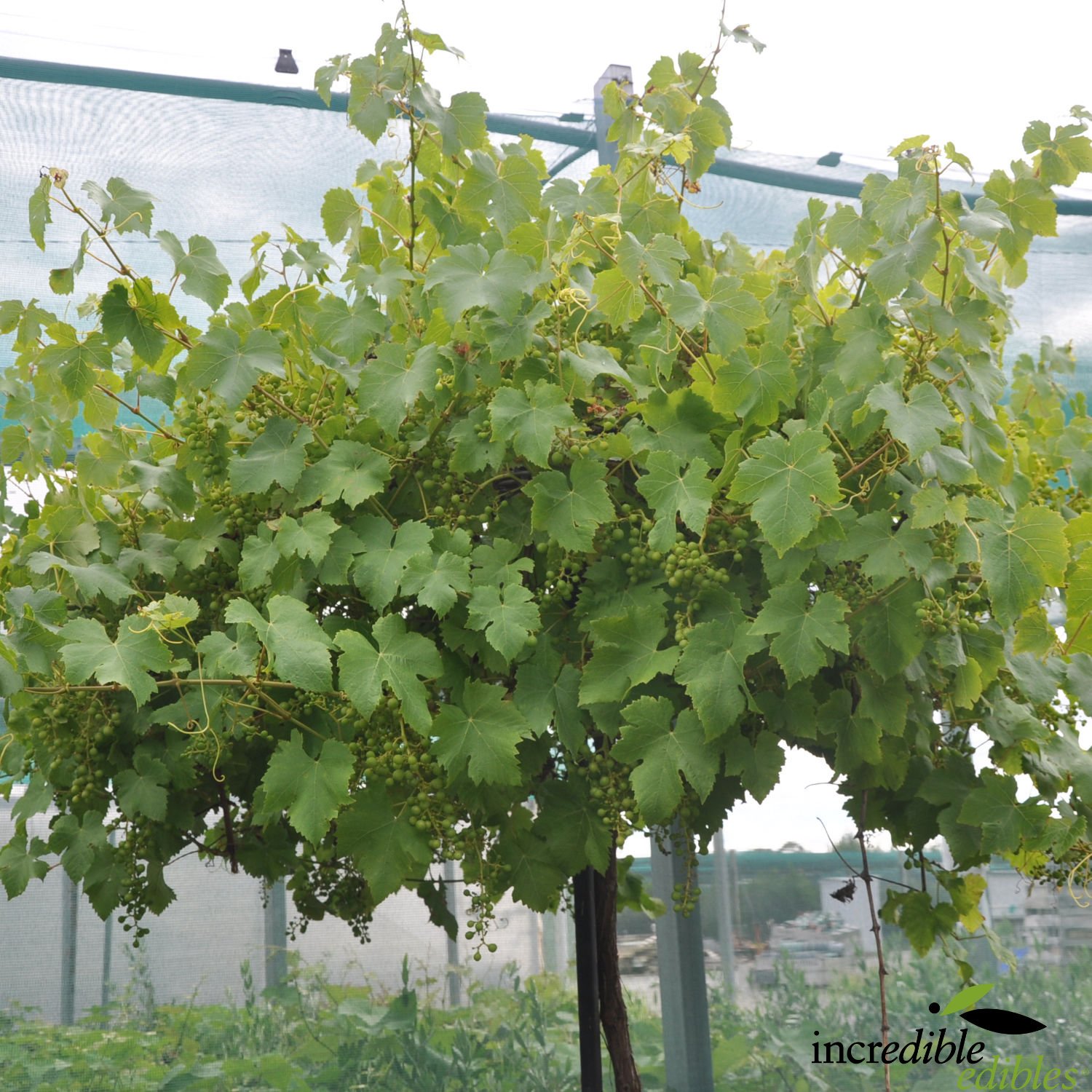
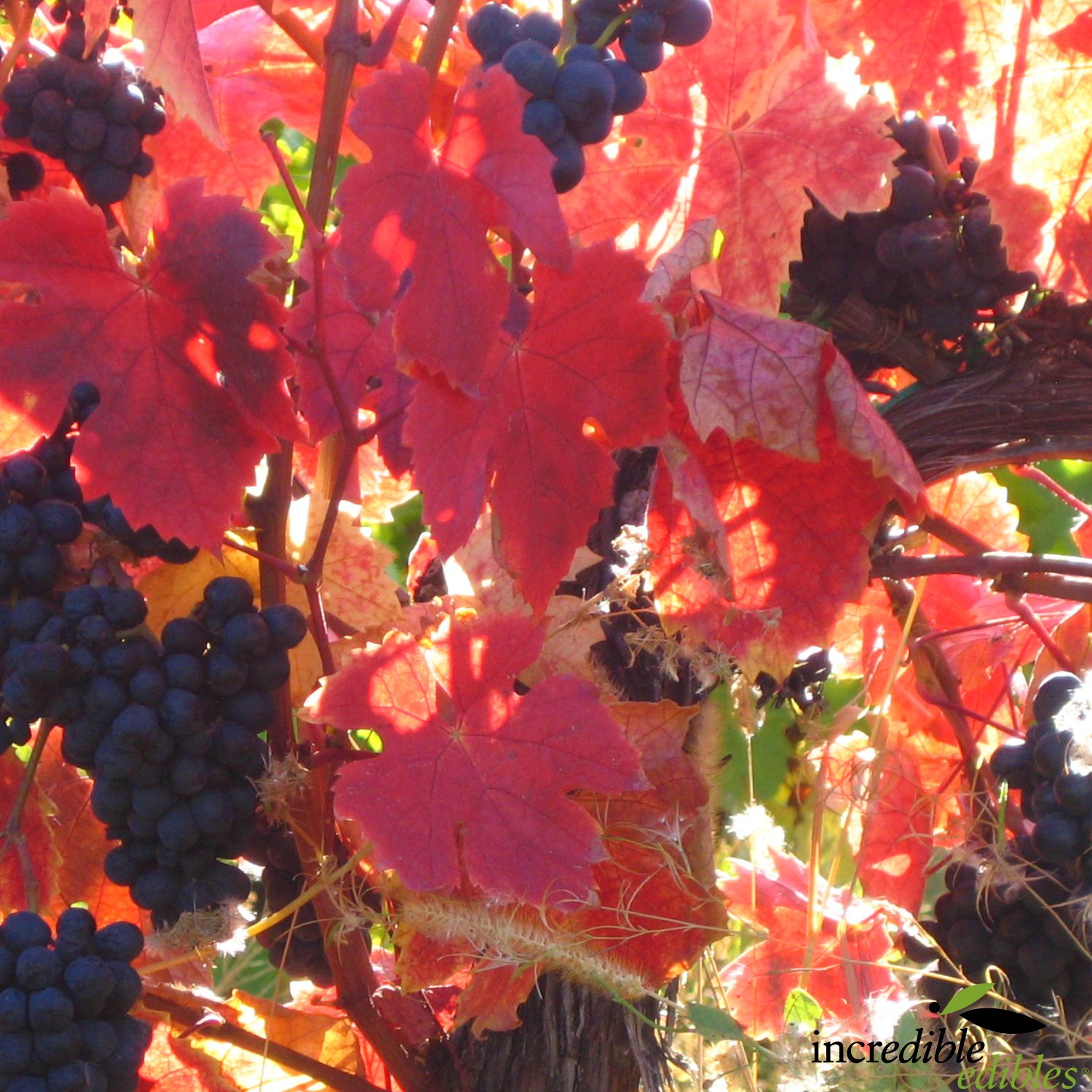
- Grapes
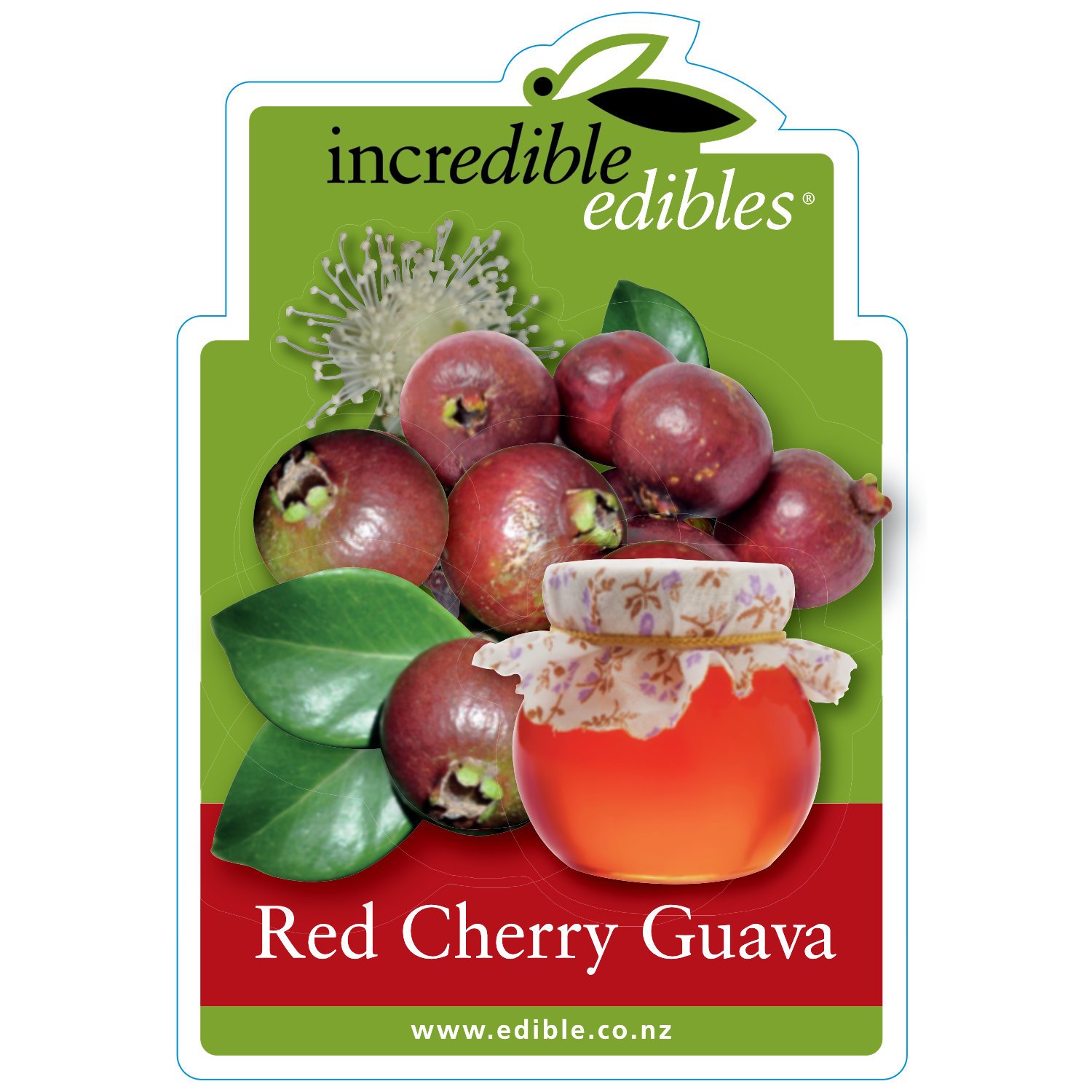
- Guava - Cherry
- Hops
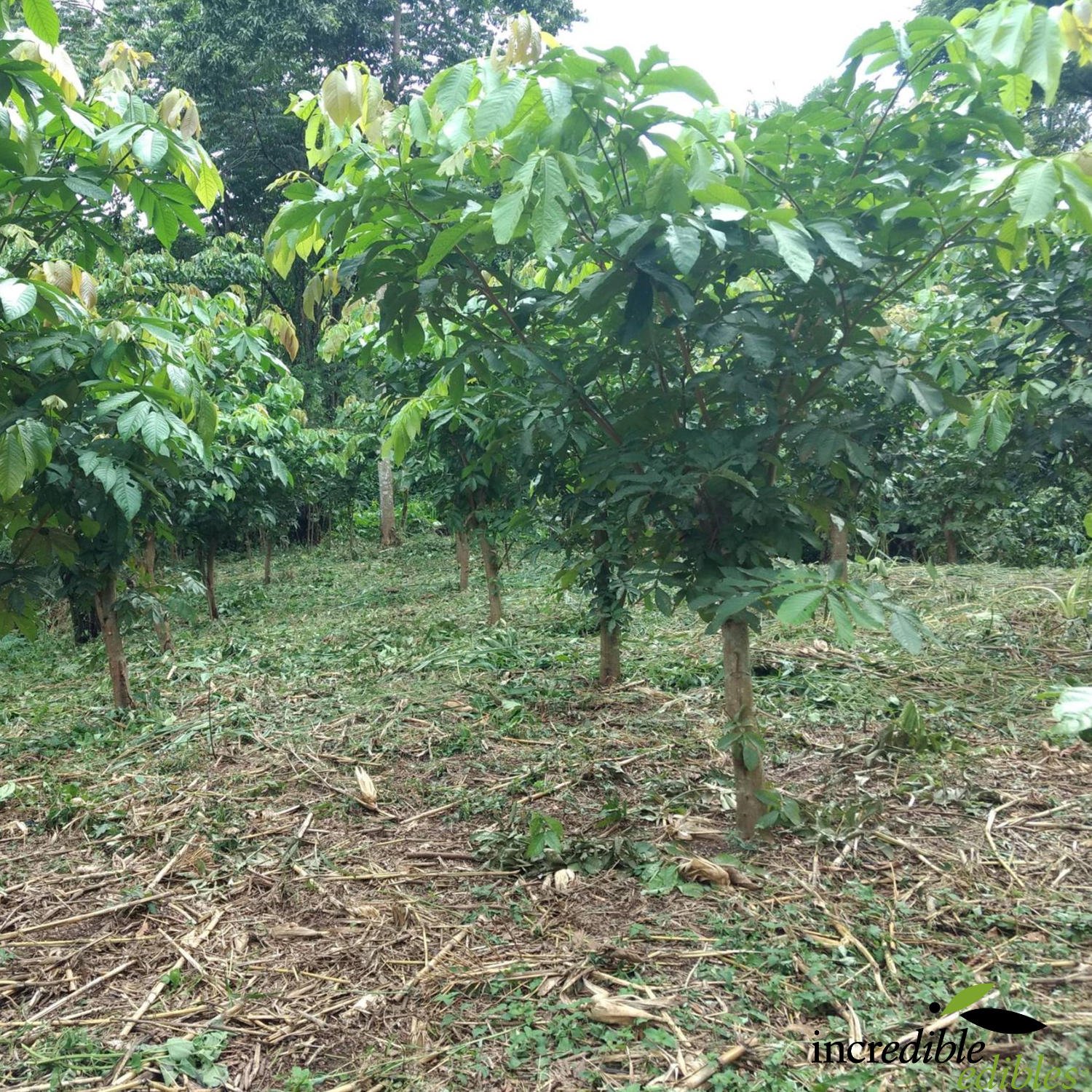
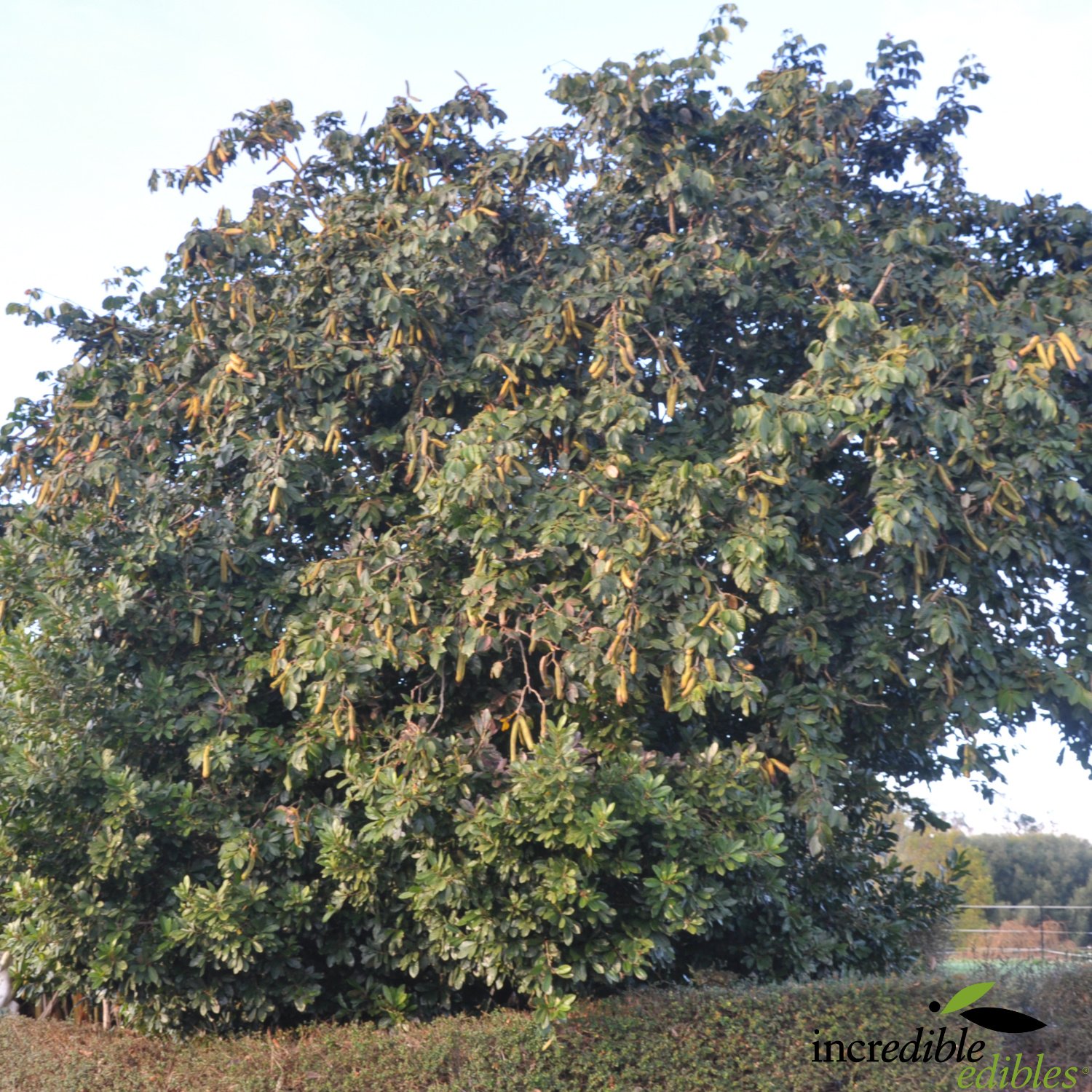
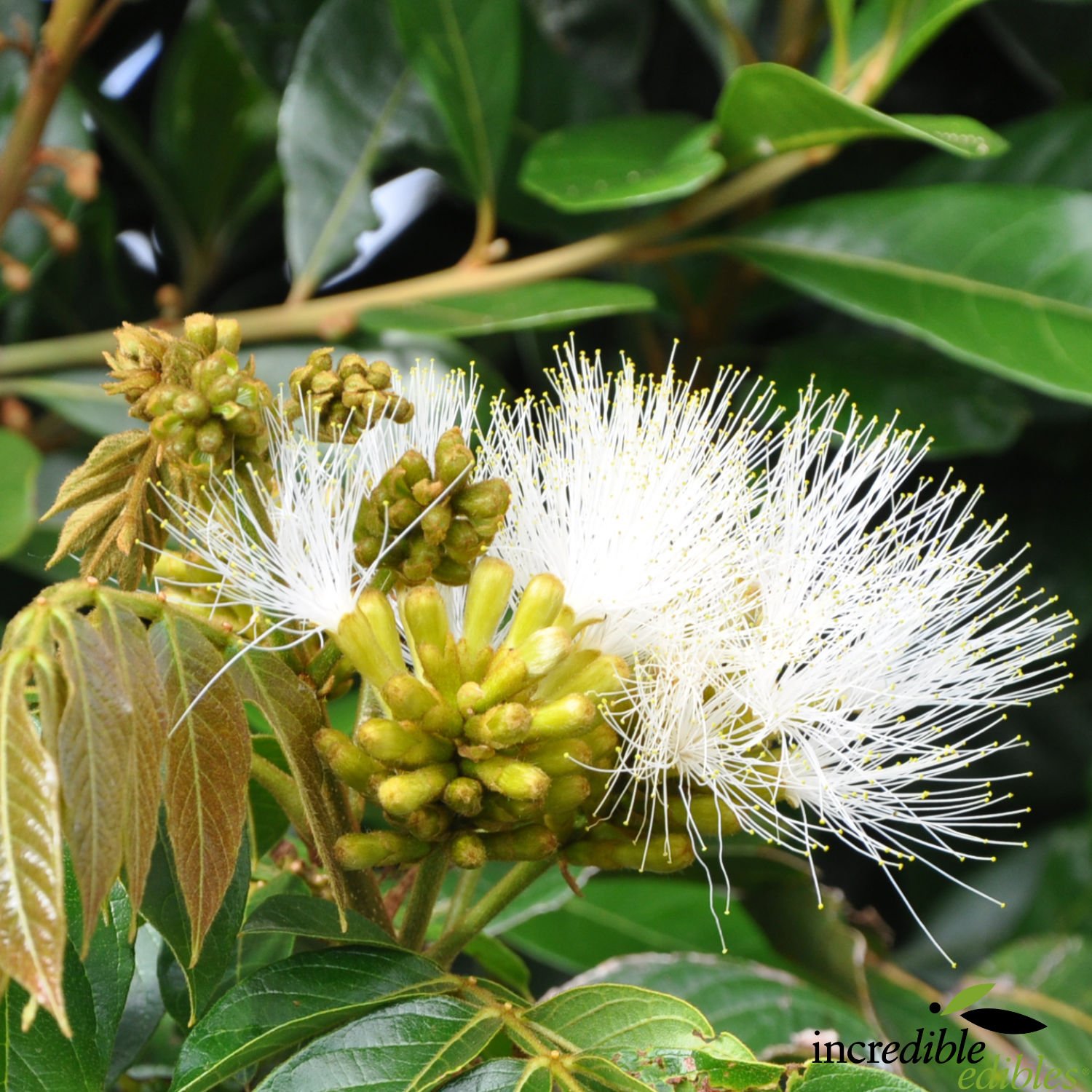
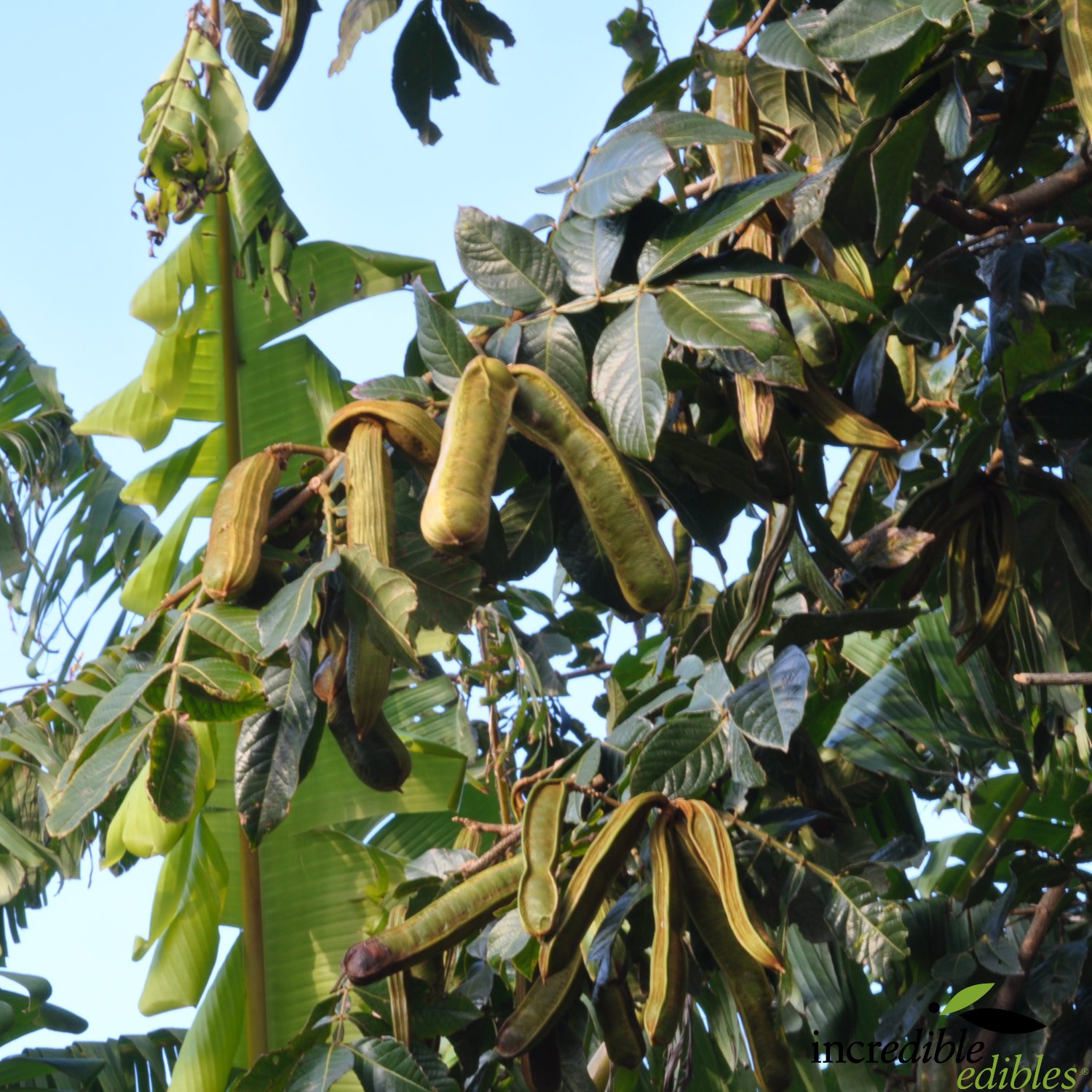
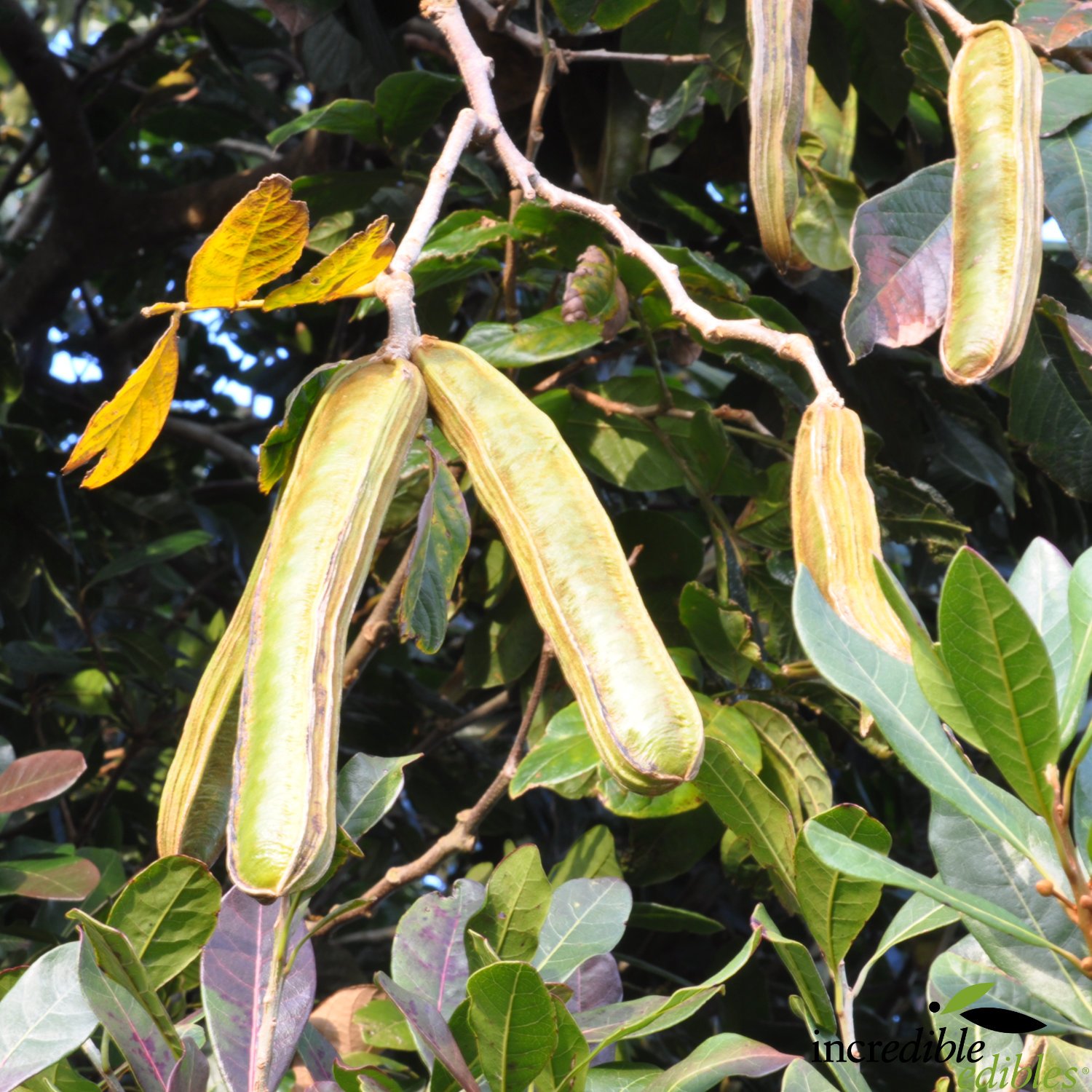
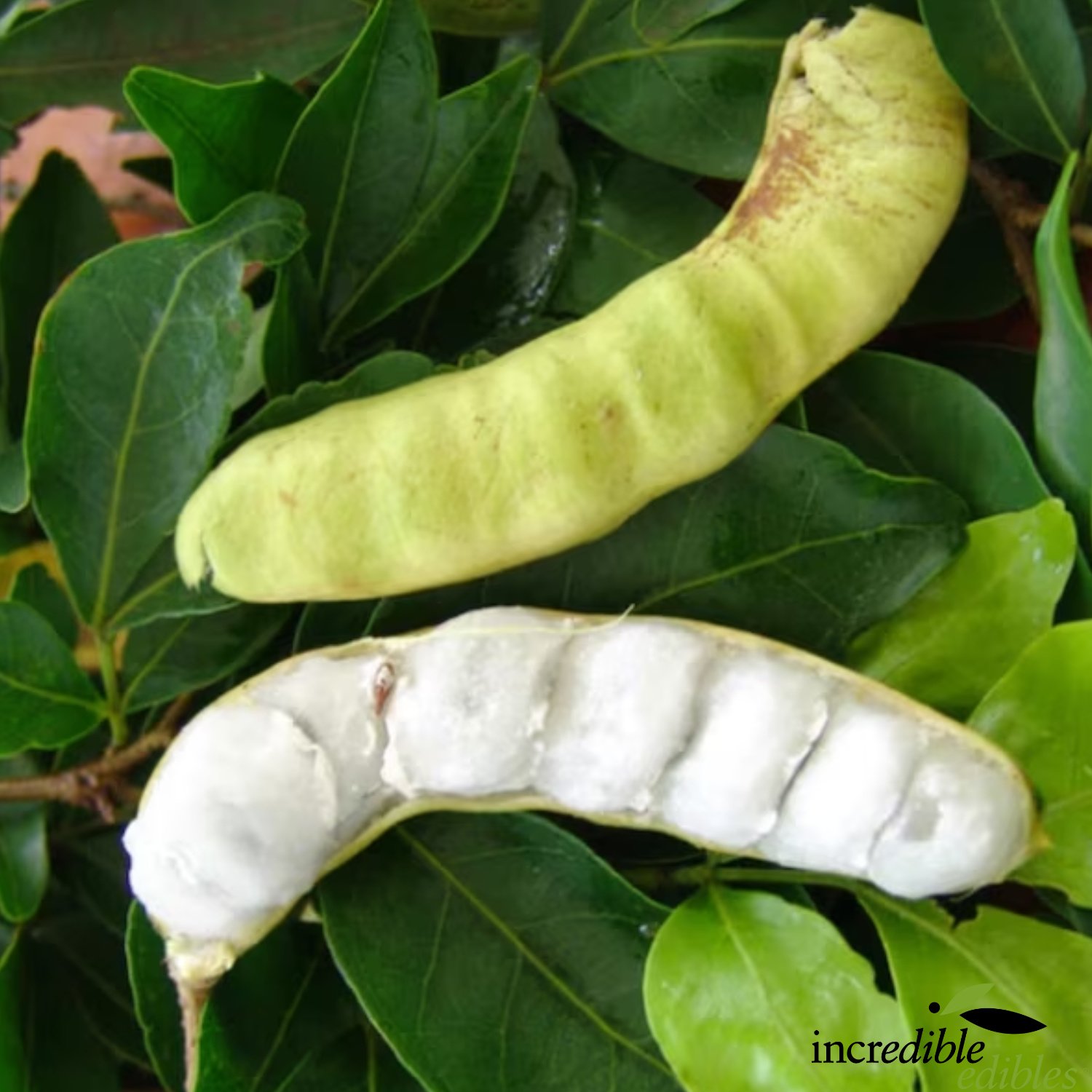
- Ice-cream Bean
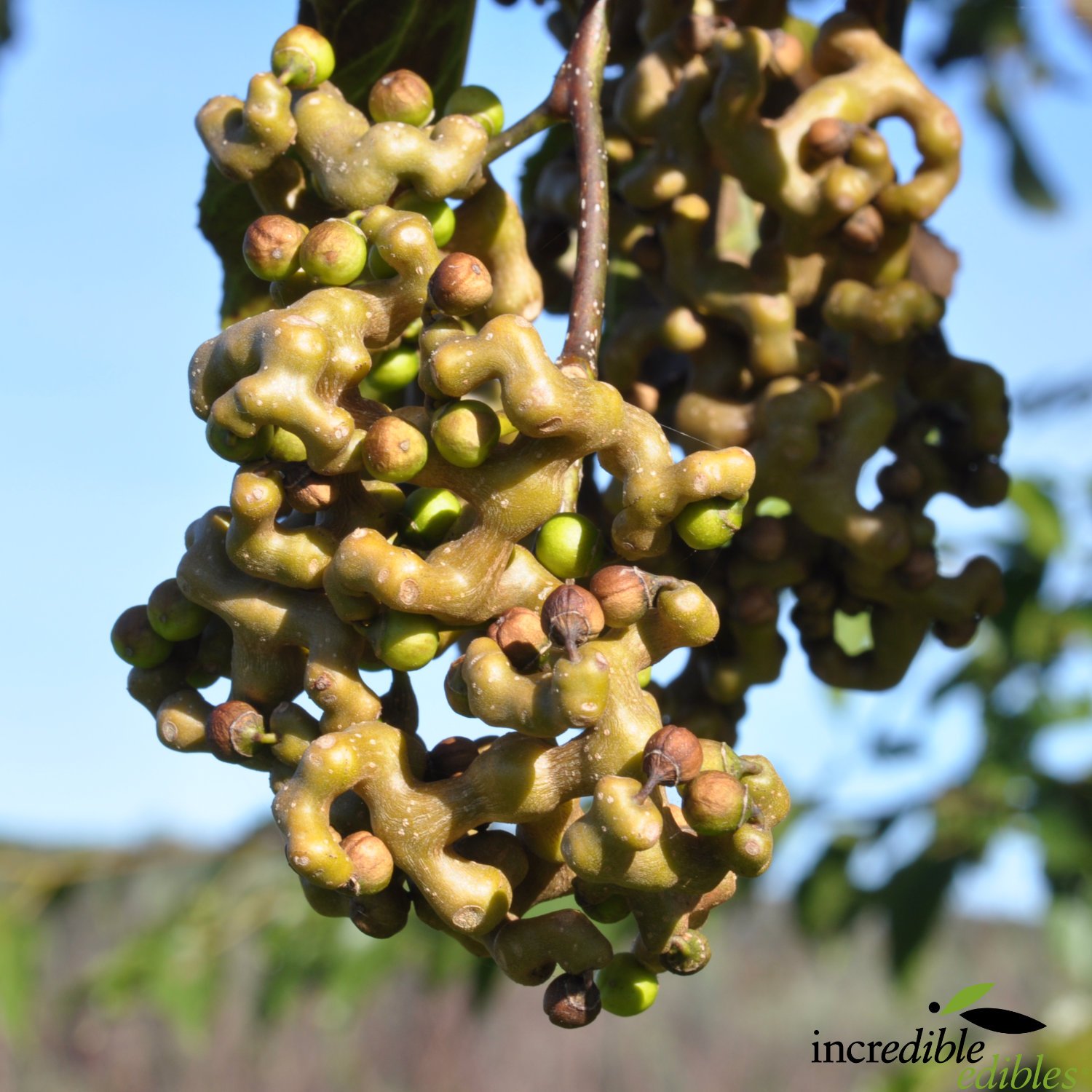
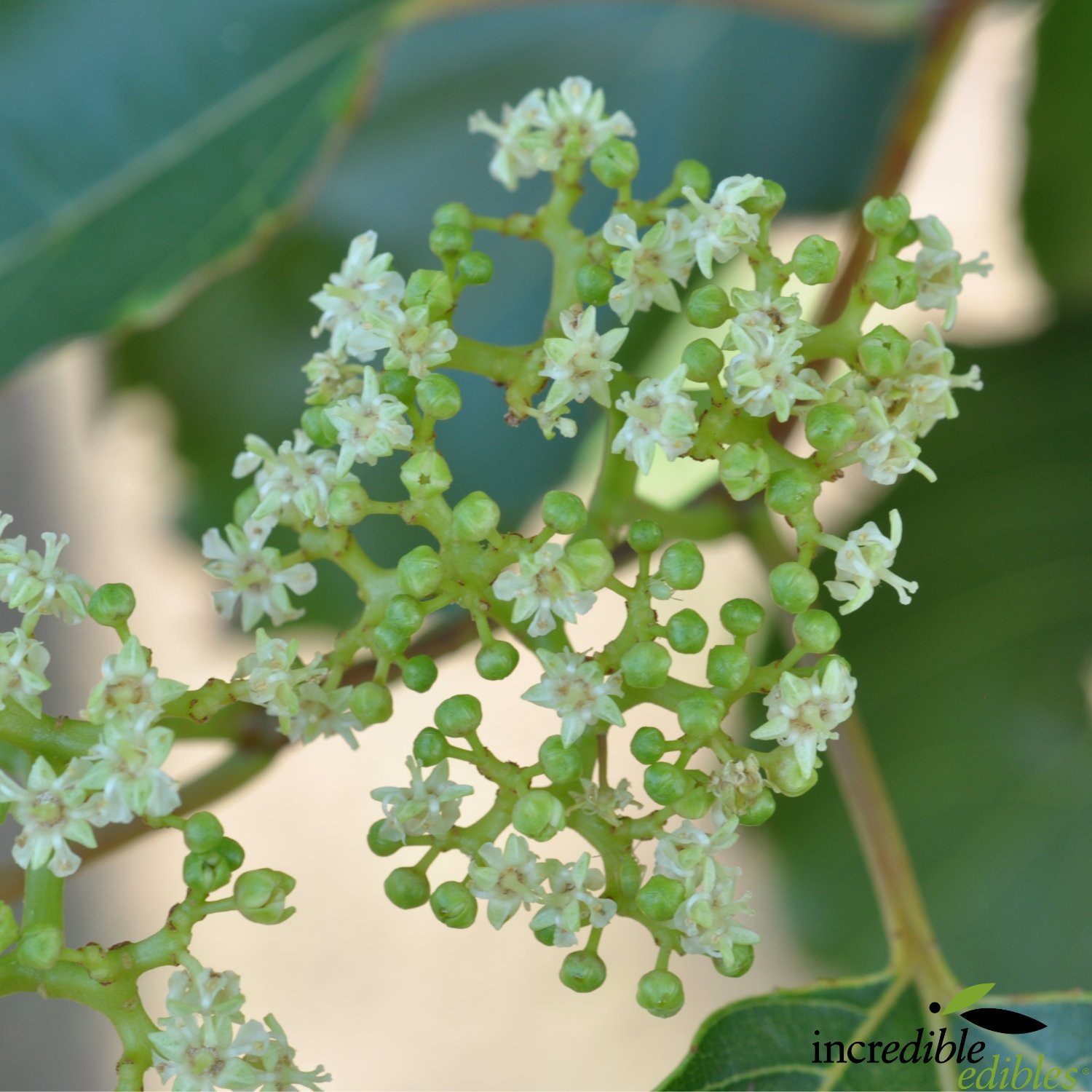
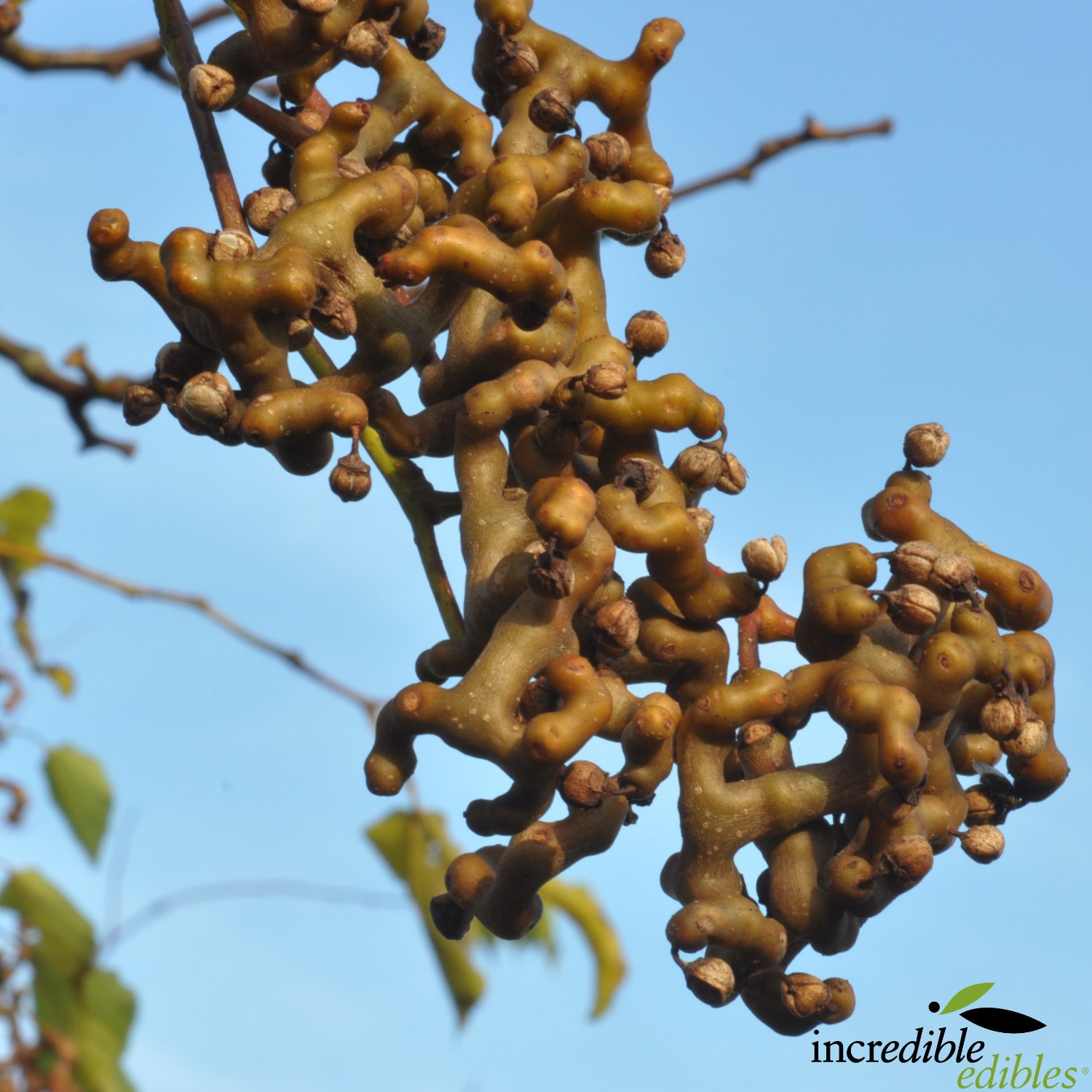
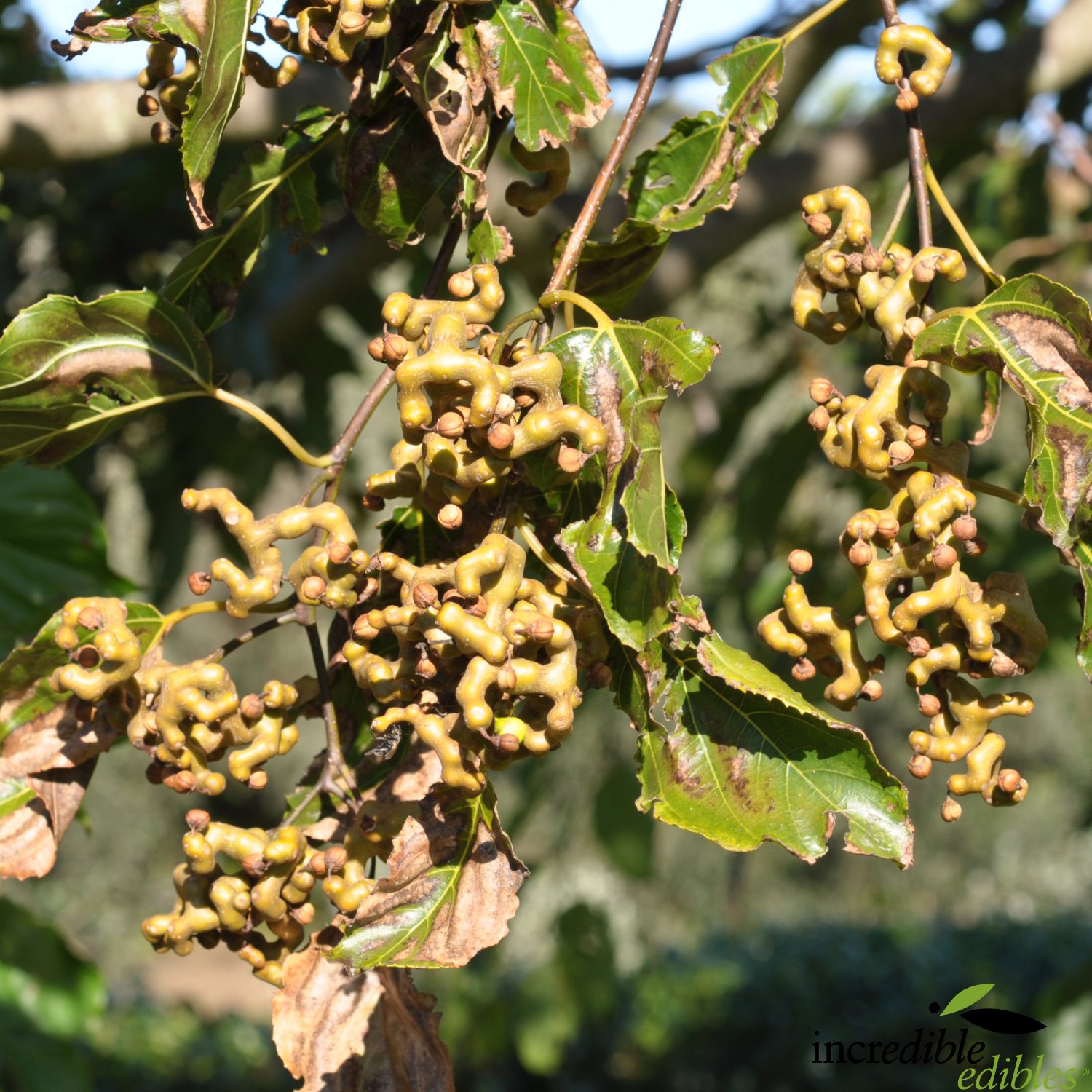
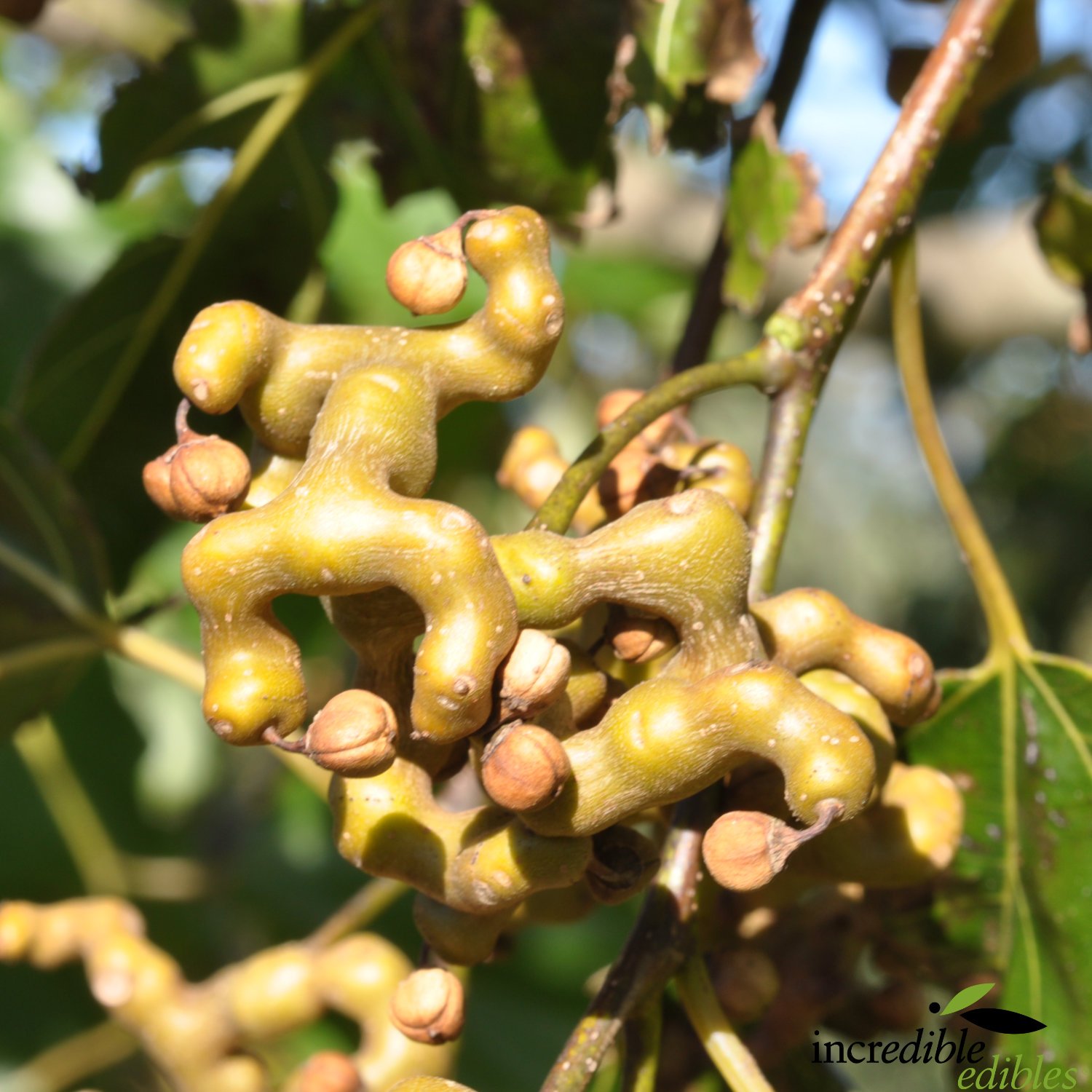
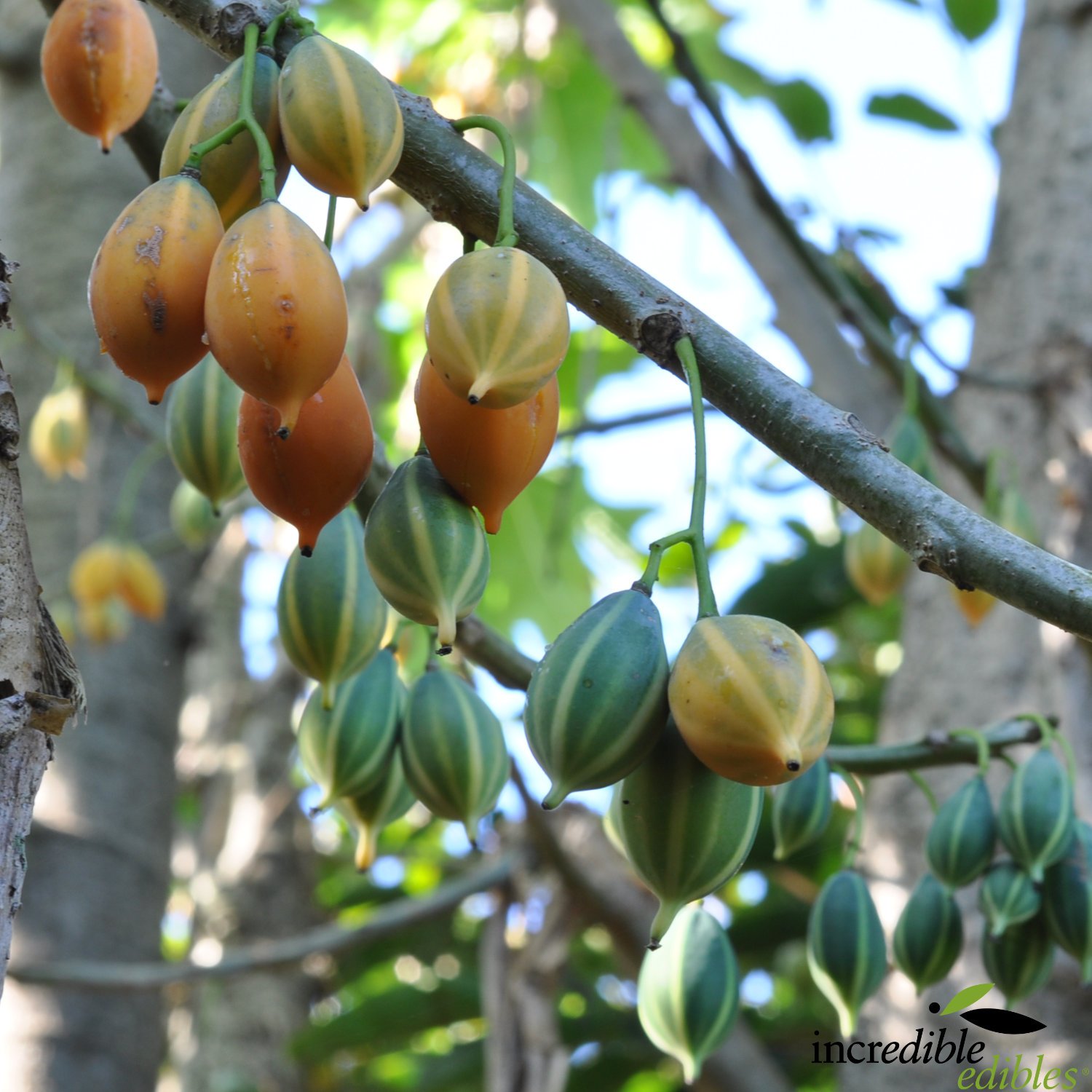
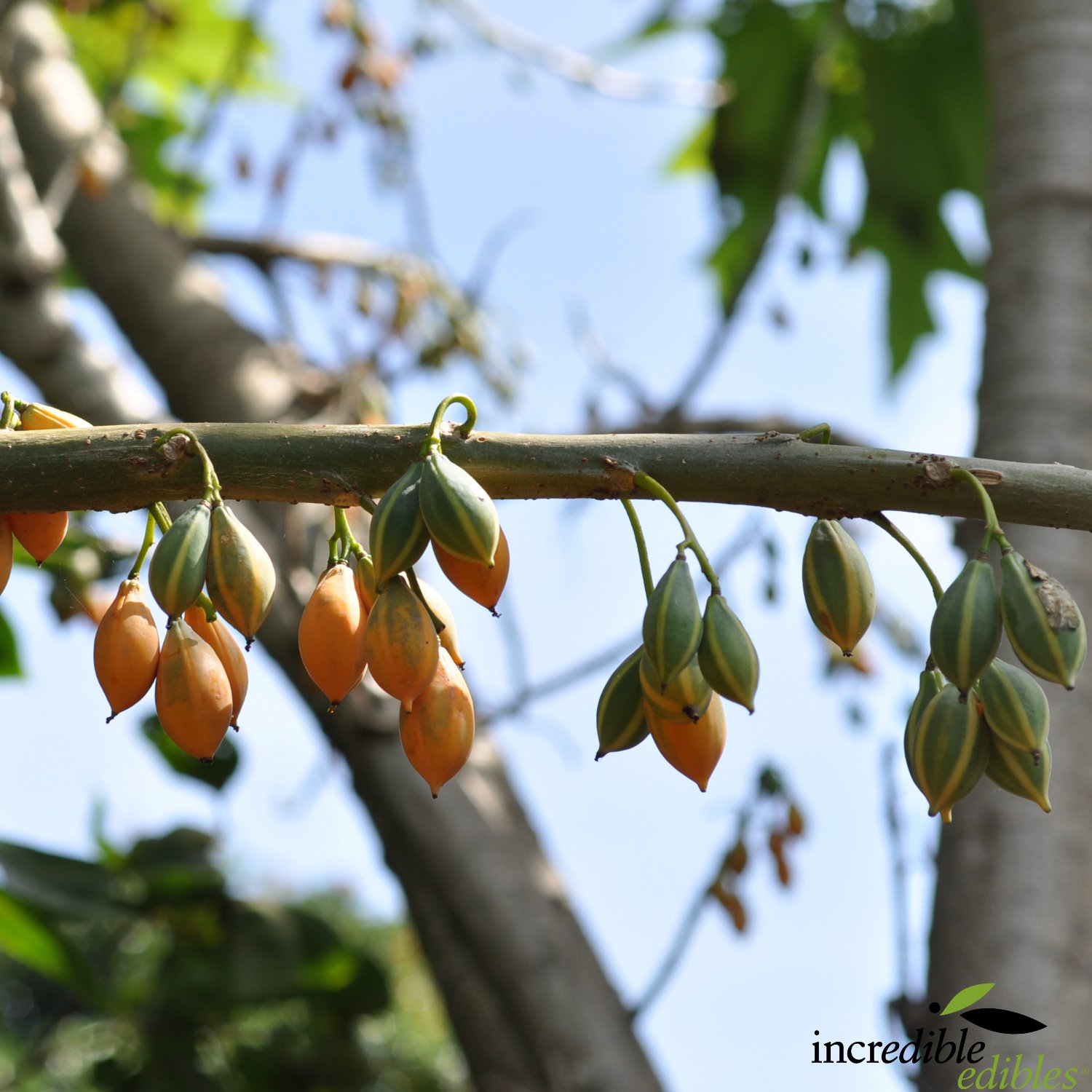
- Japanese Raisin Tree
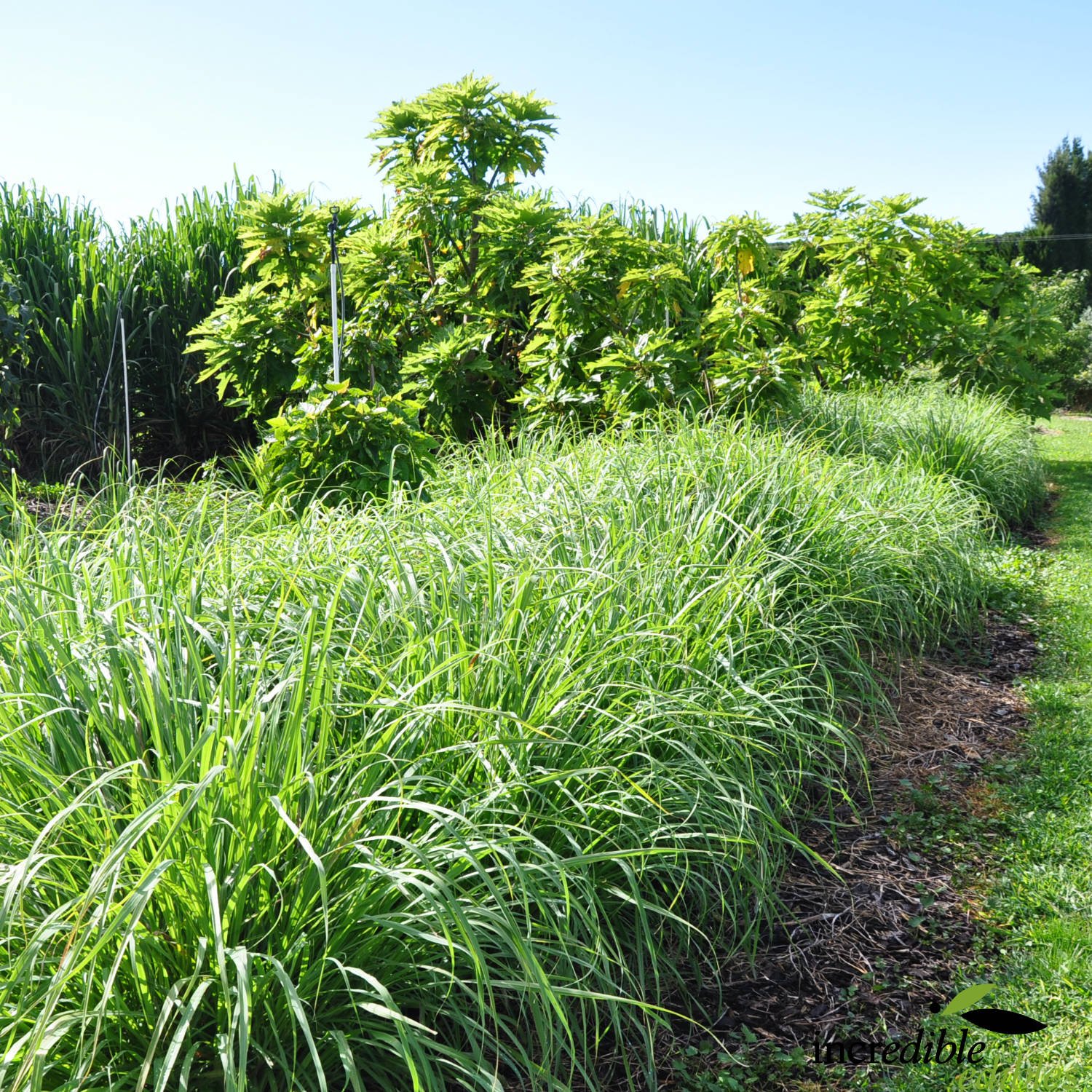
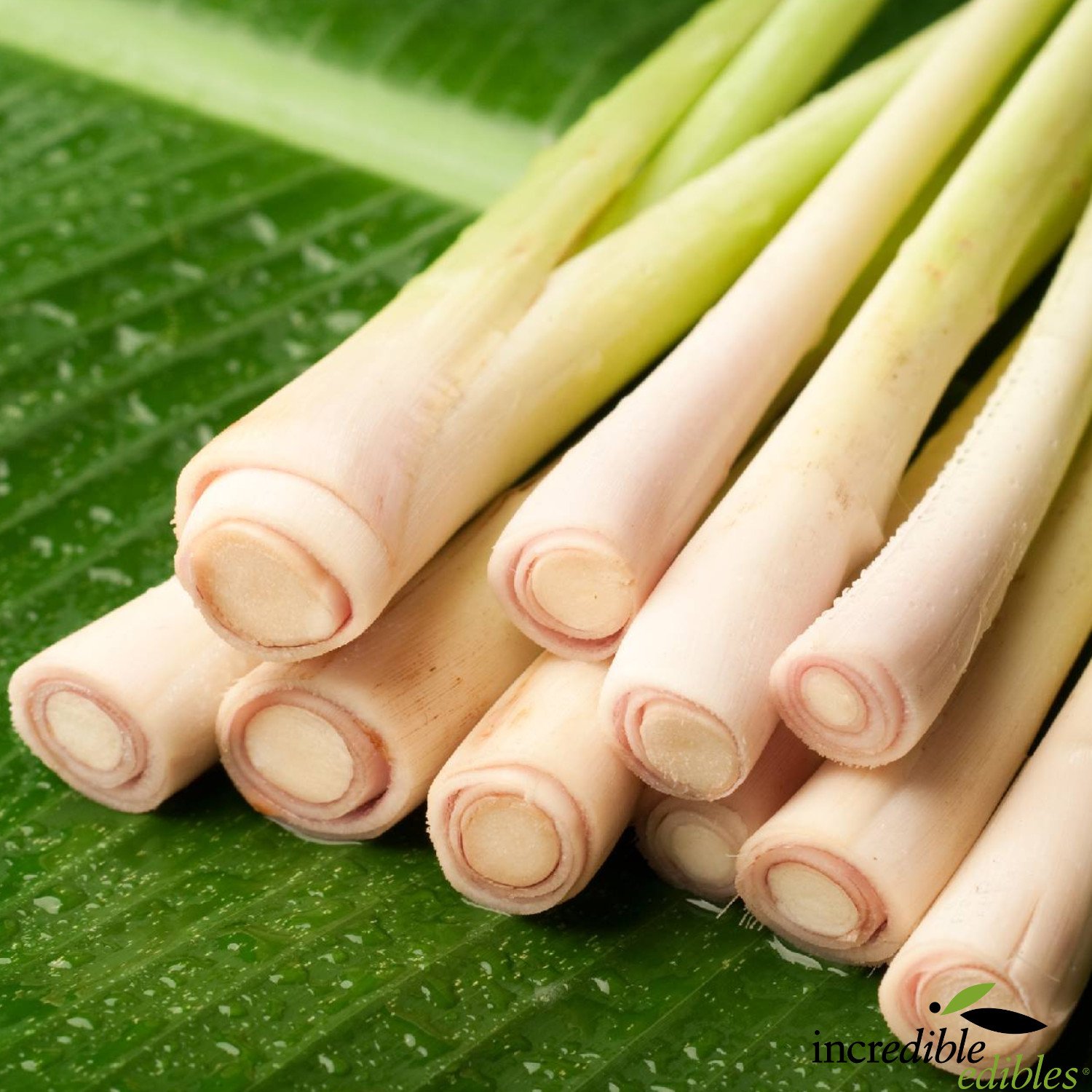
- Lemongrass
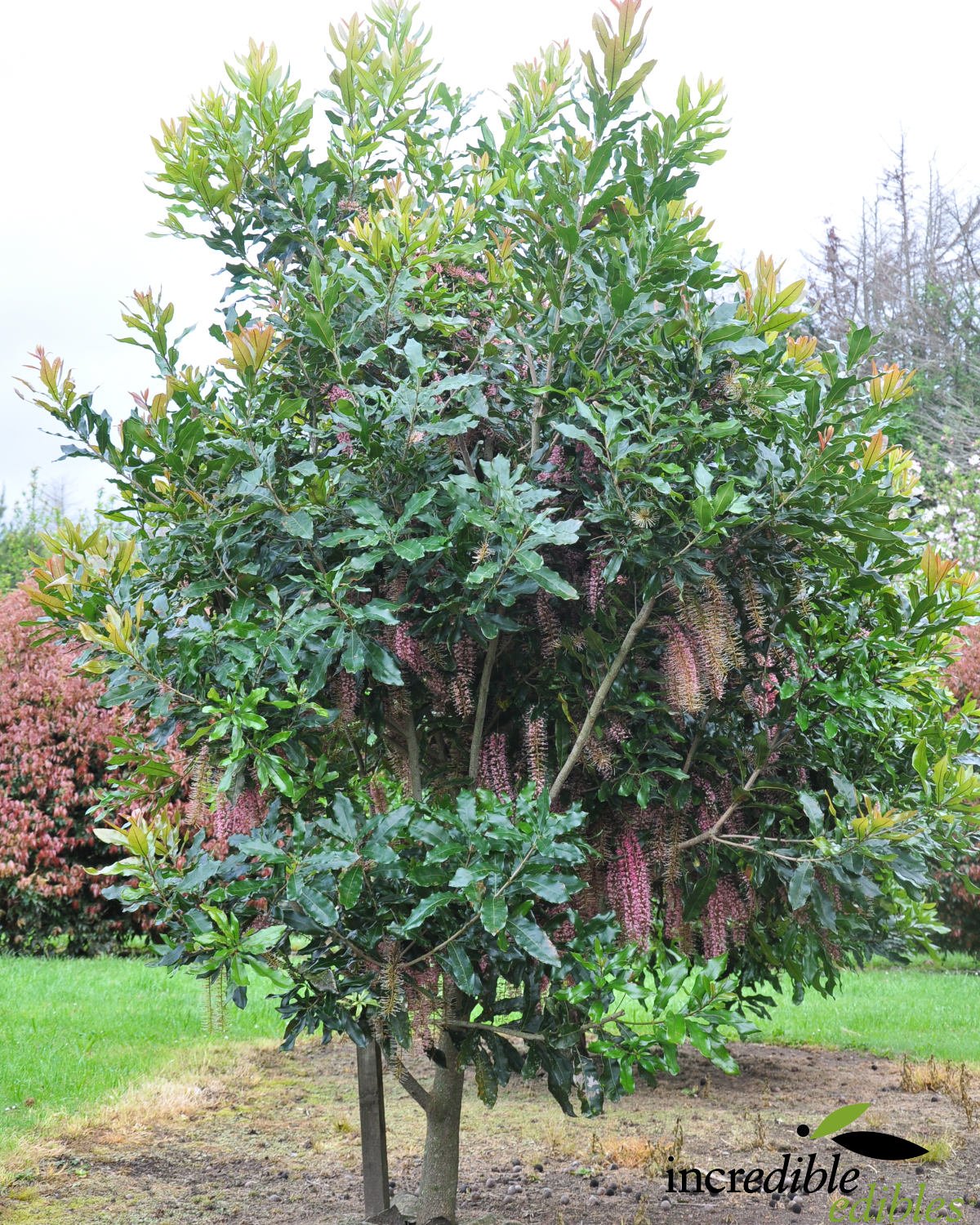
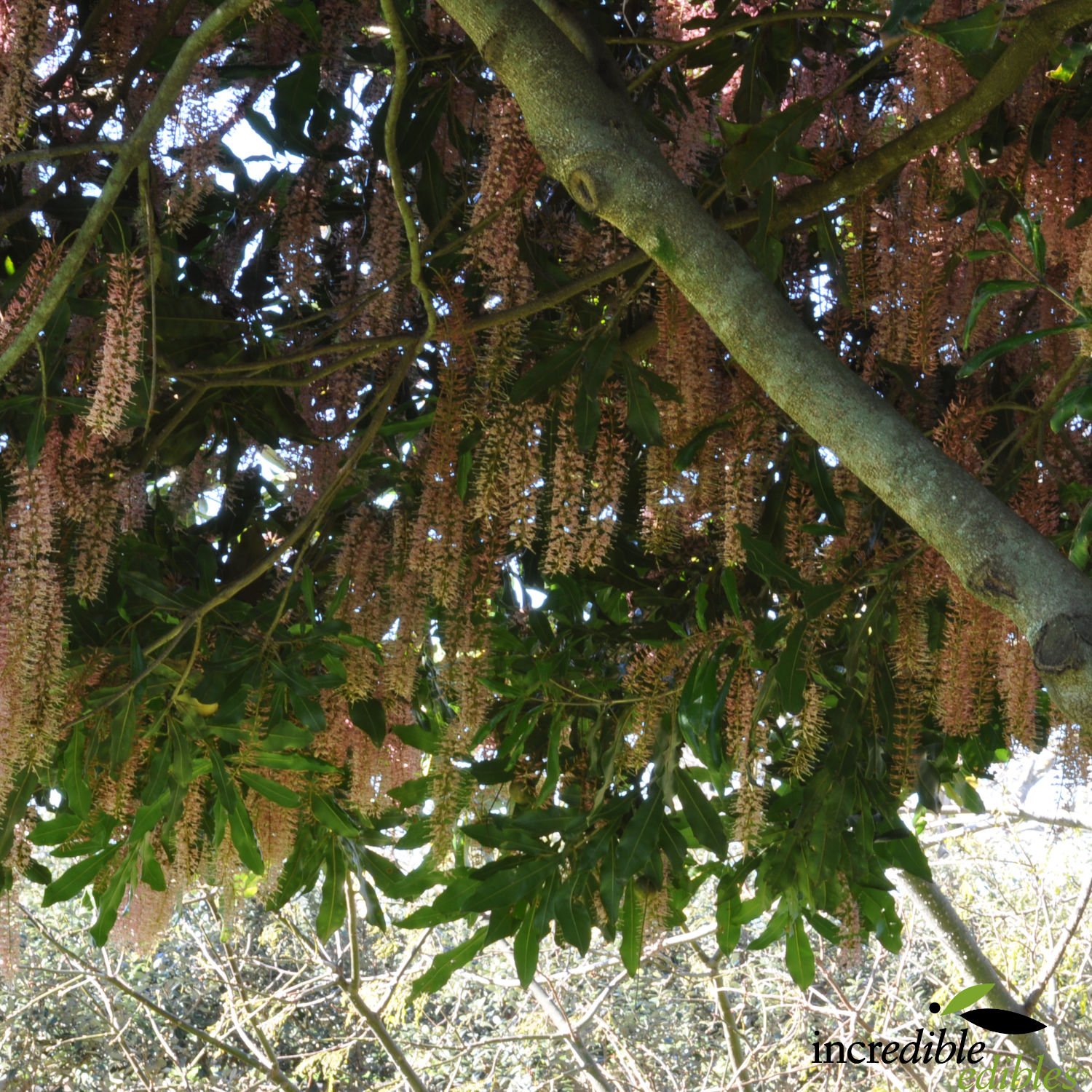
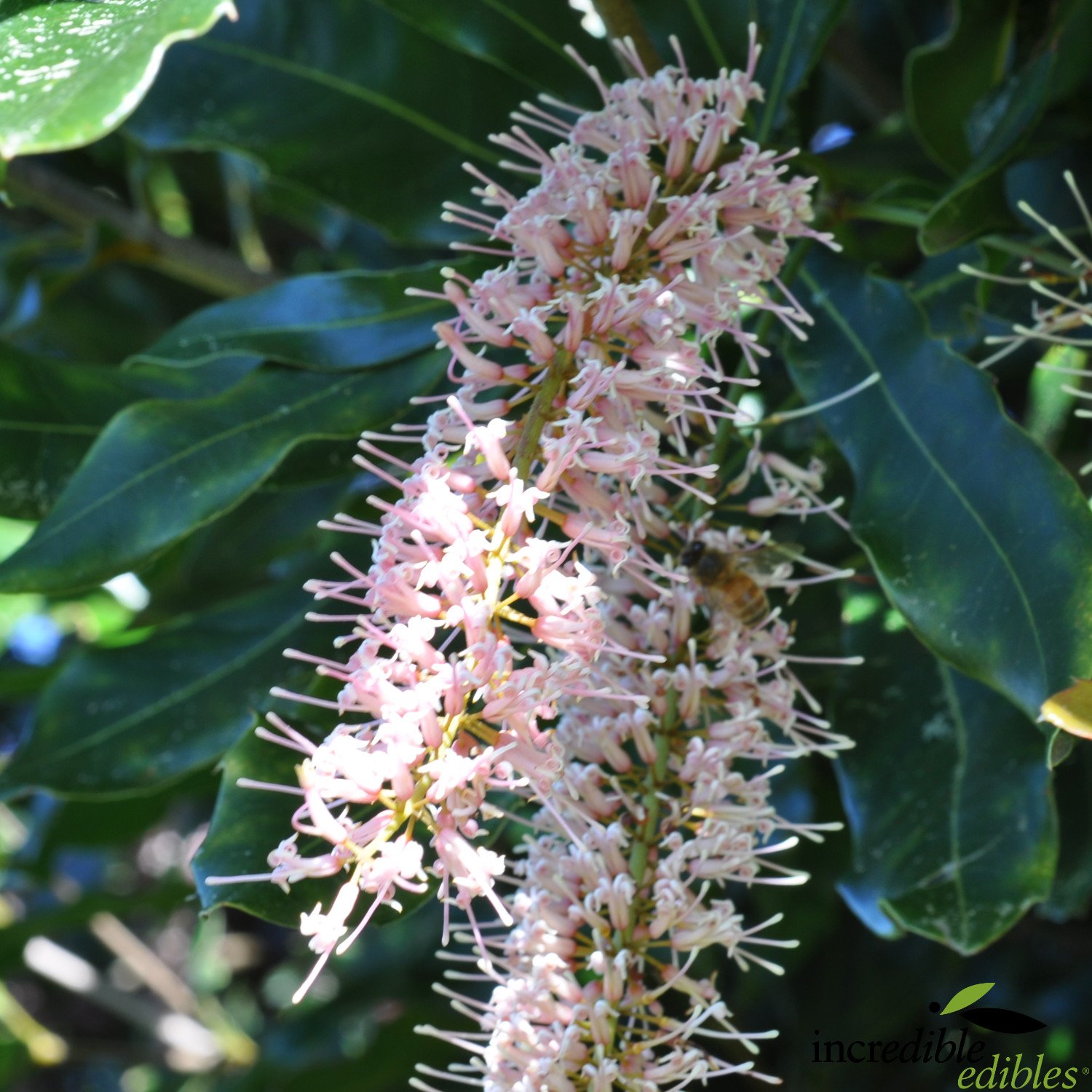
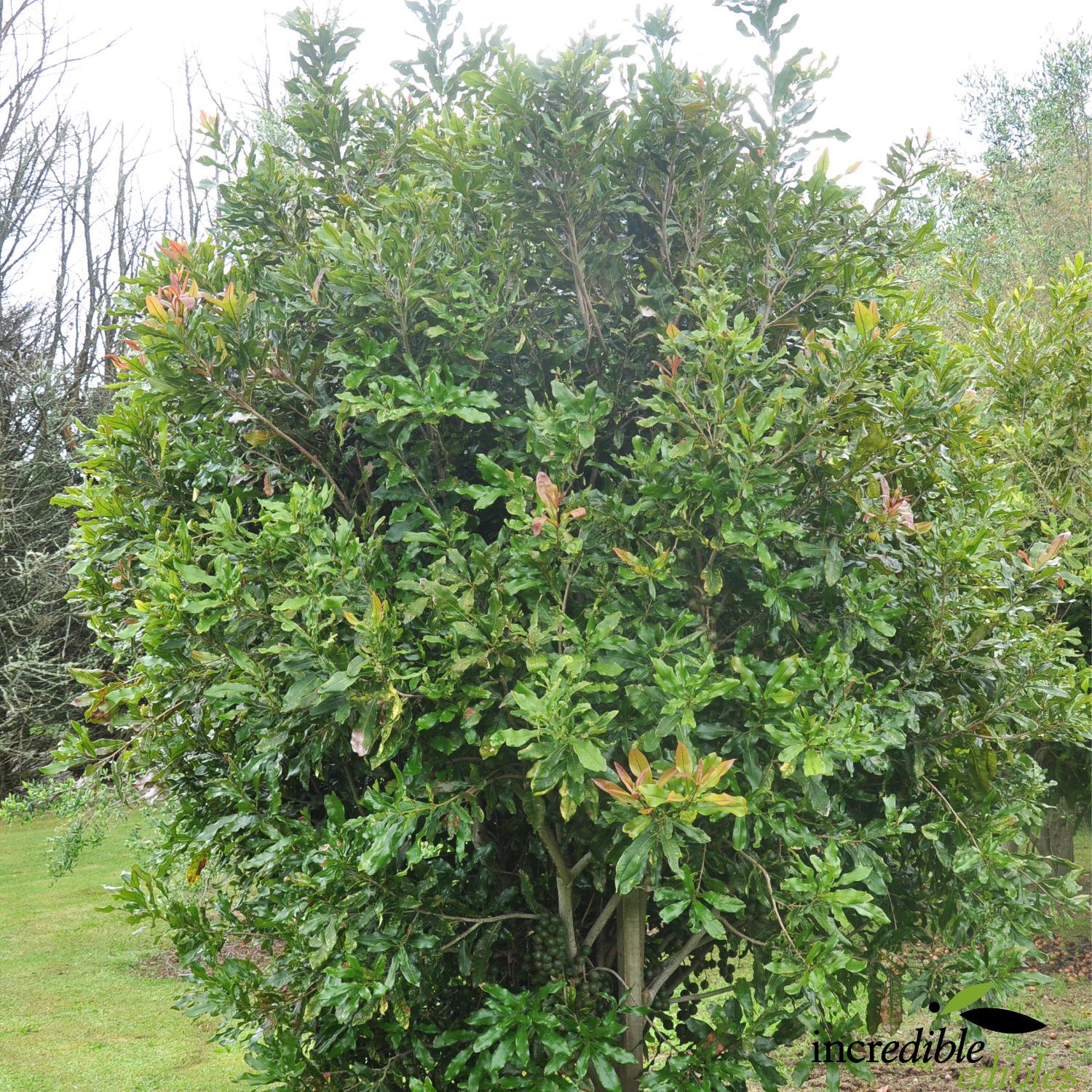
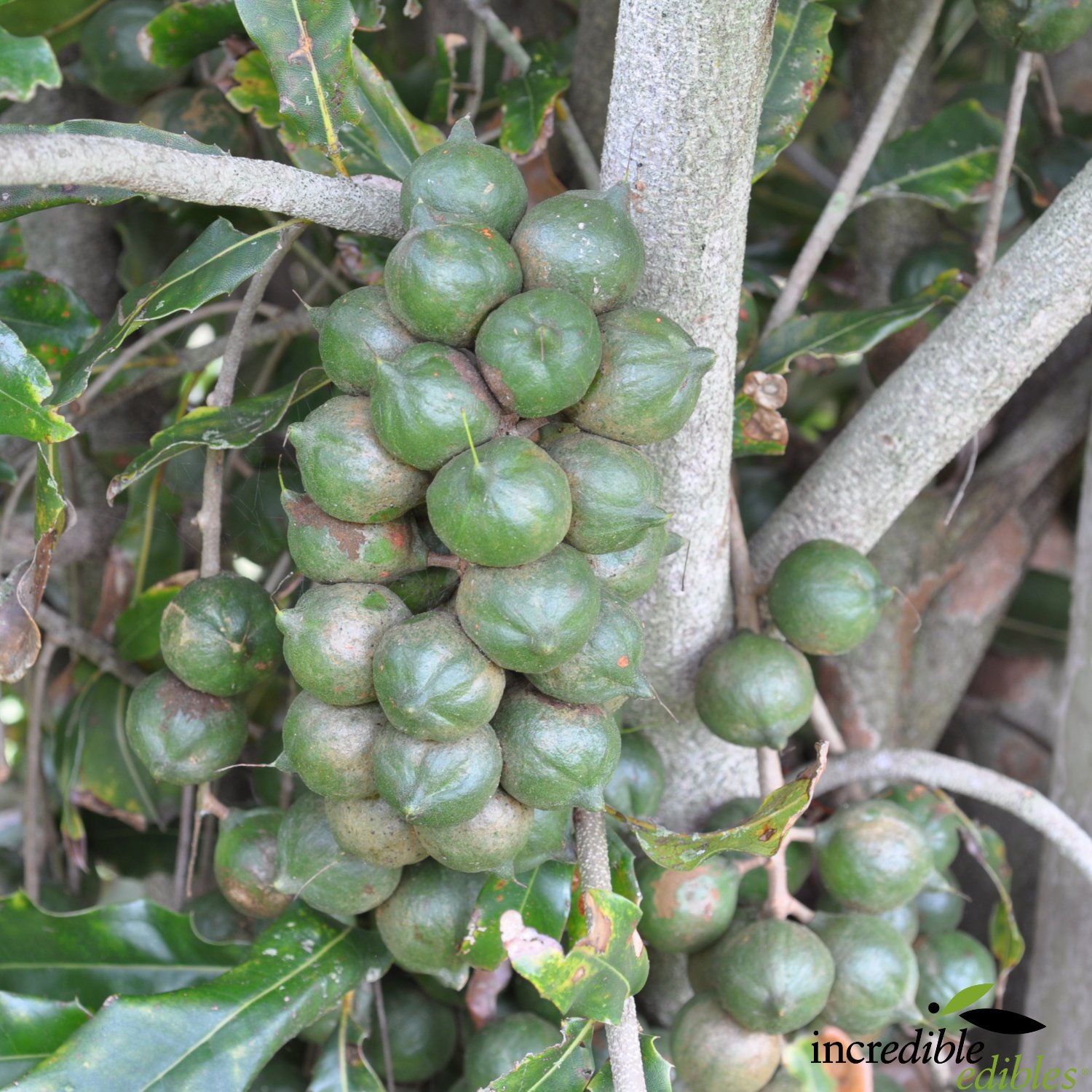
- Macadamia
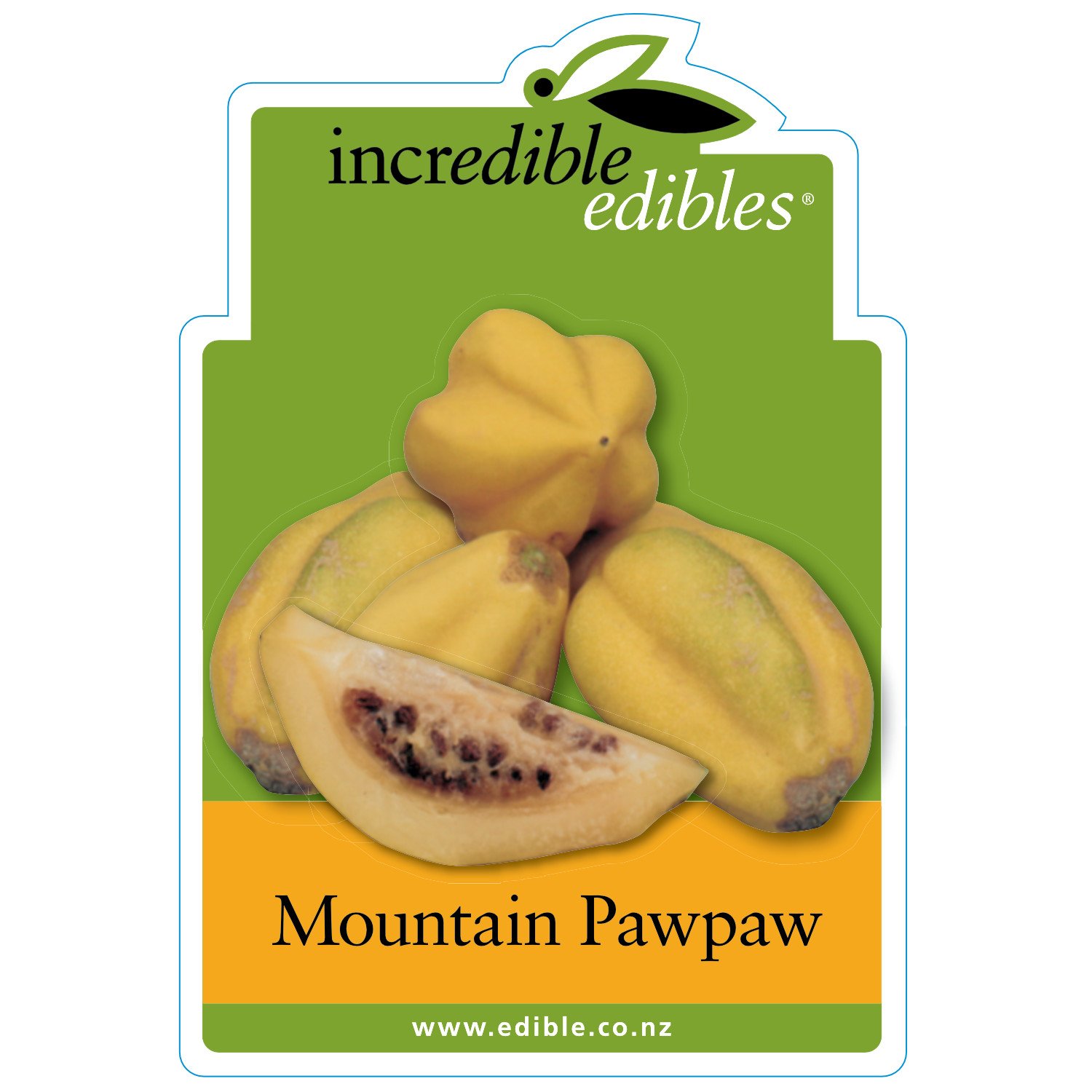
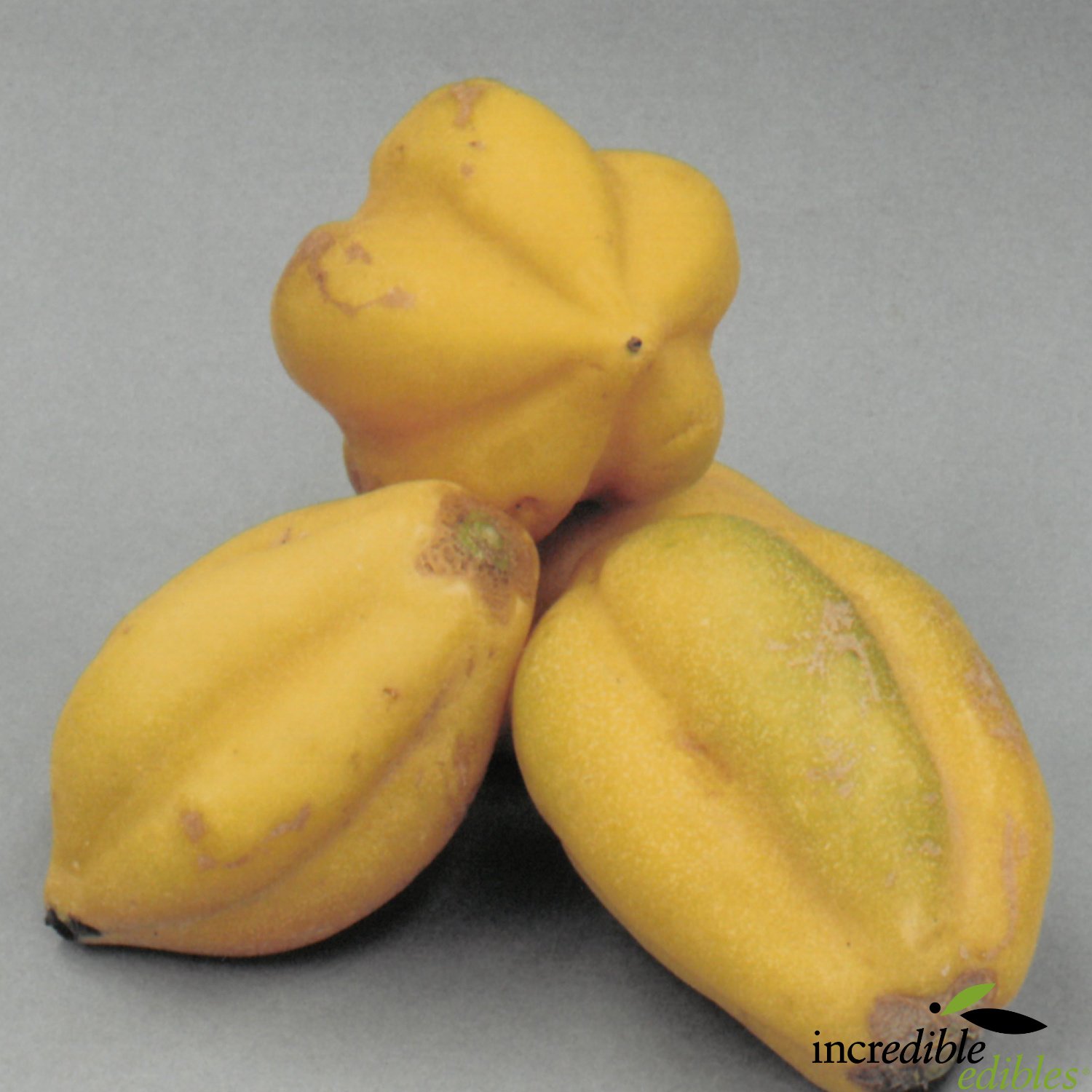
- Mountain Paw Paw
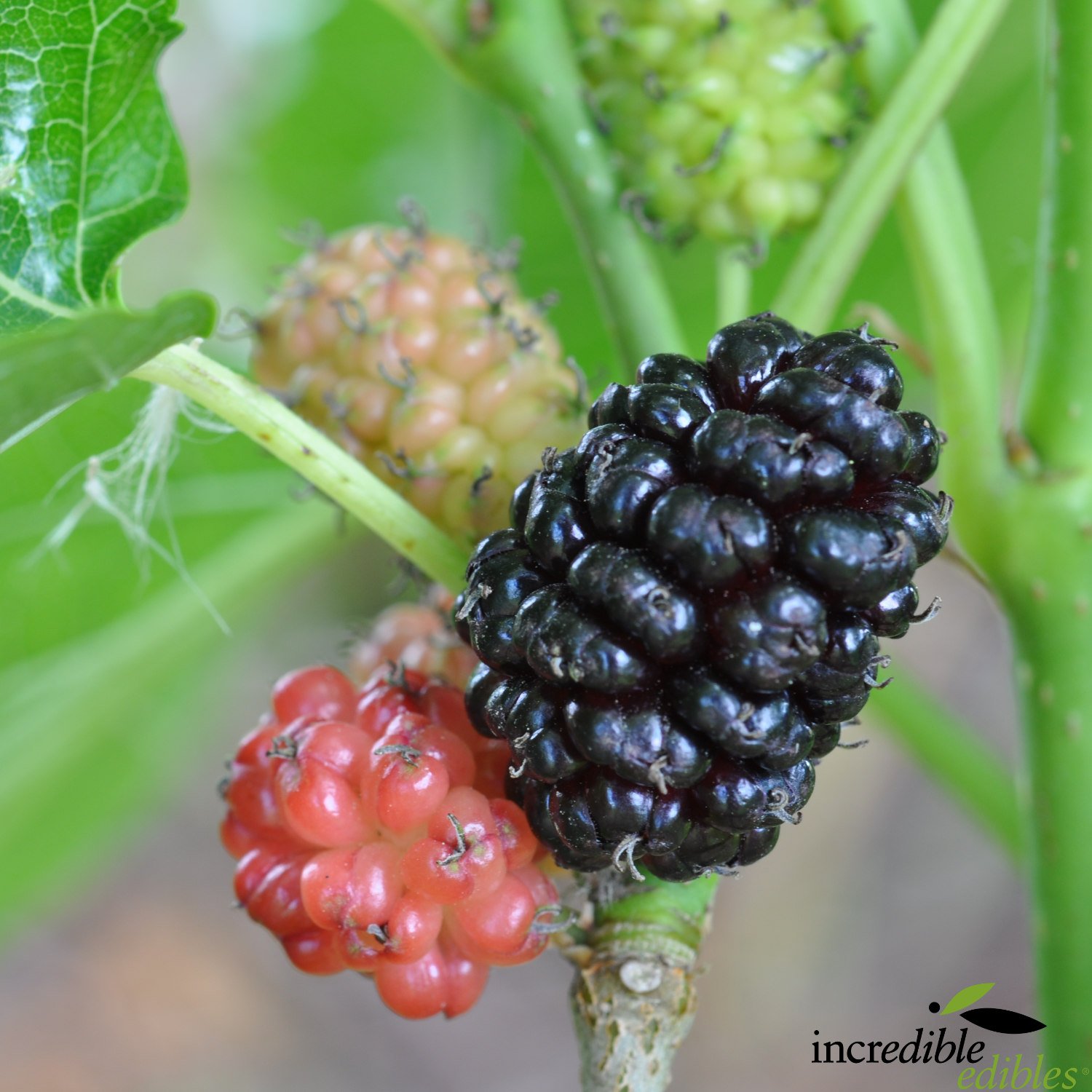
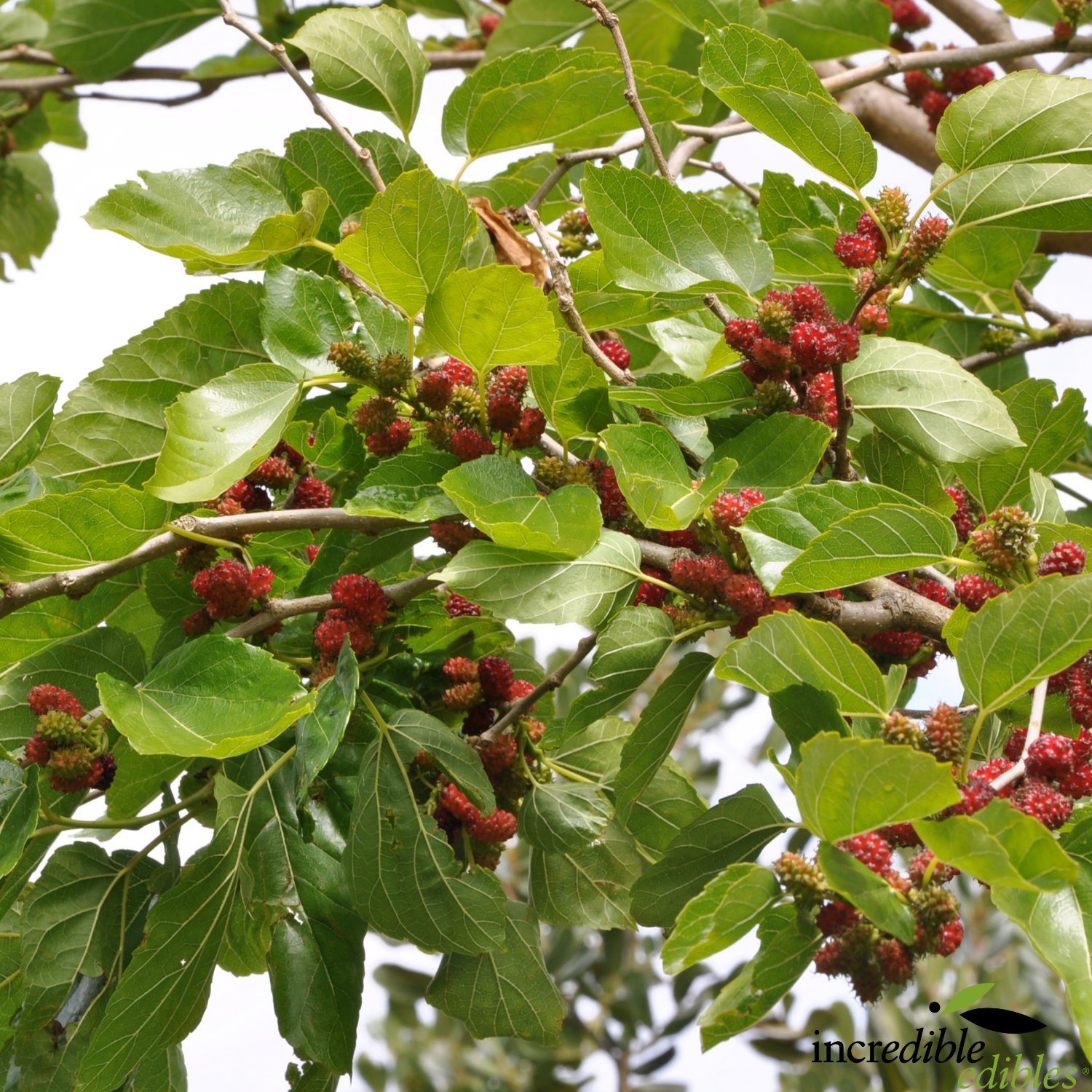
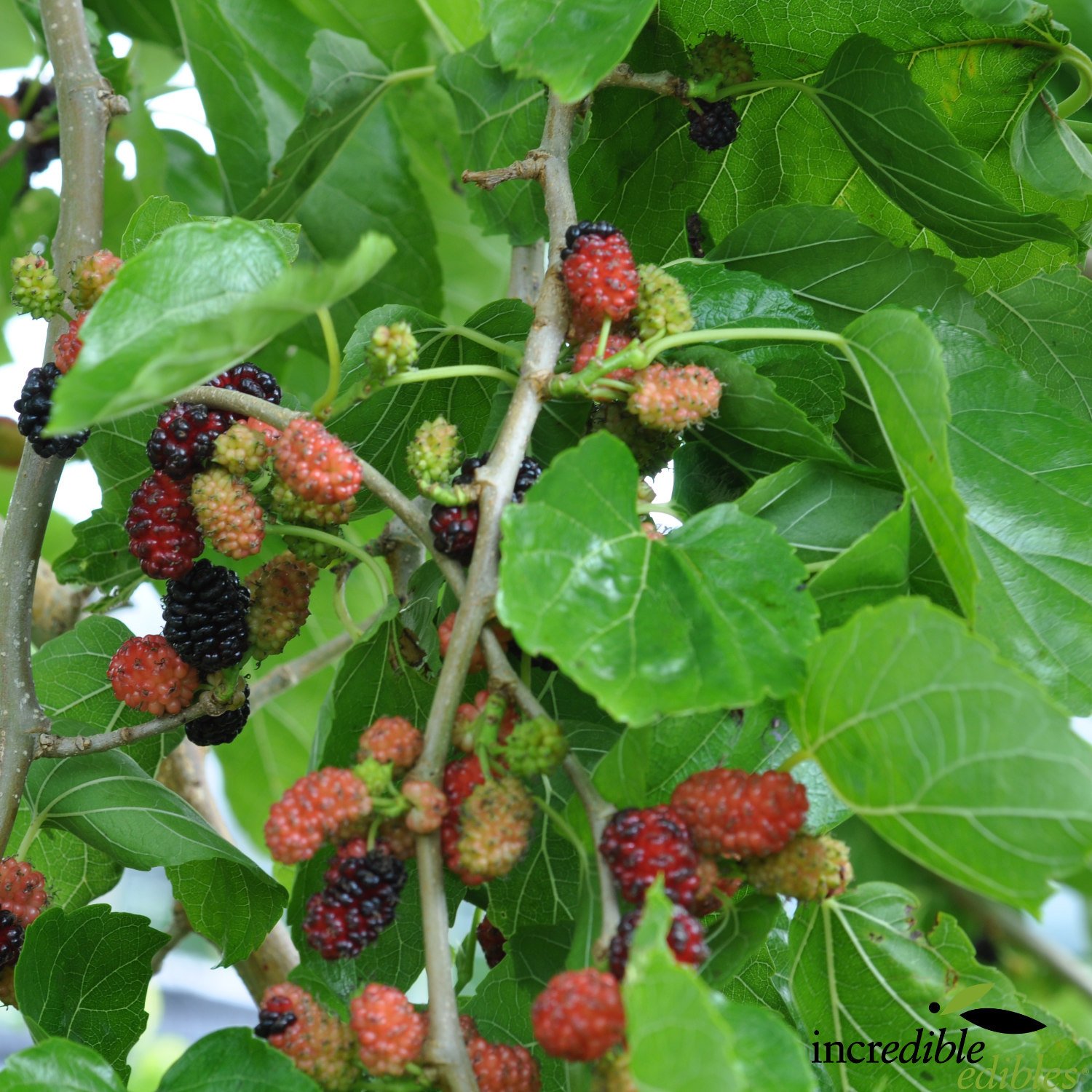
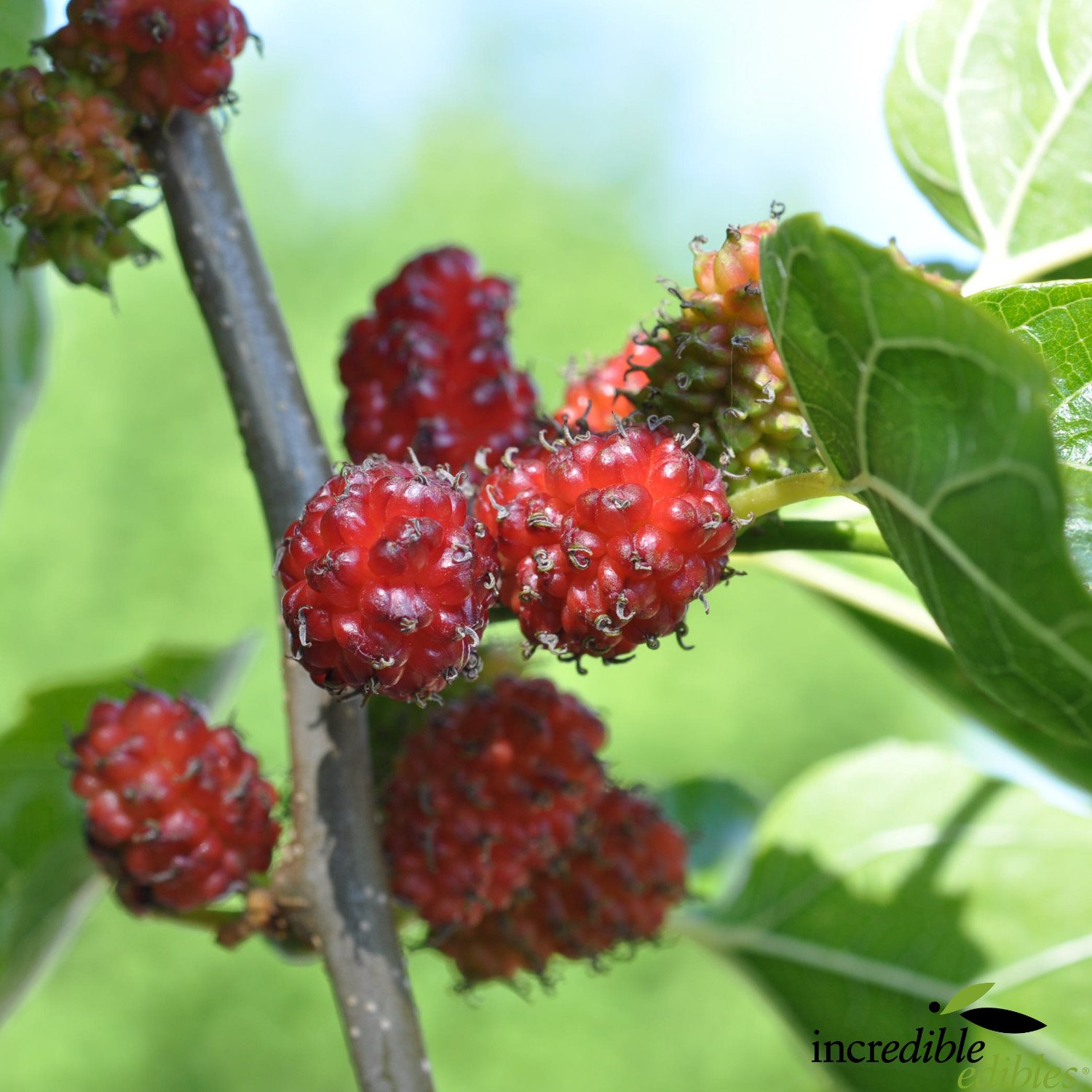
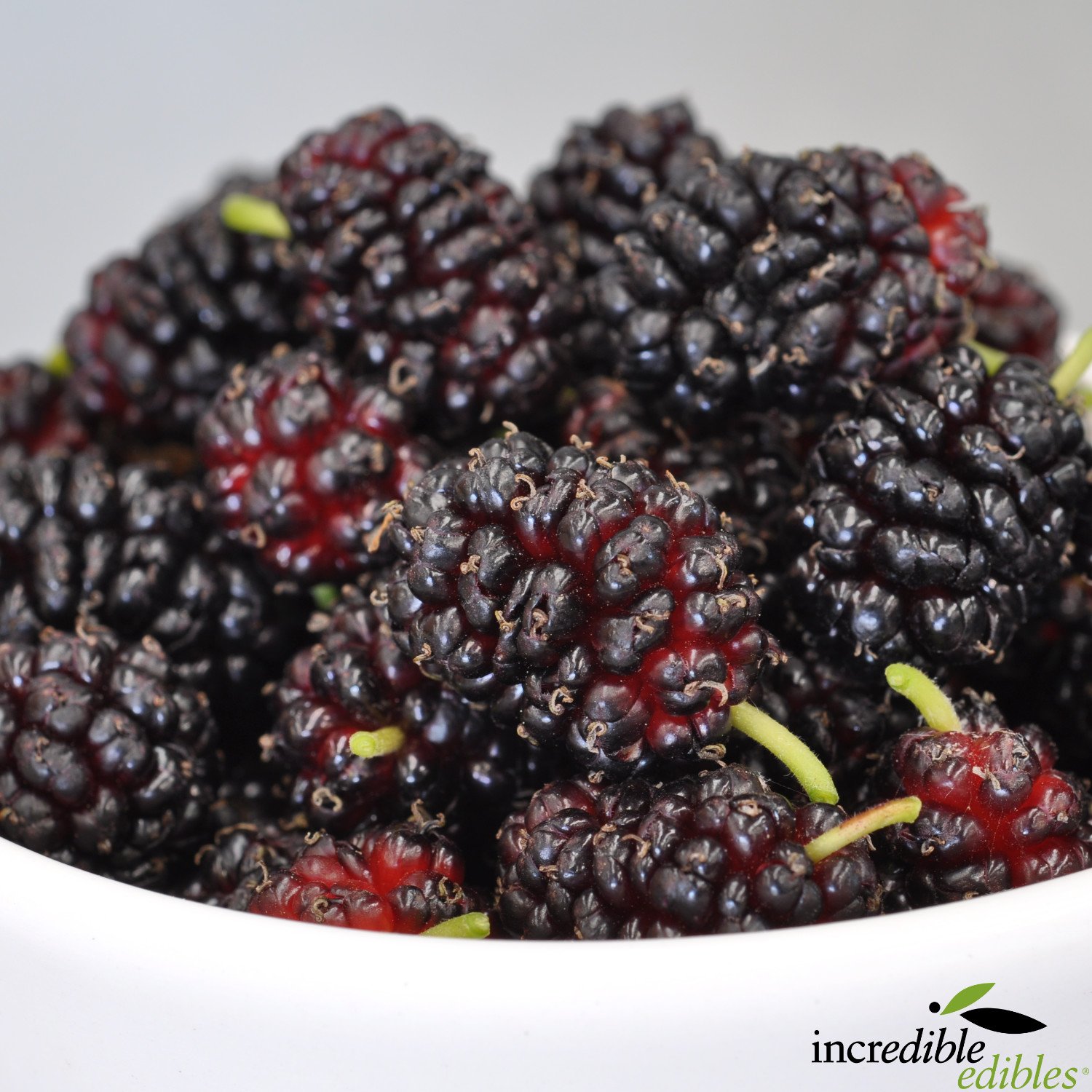
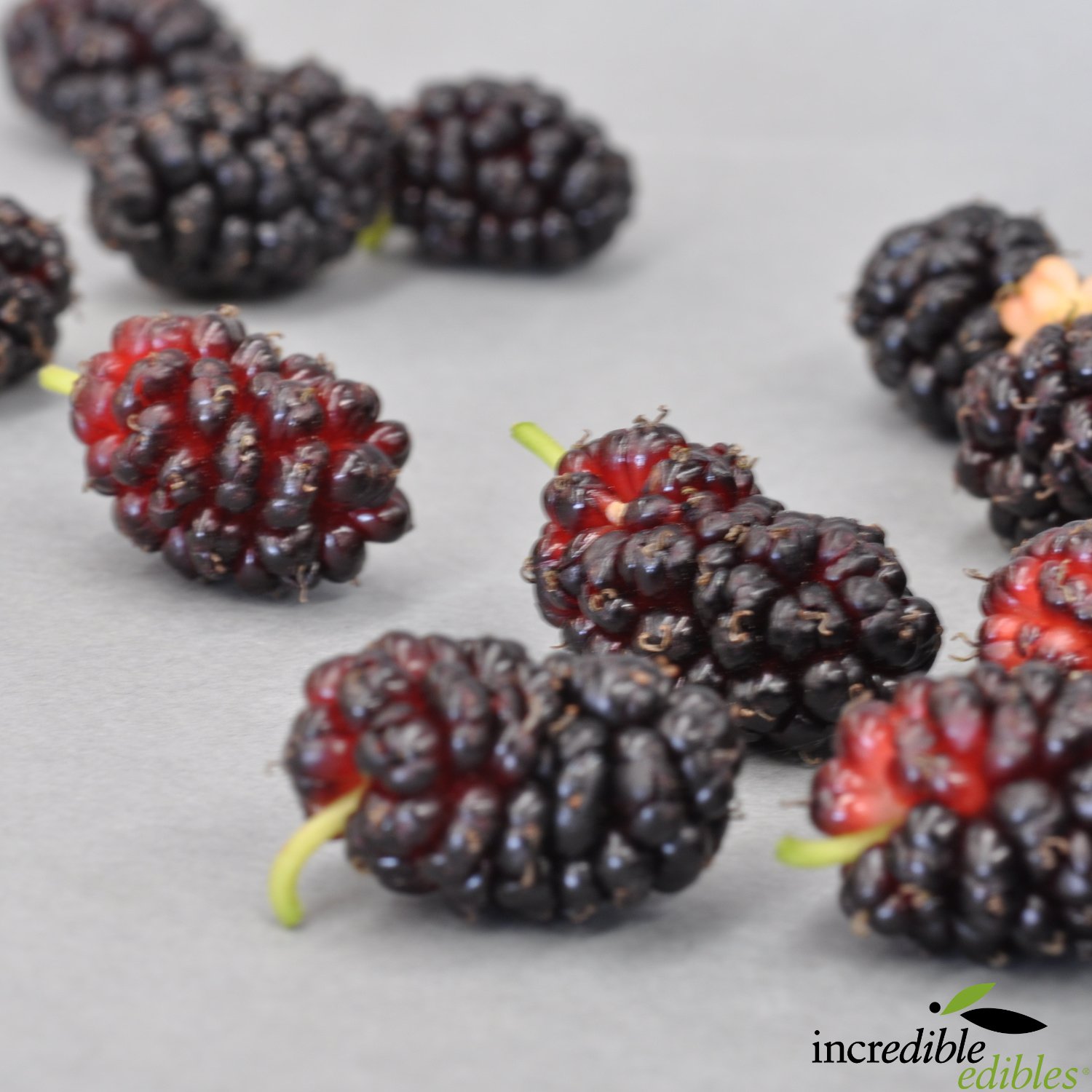
- Mulberry Hicks Early
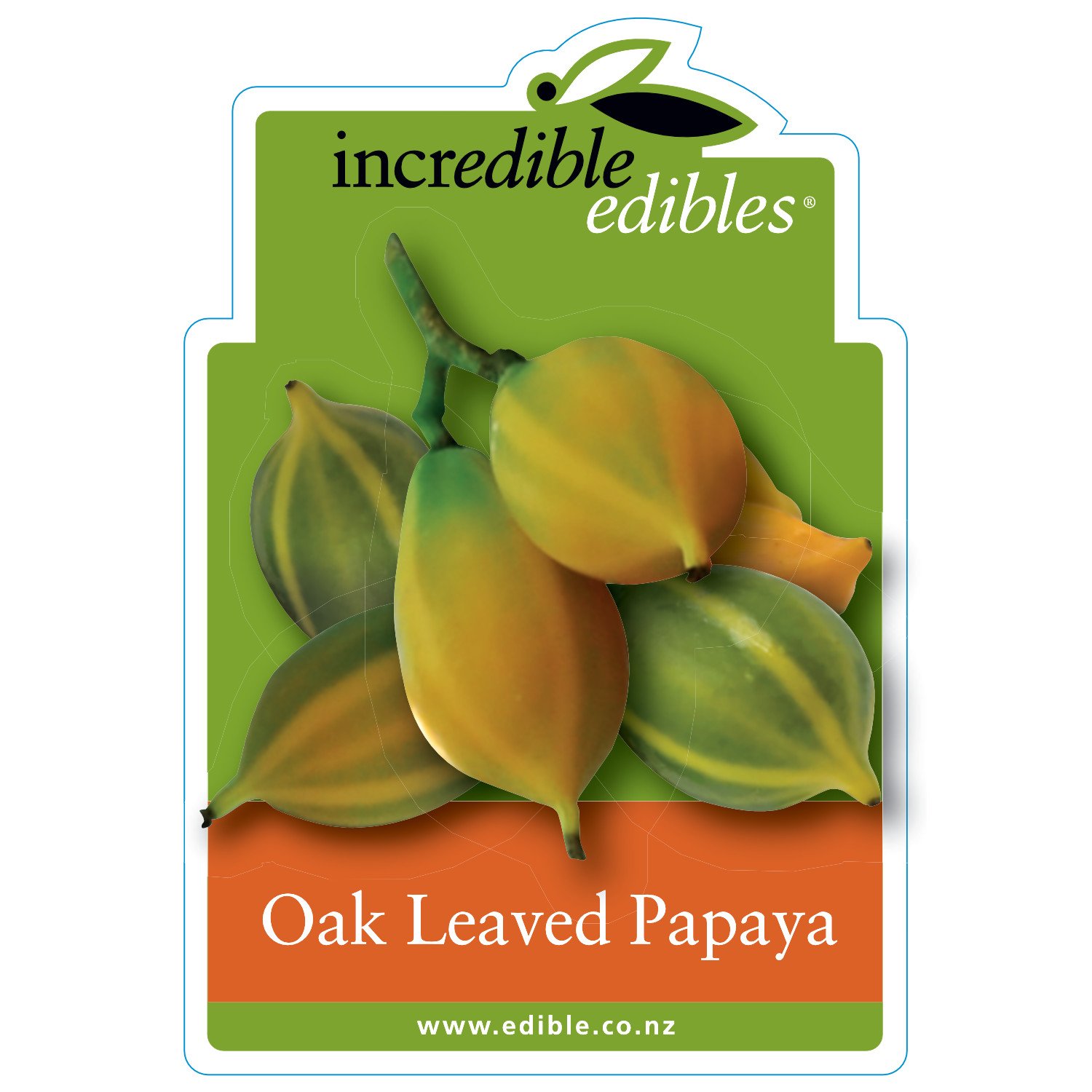
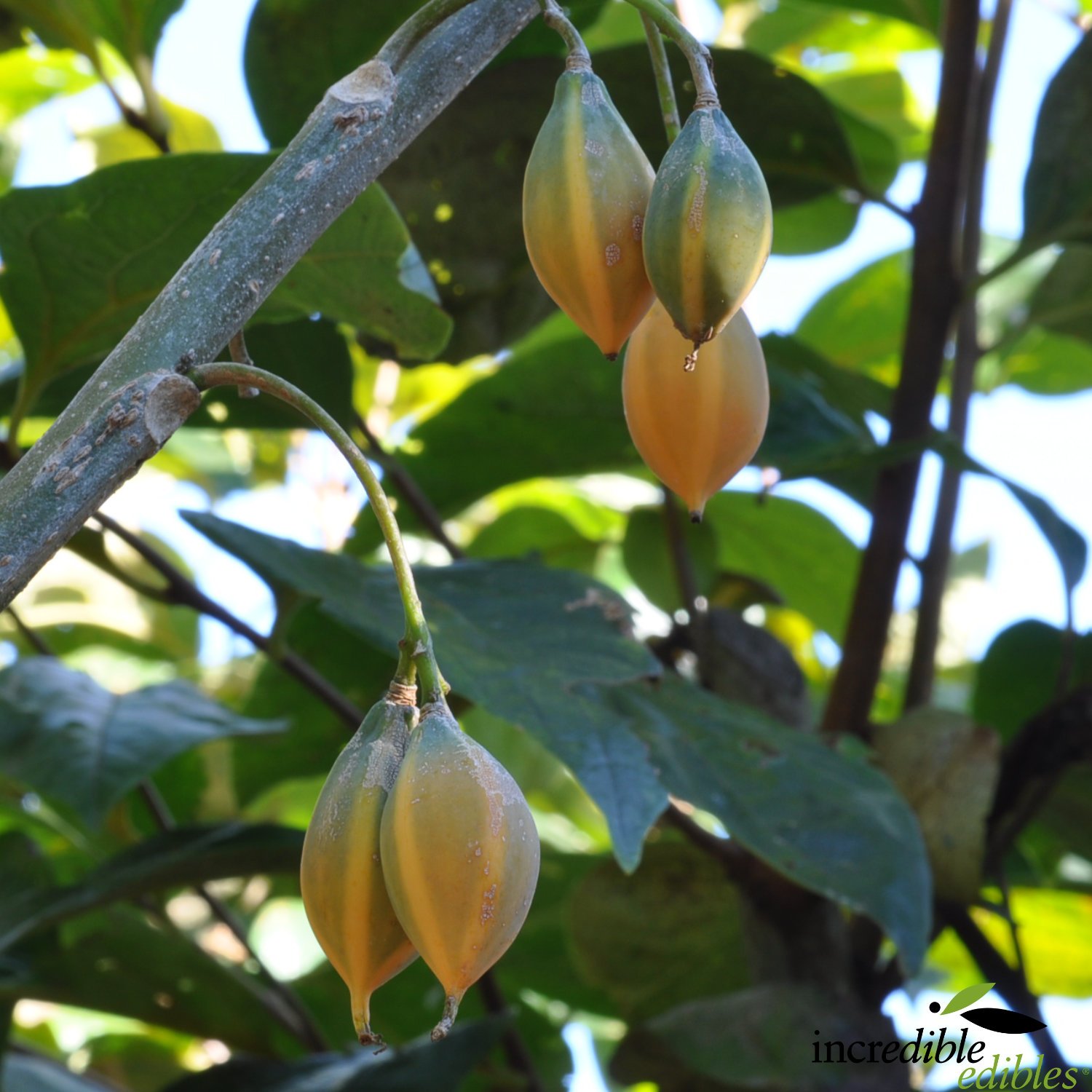
- Oak Leaved Papaya
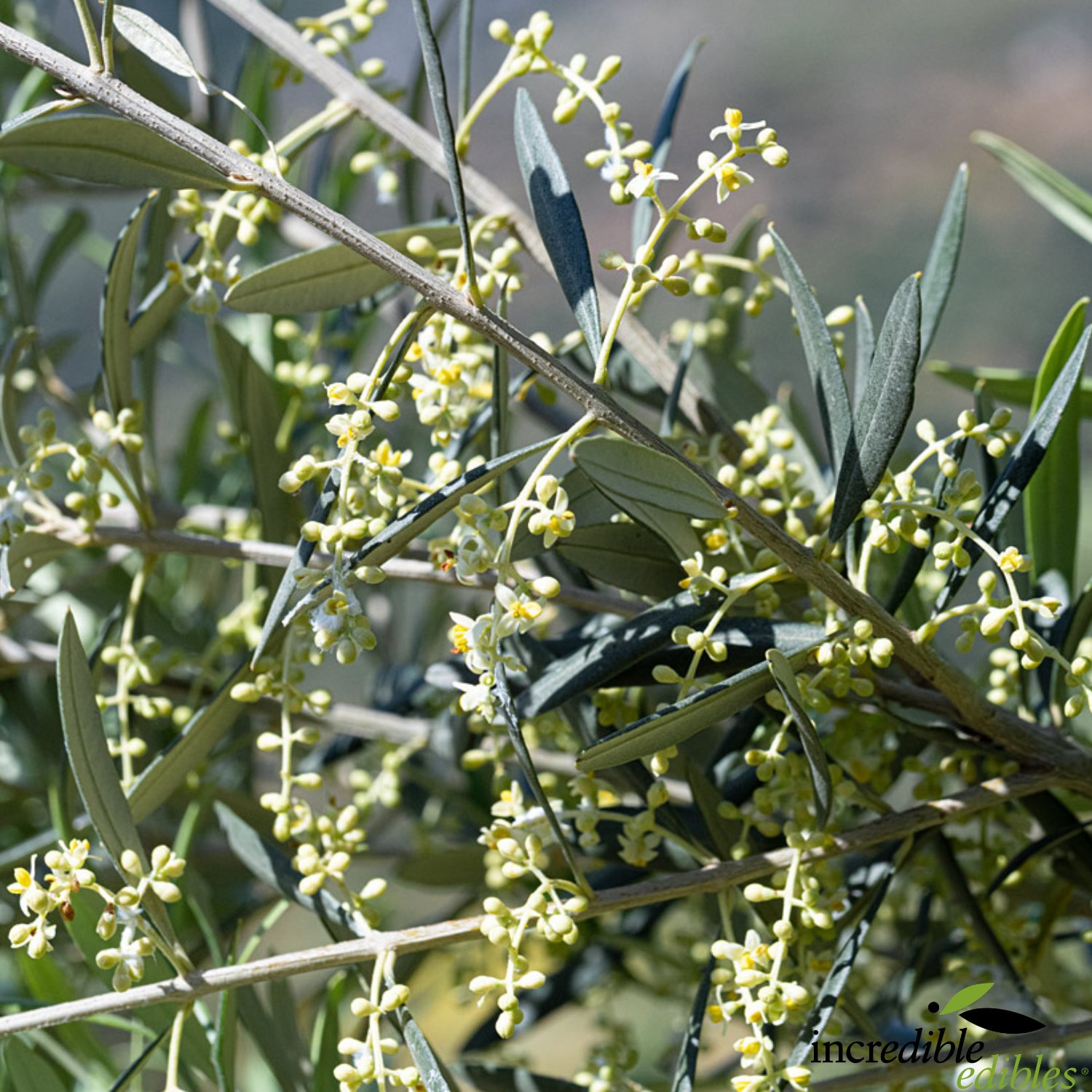
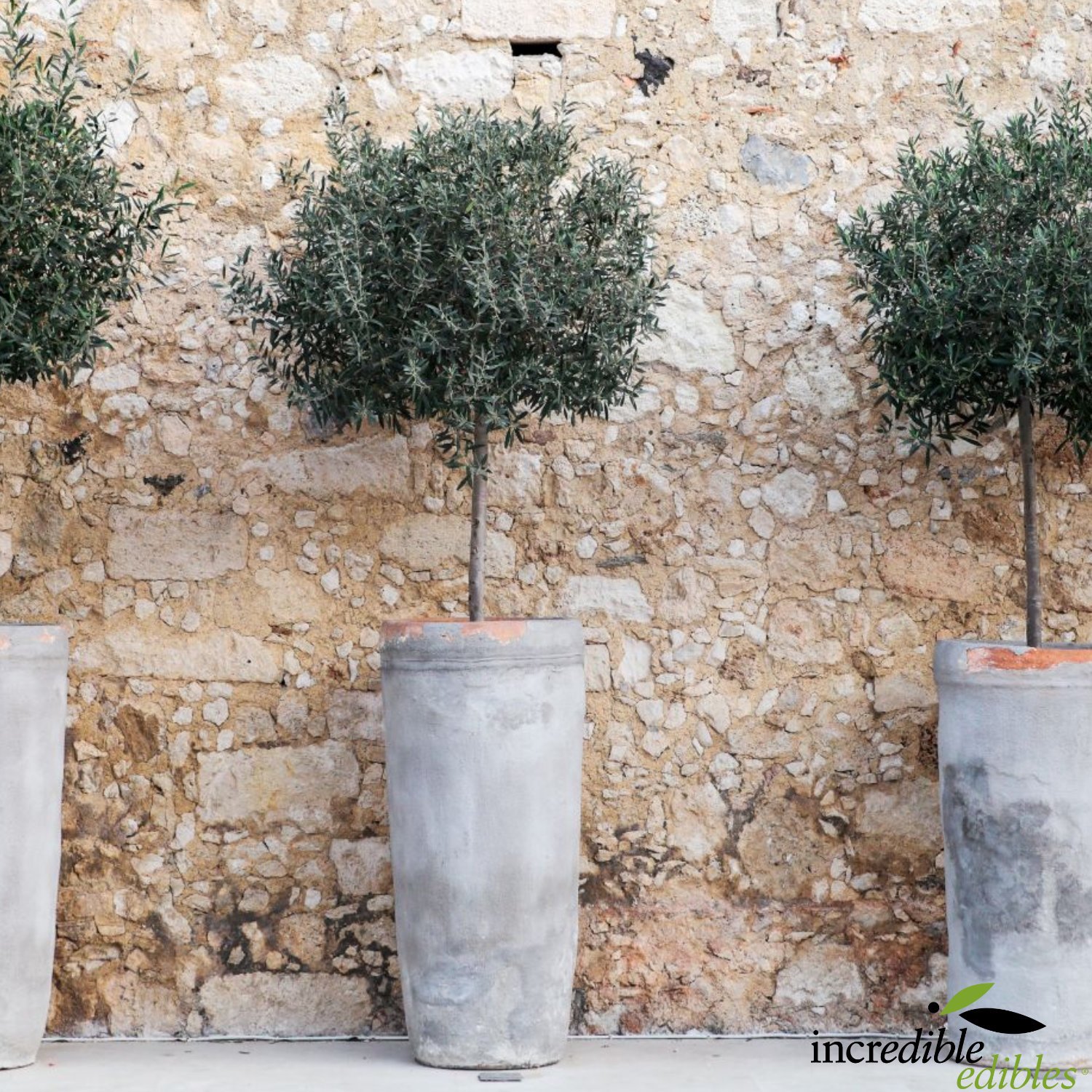
- Olives
- Orangeberry
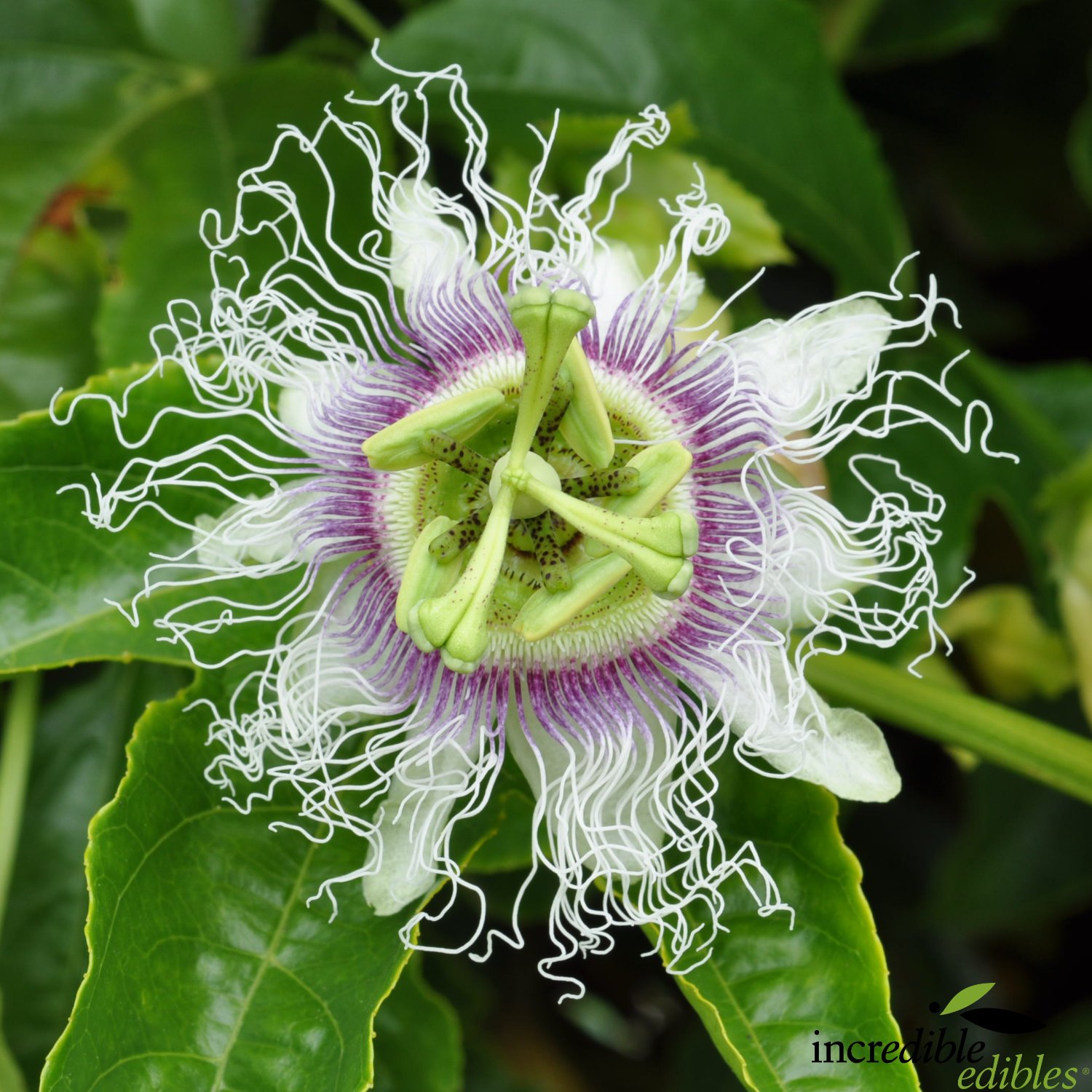
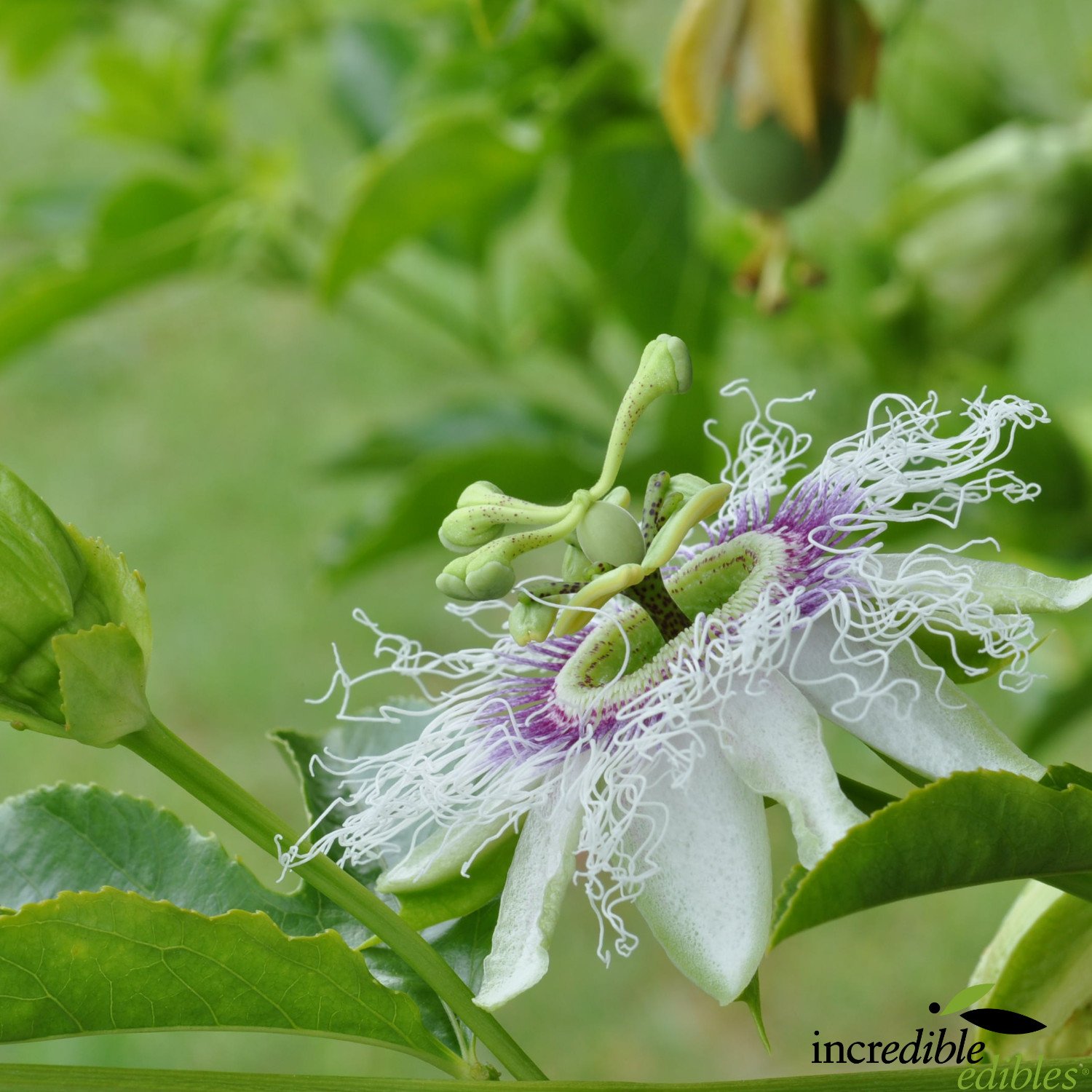
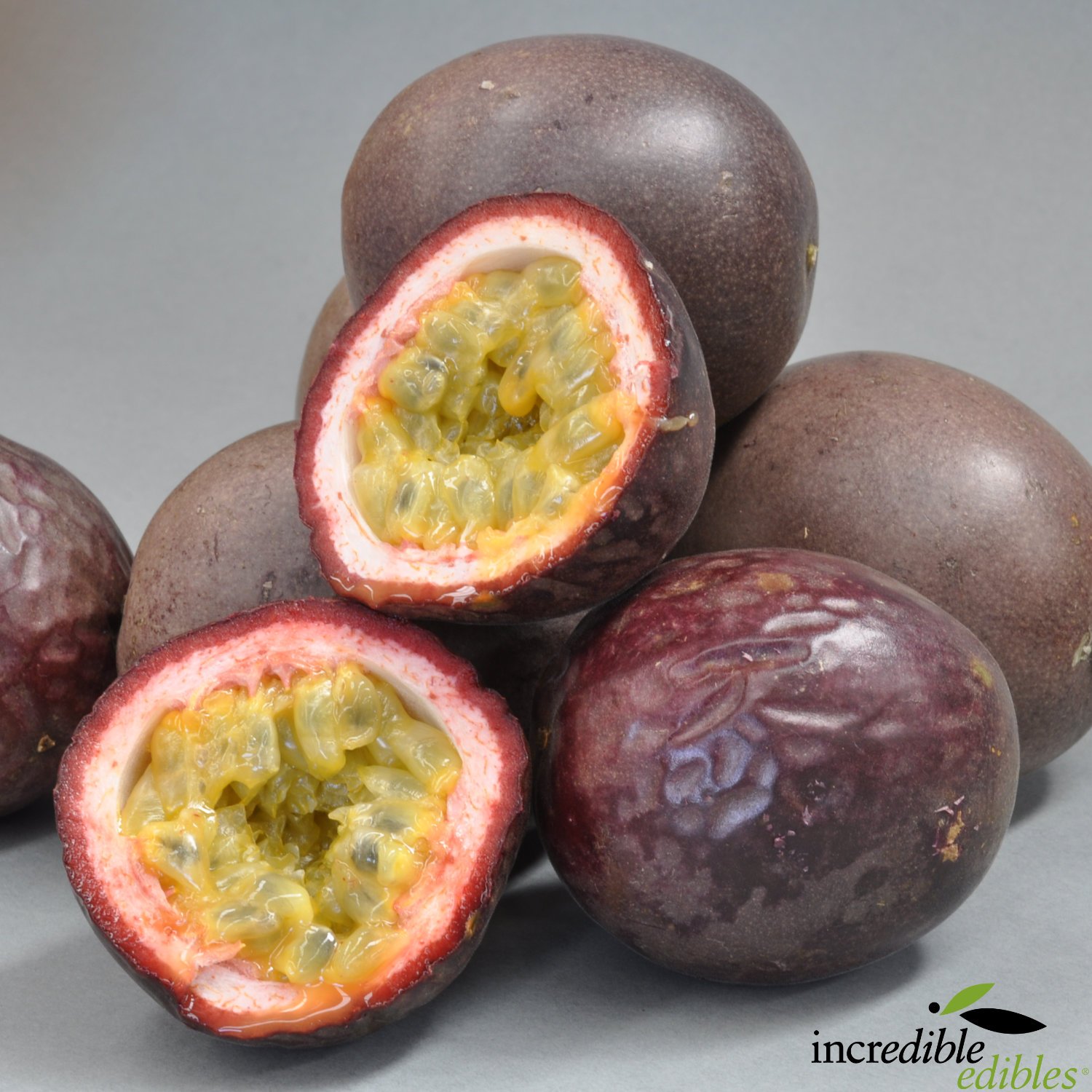
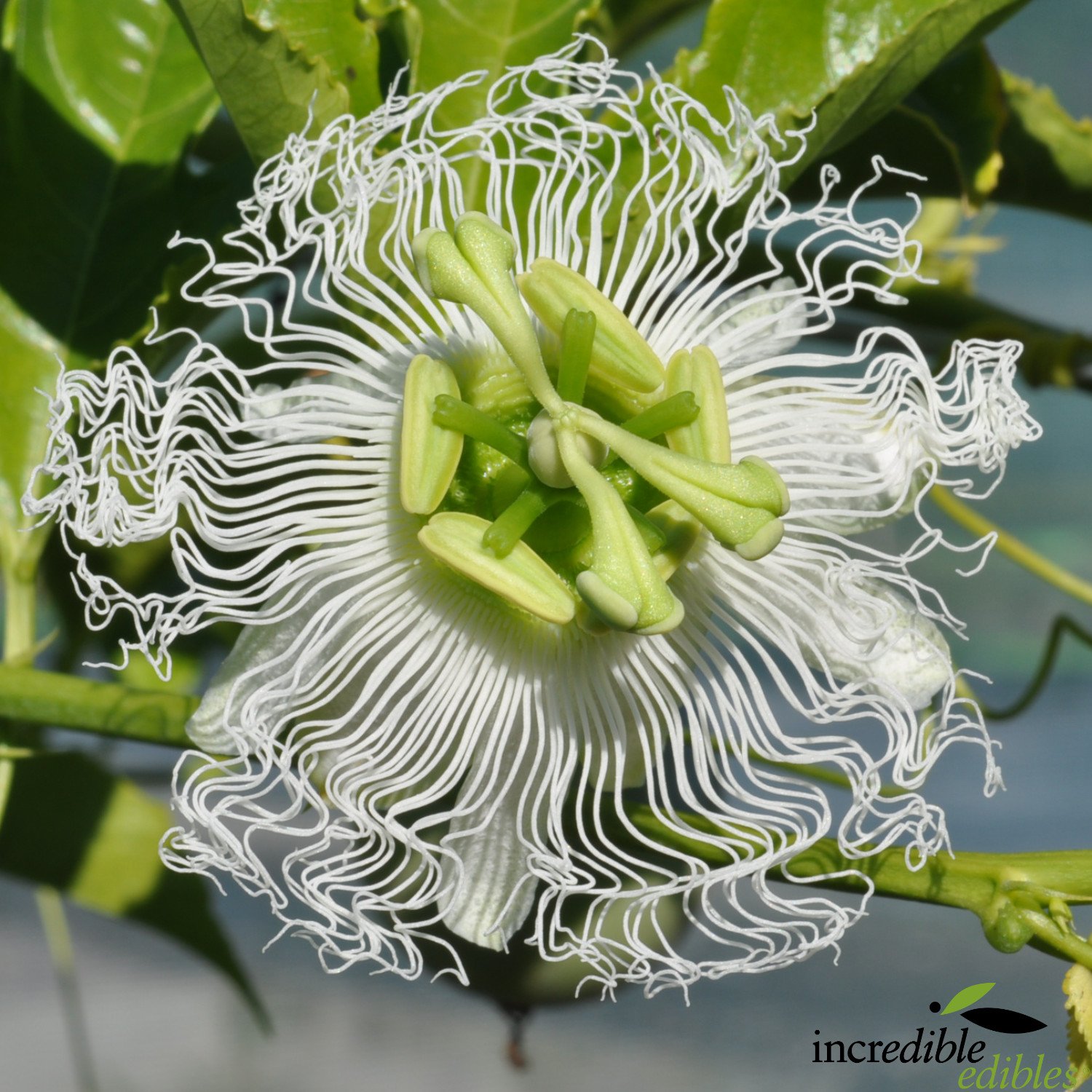
- Passionfruit
- Peanut
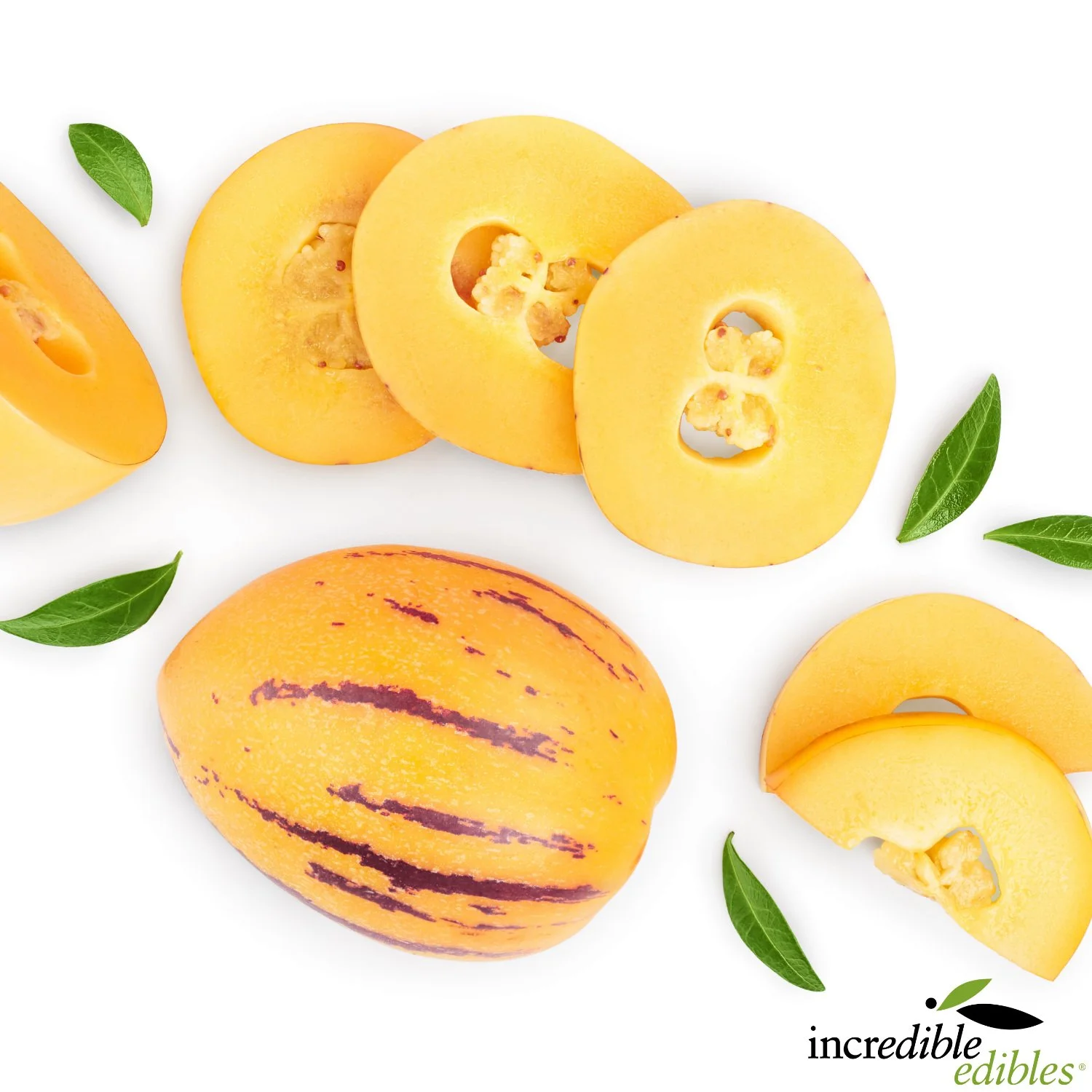
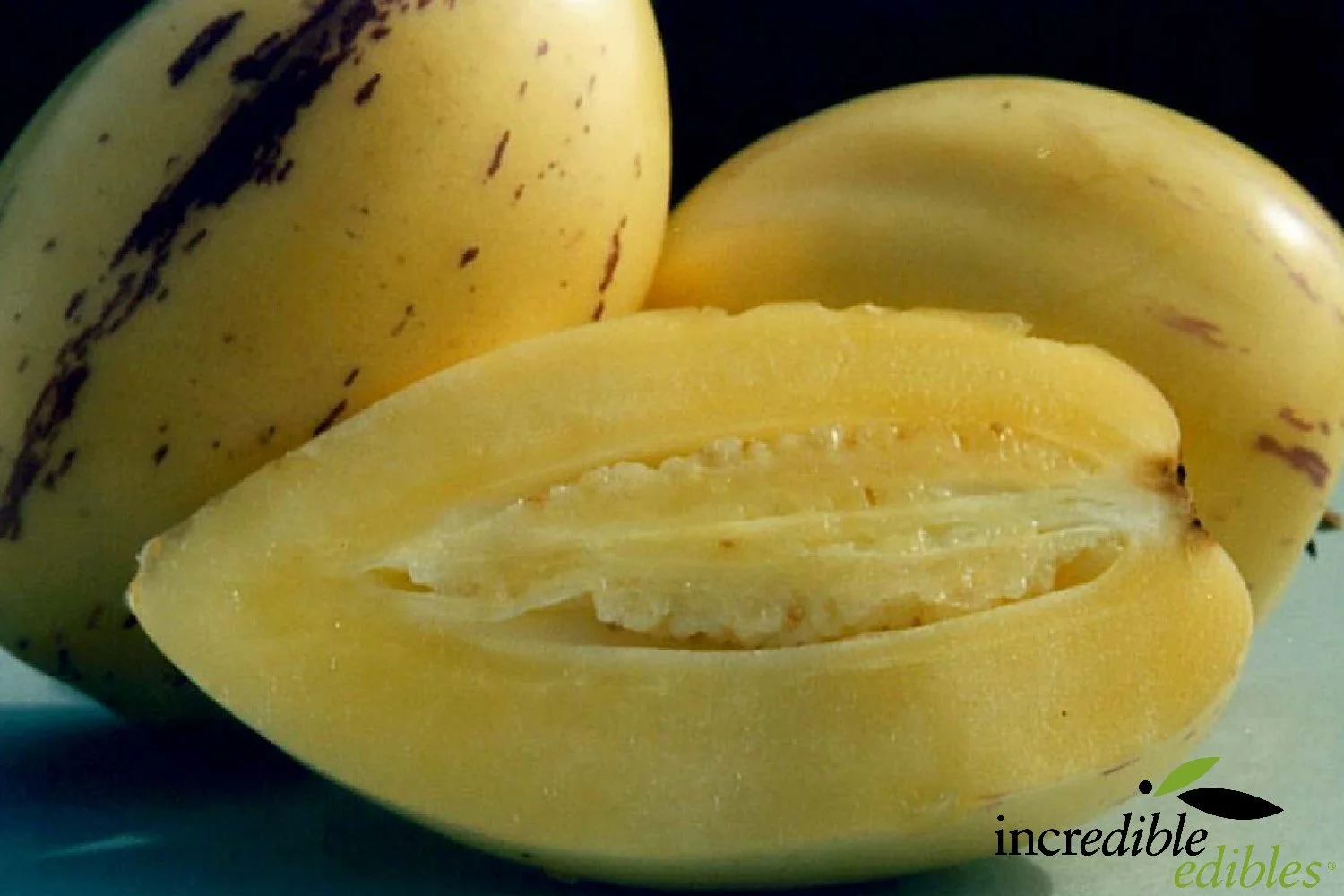
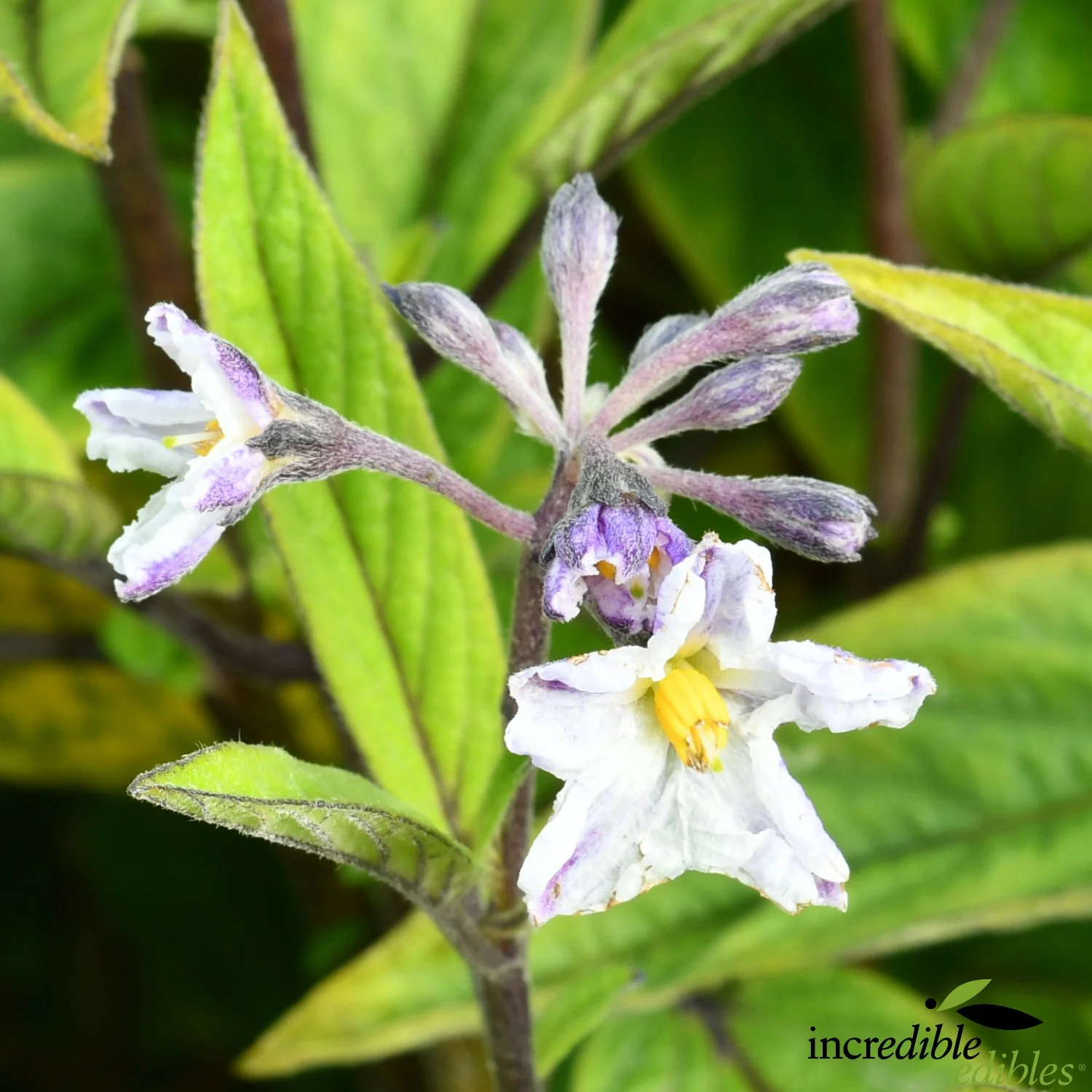
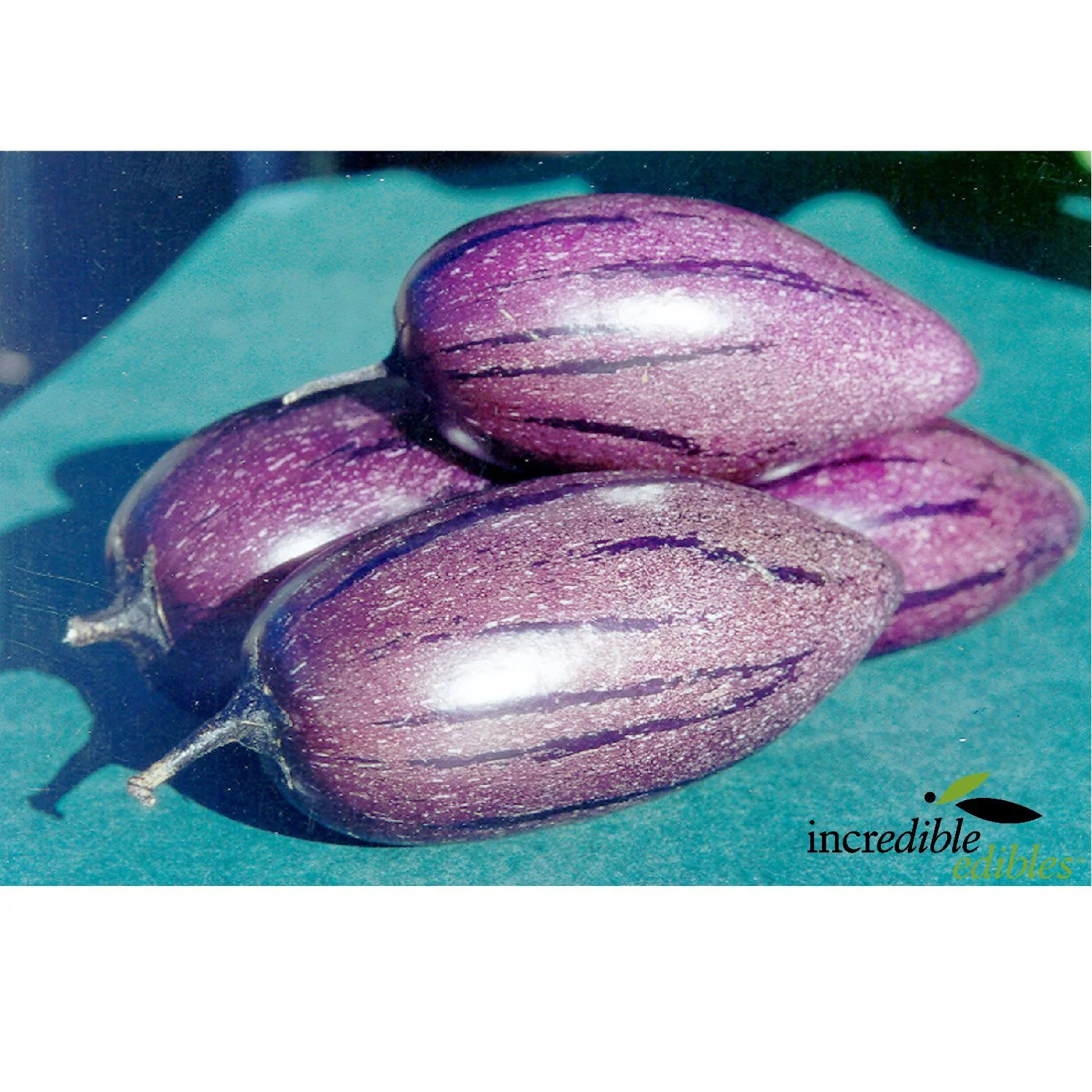
- Pepino
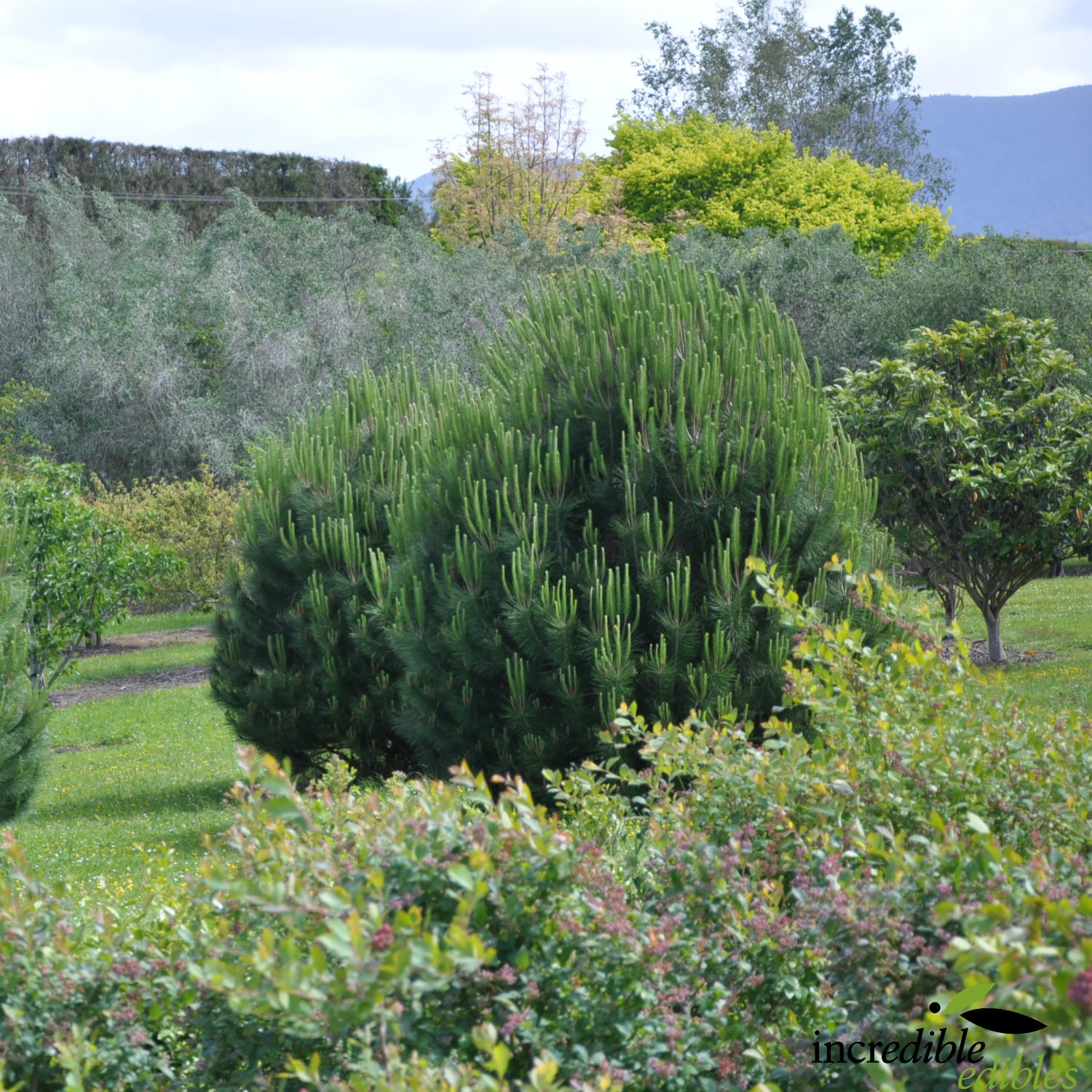
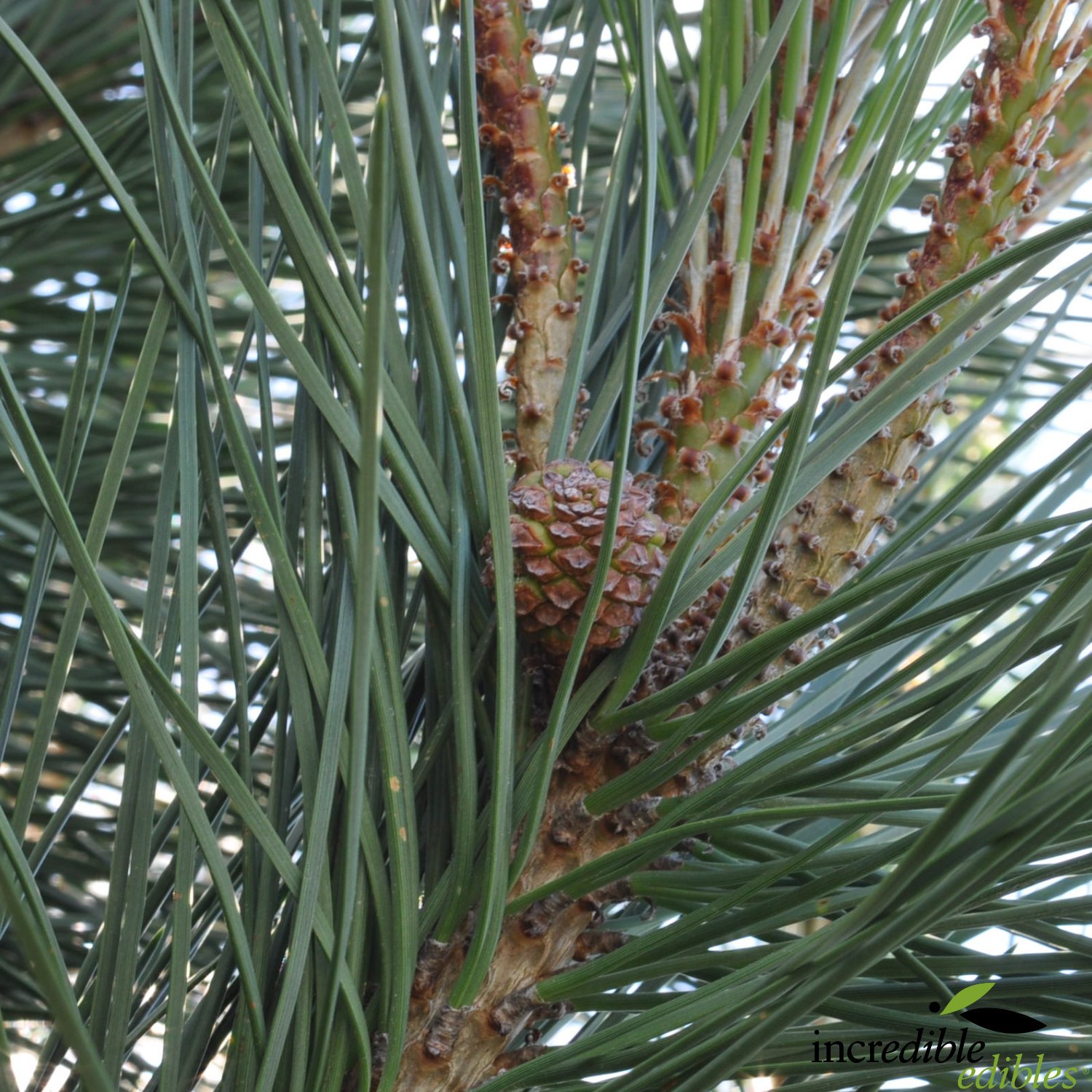
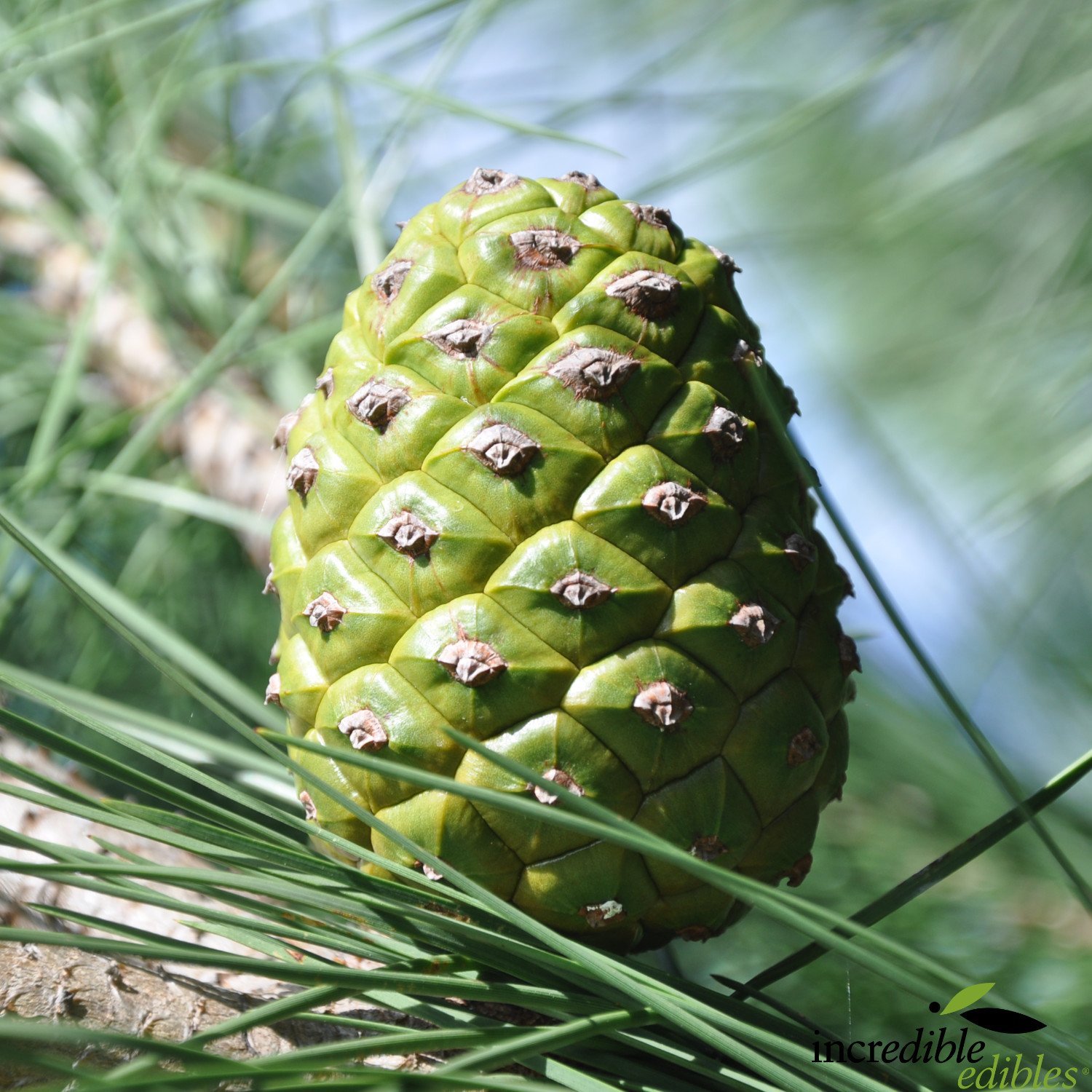
- Pine Nut
- Pomegranates
- Raspberries
- Rhubarb
- Strawberries
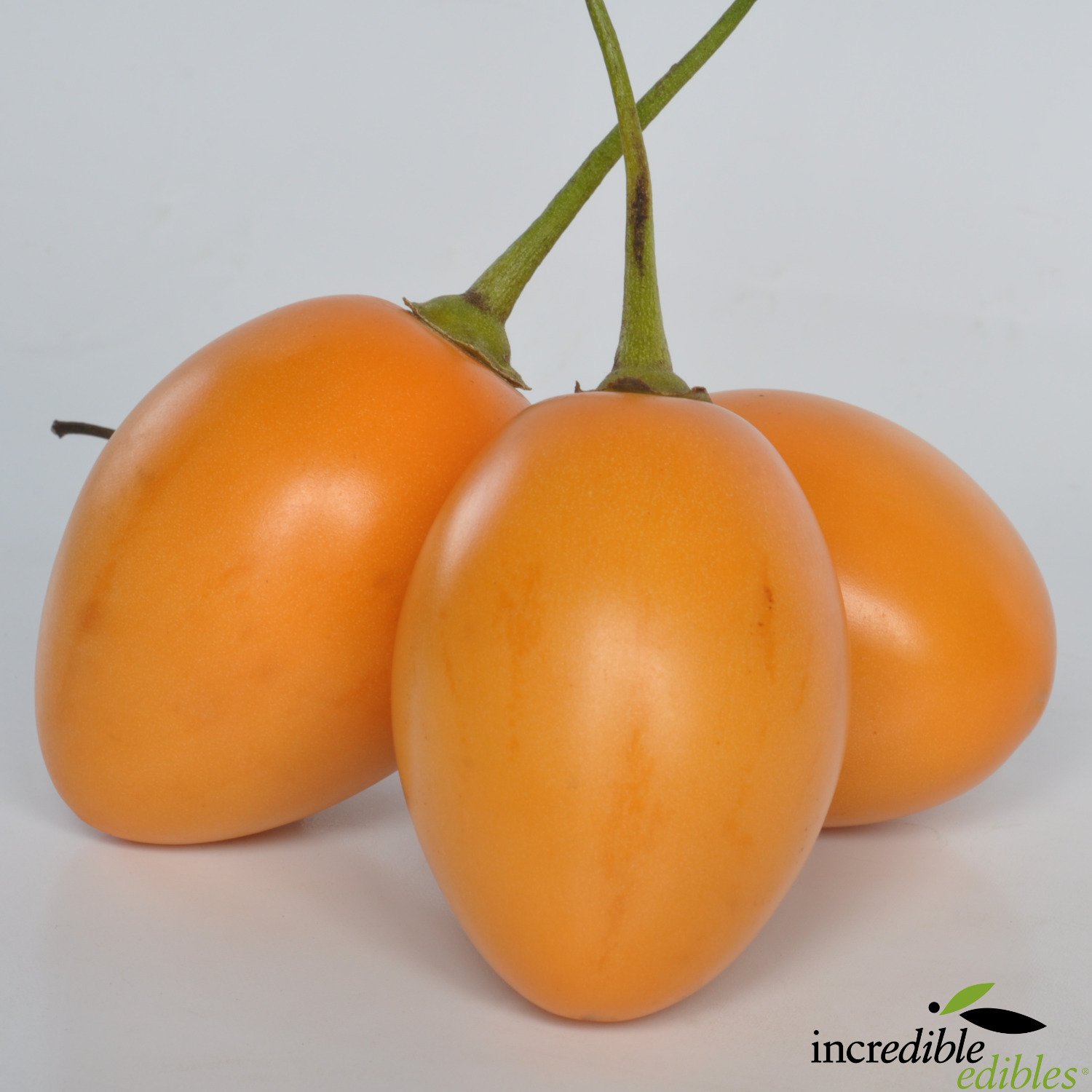
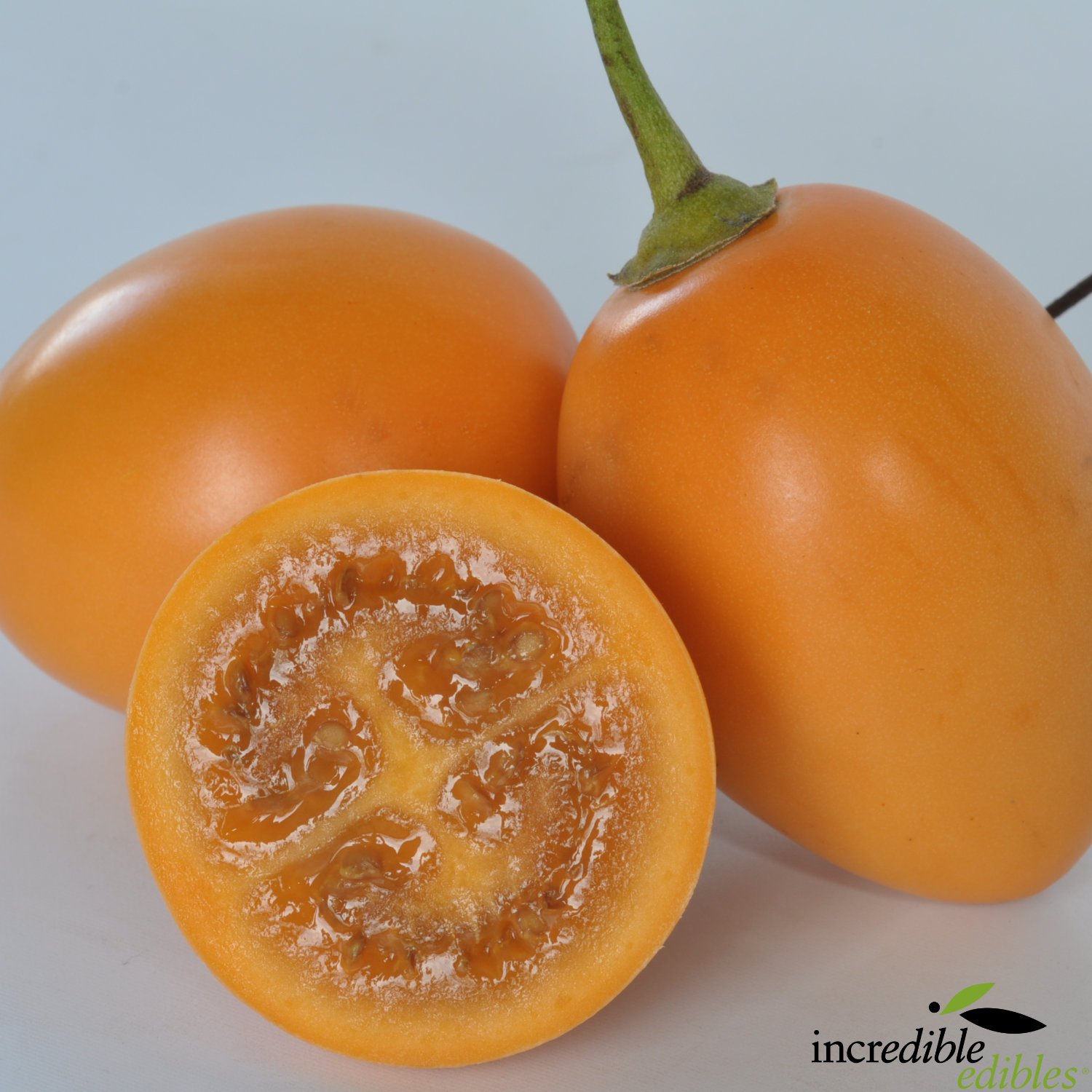
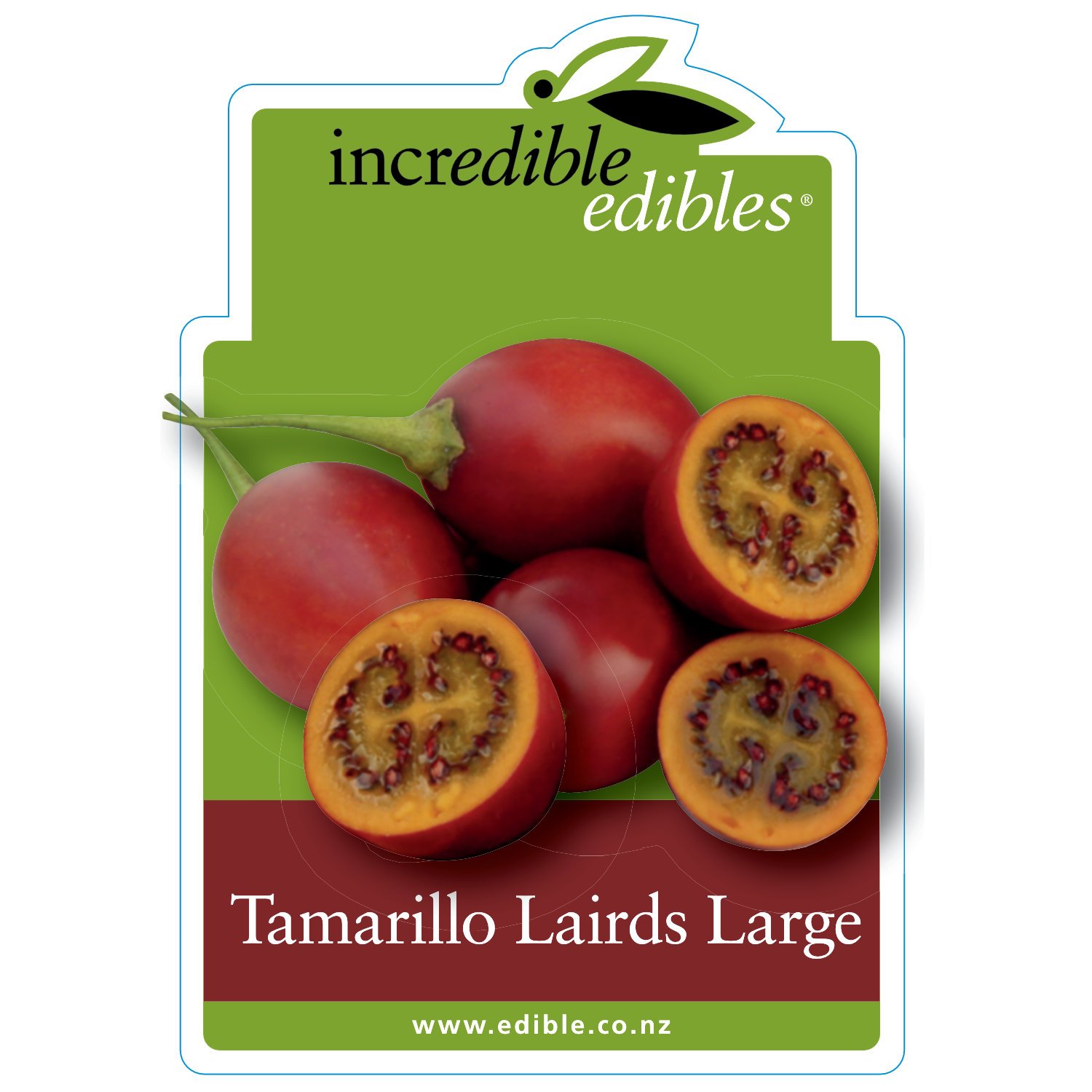
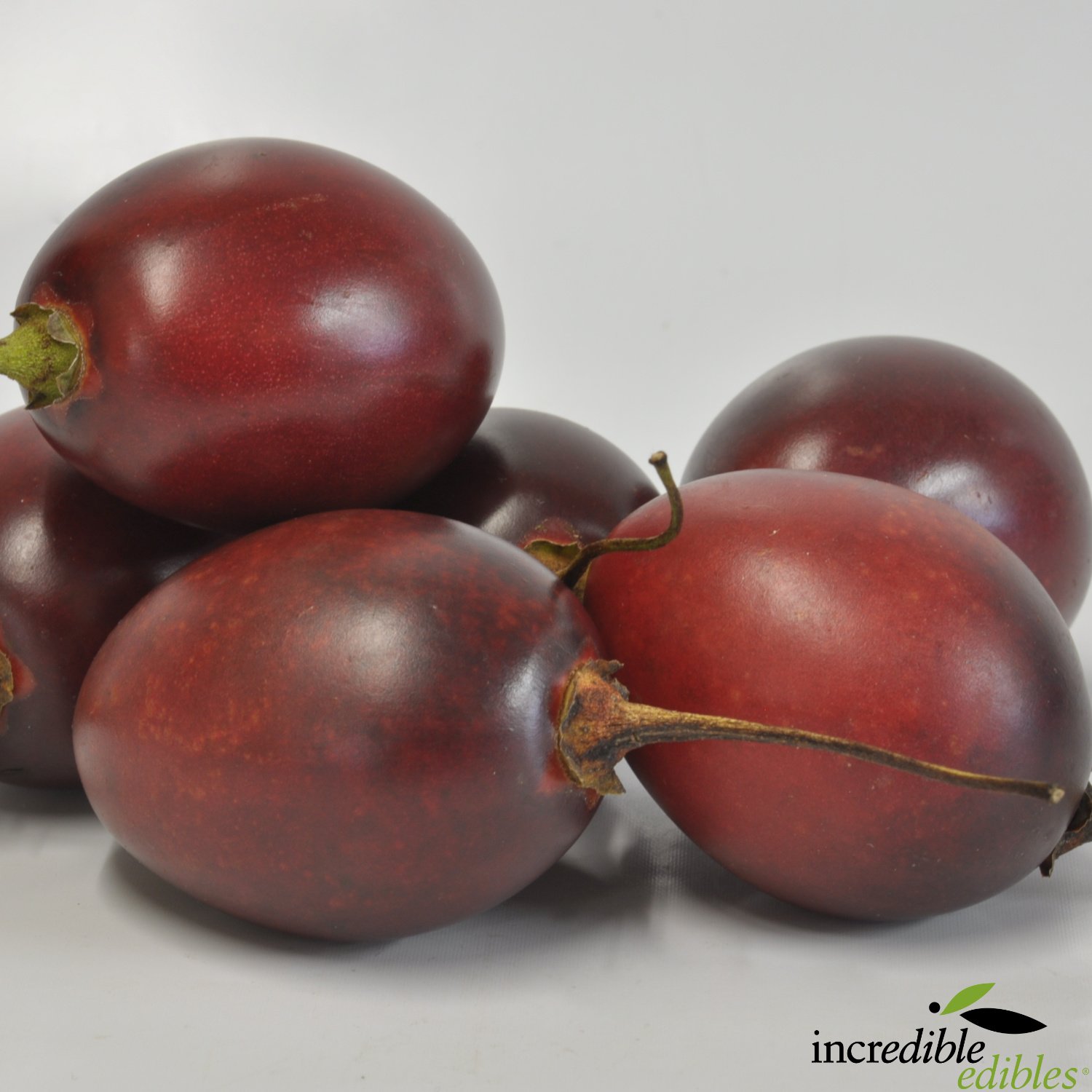
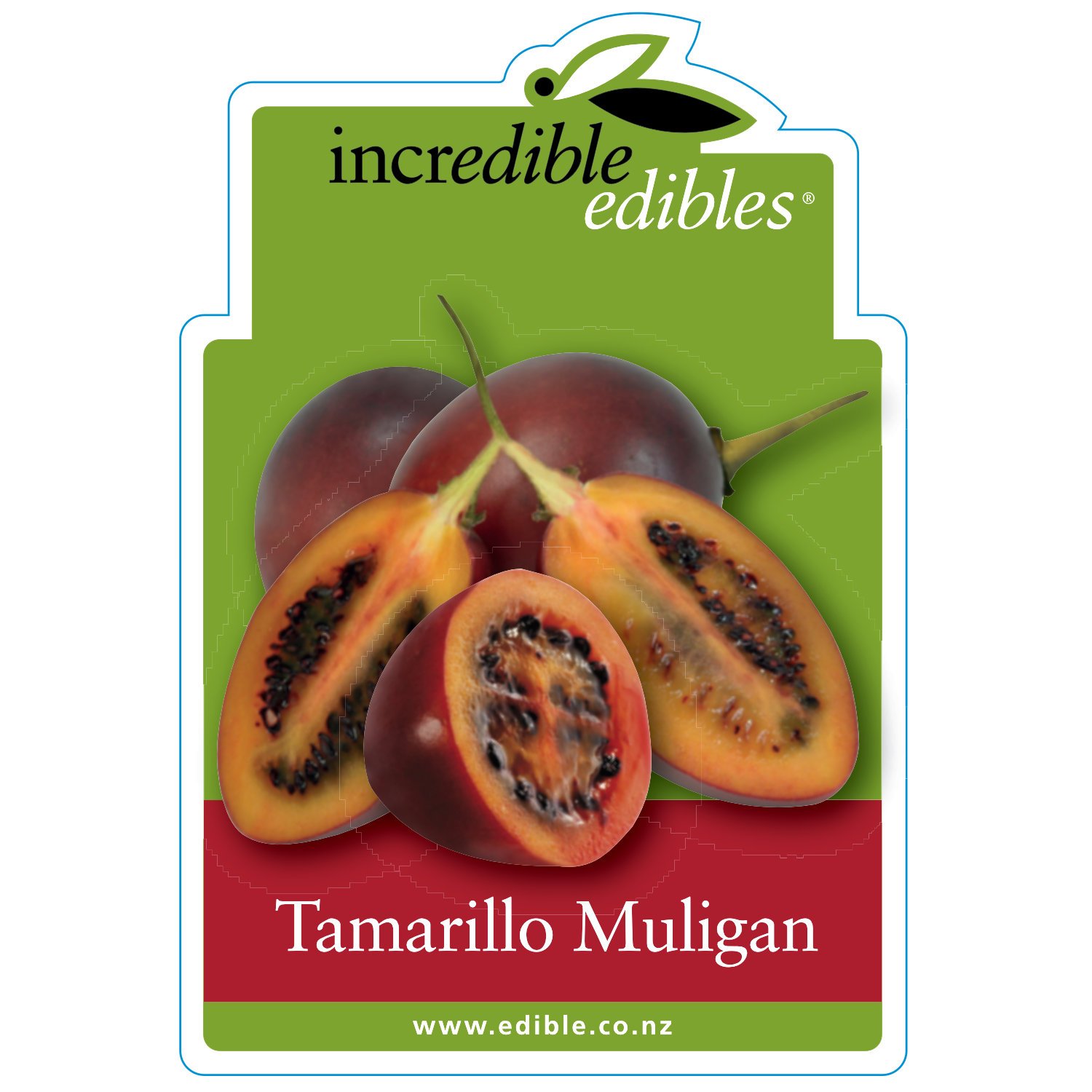
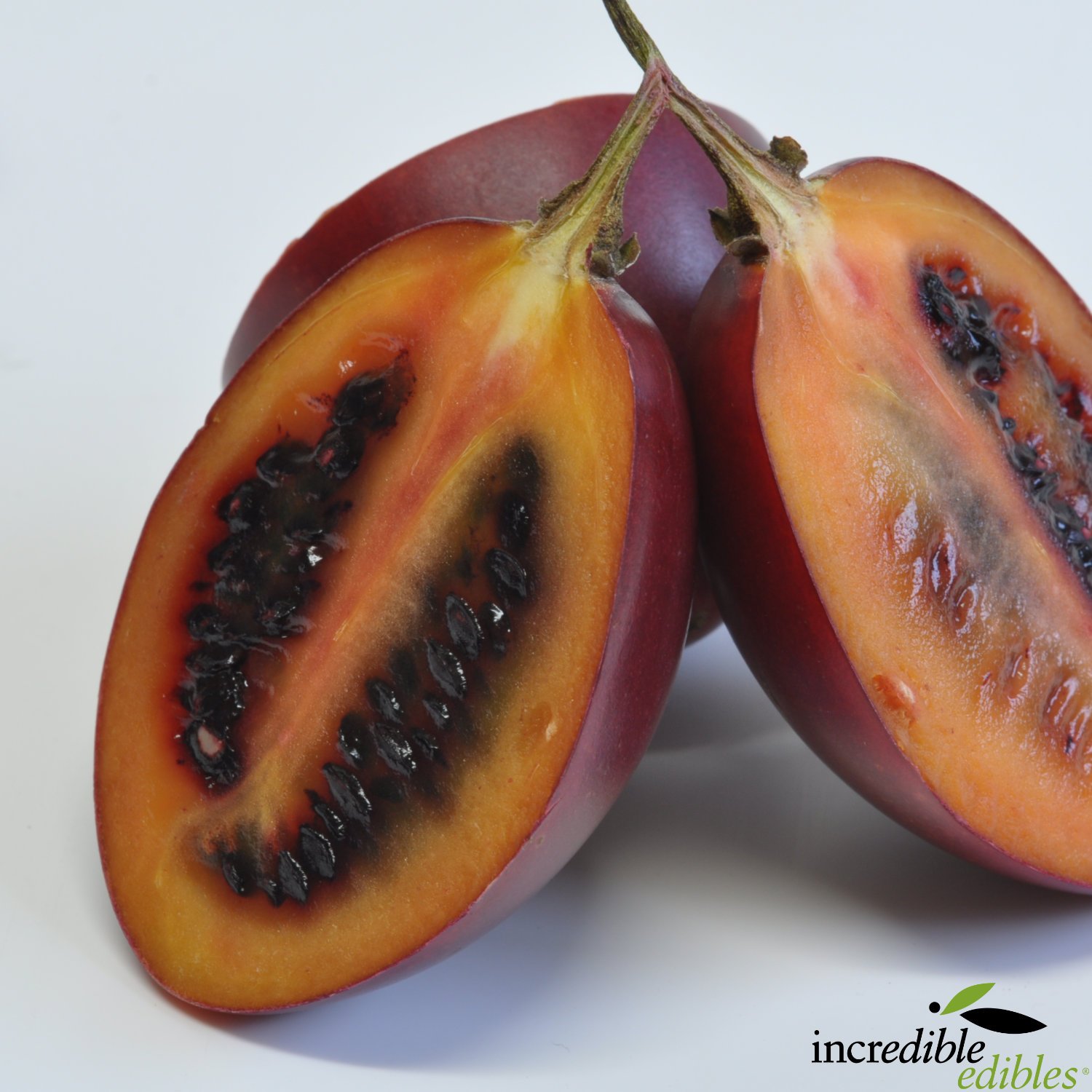
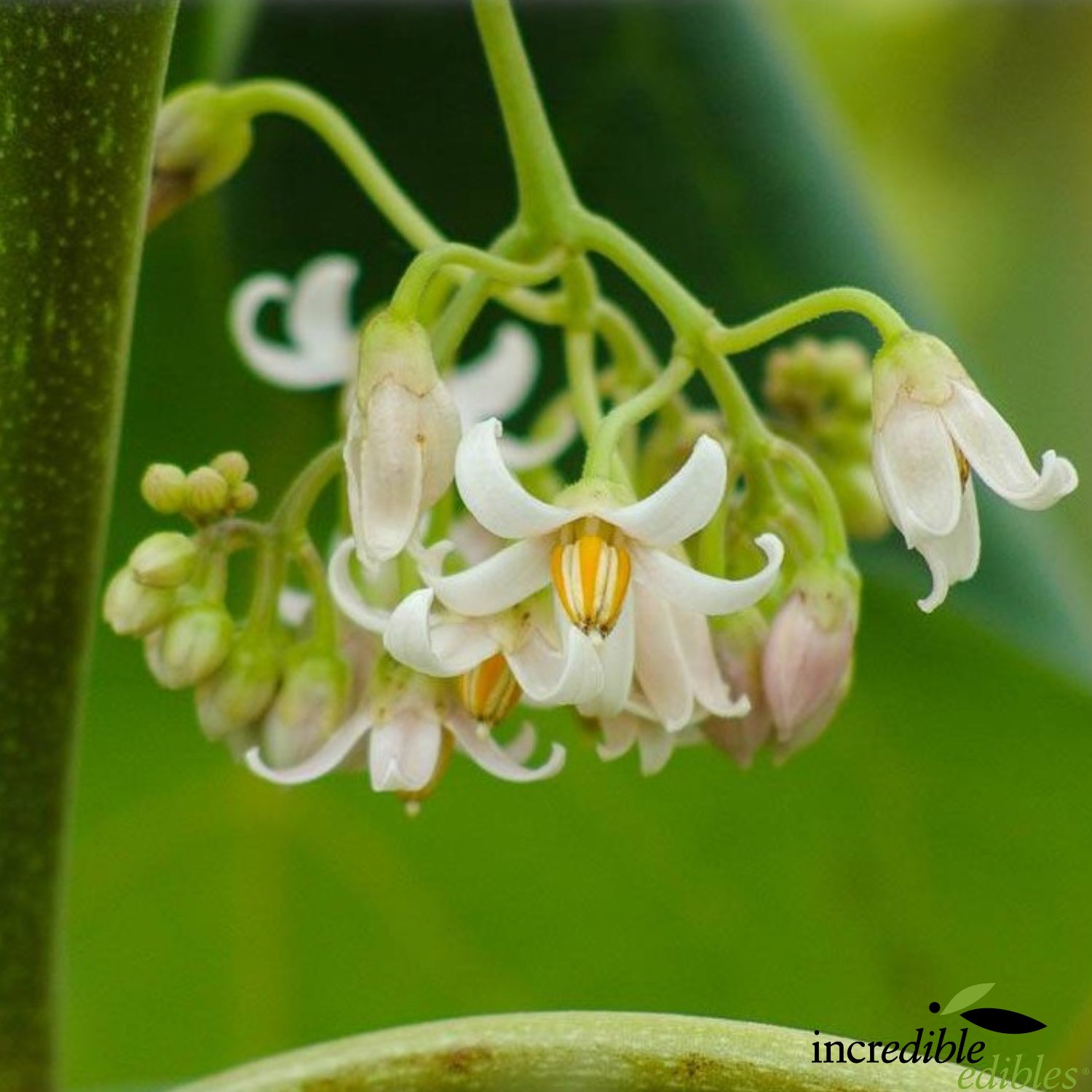
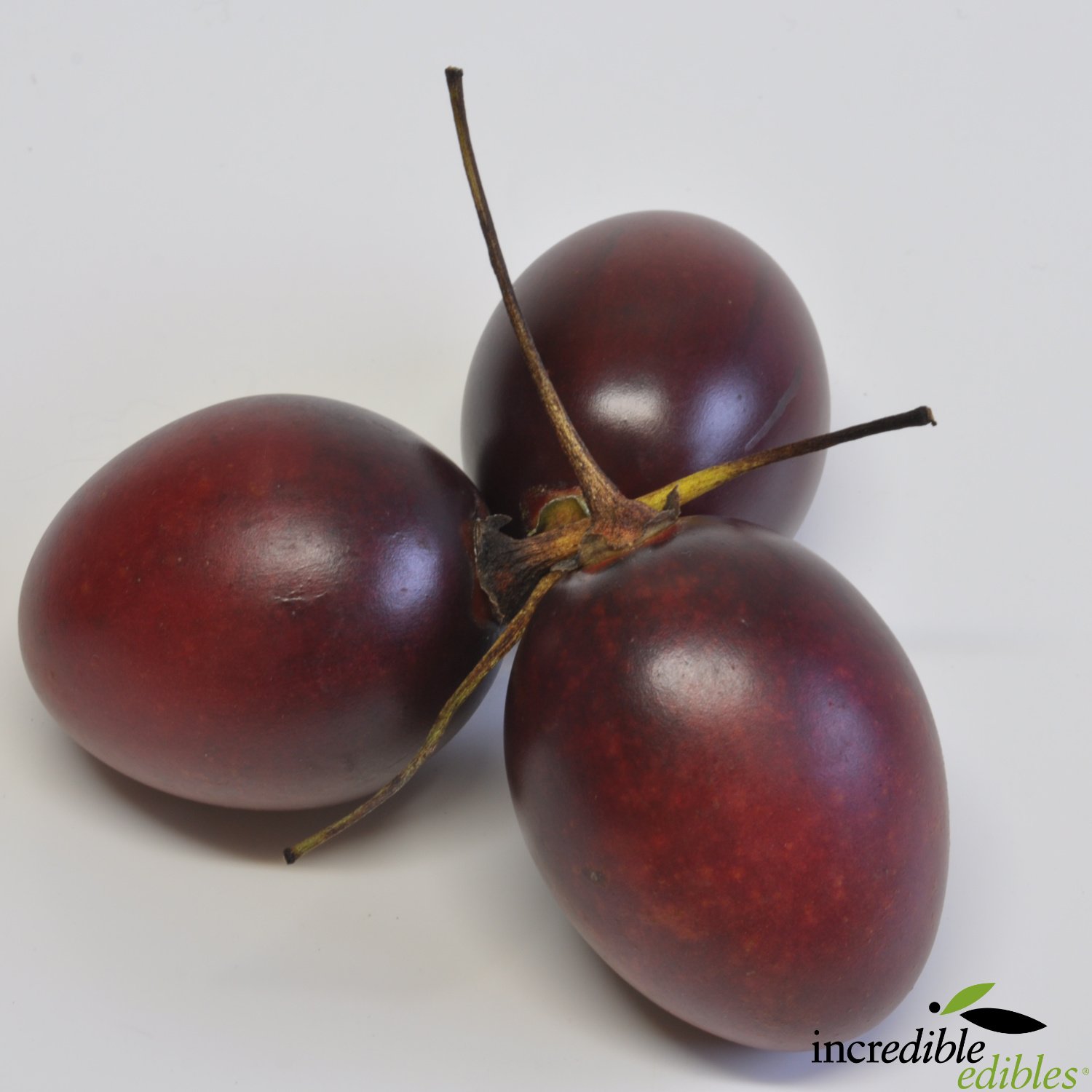
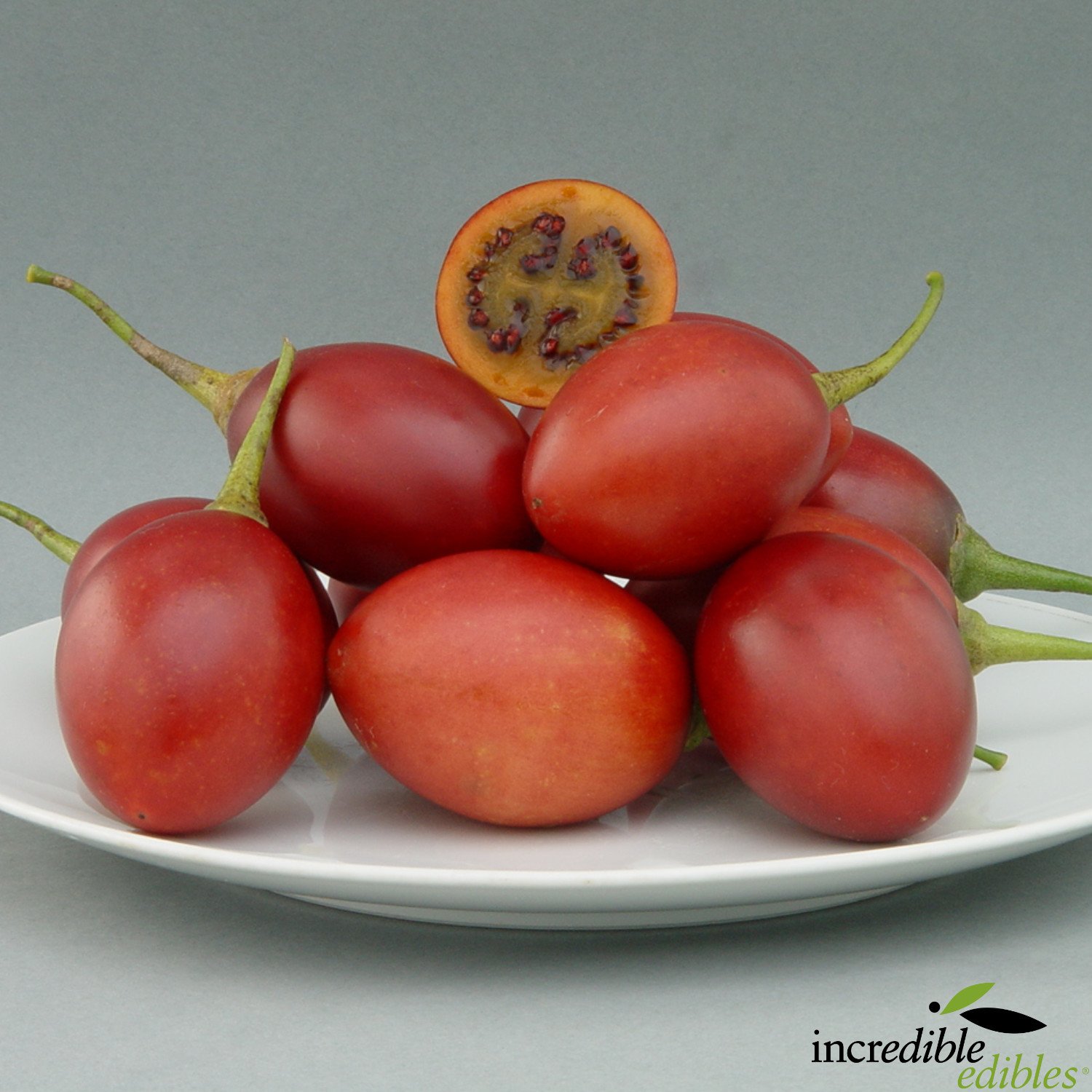
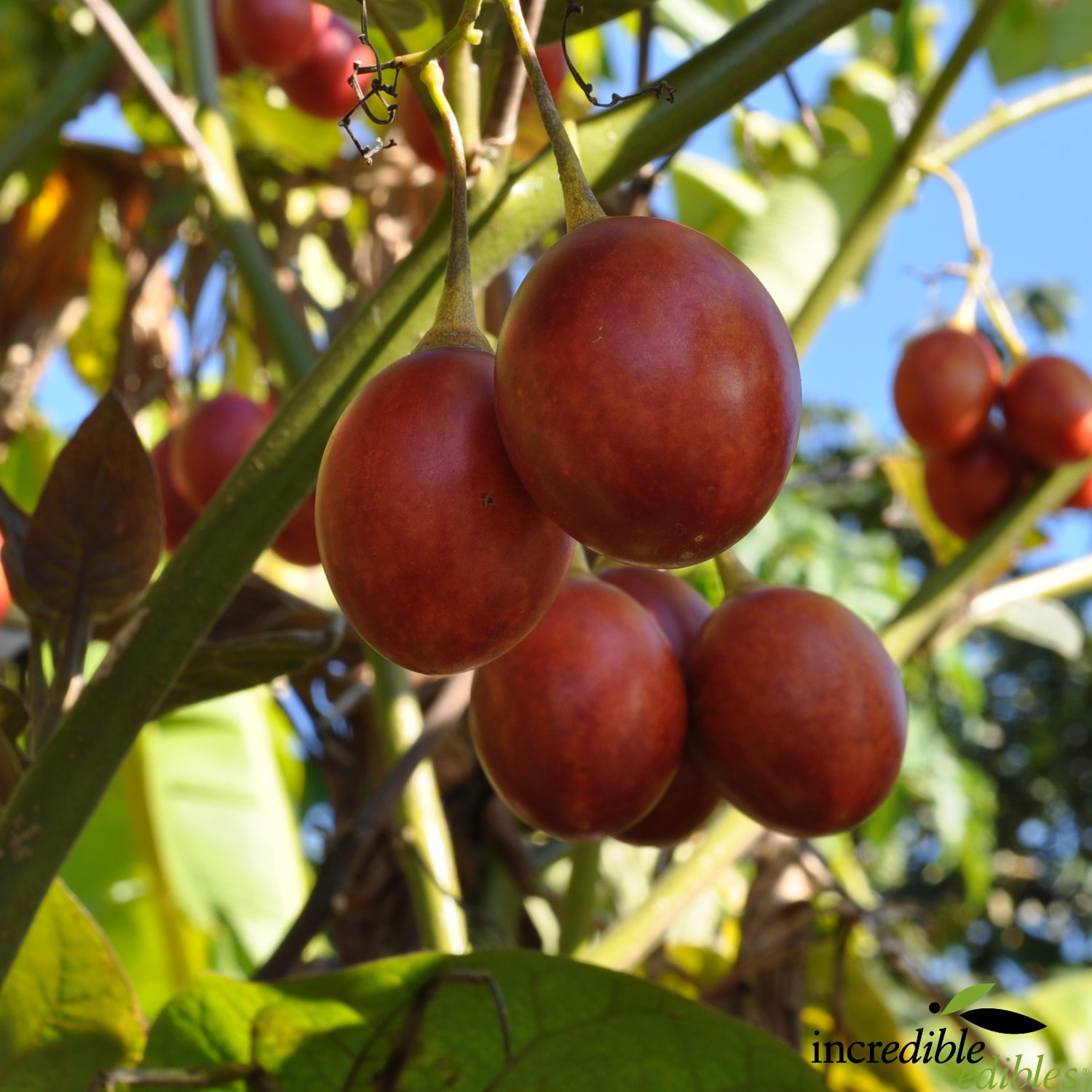
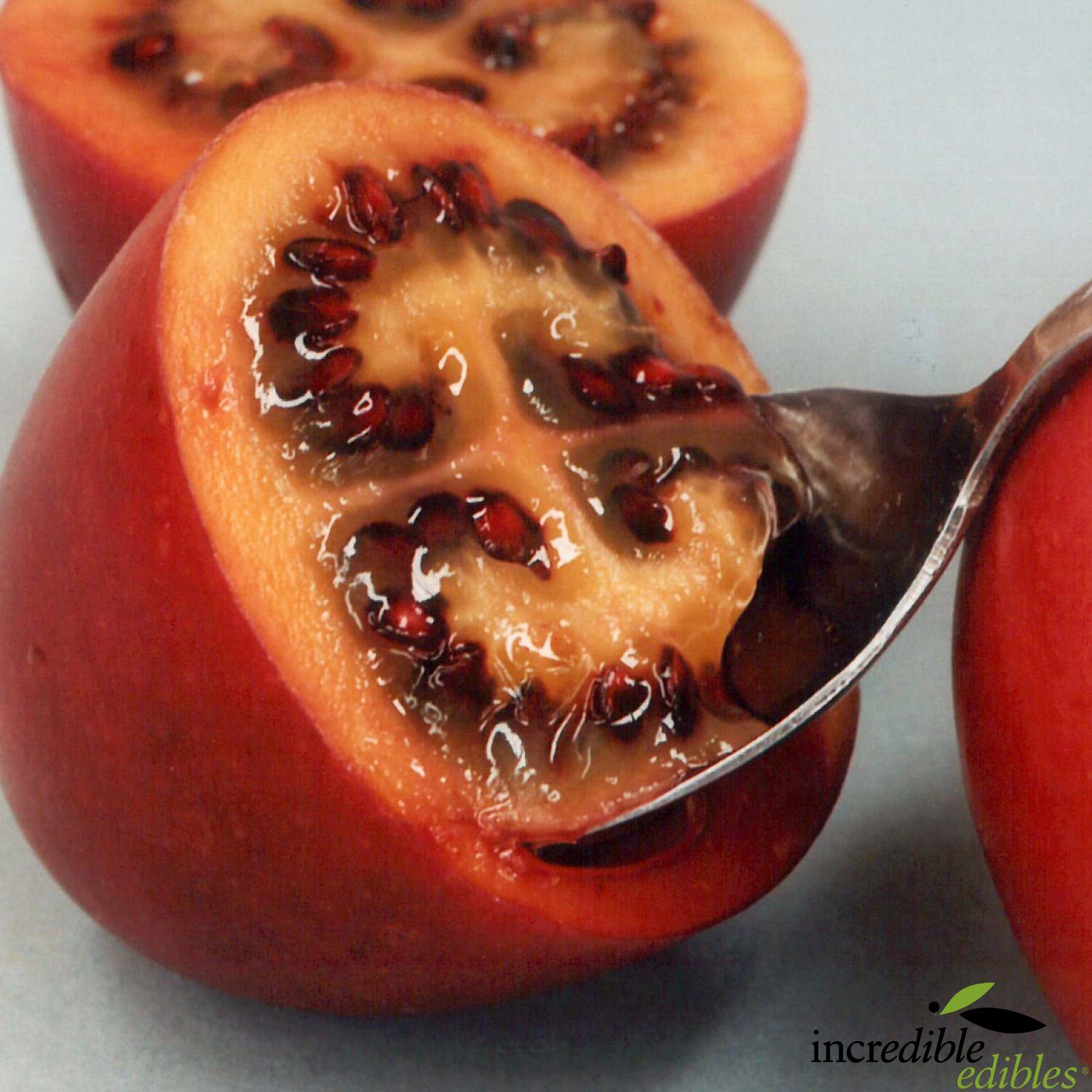
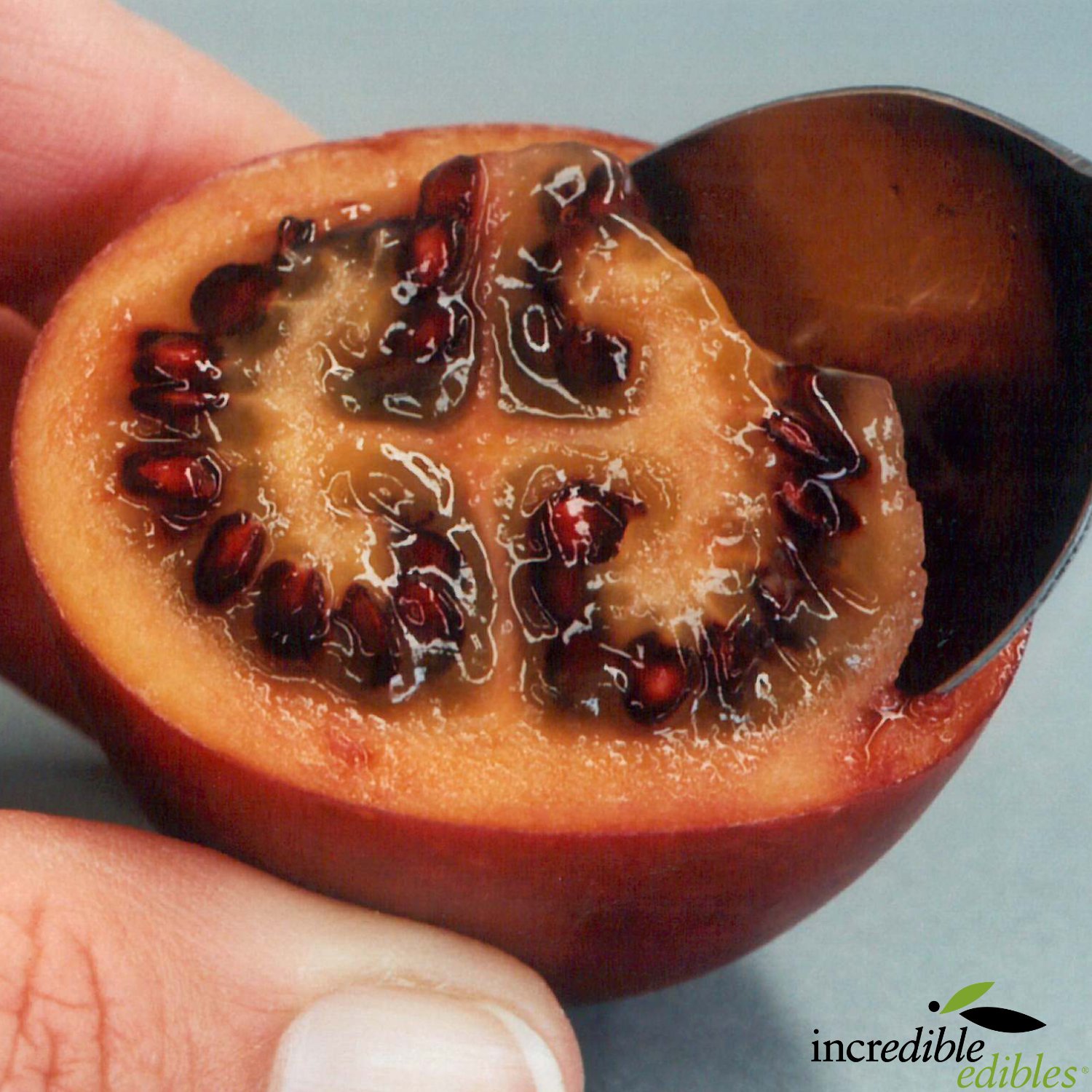
- Tamarillos
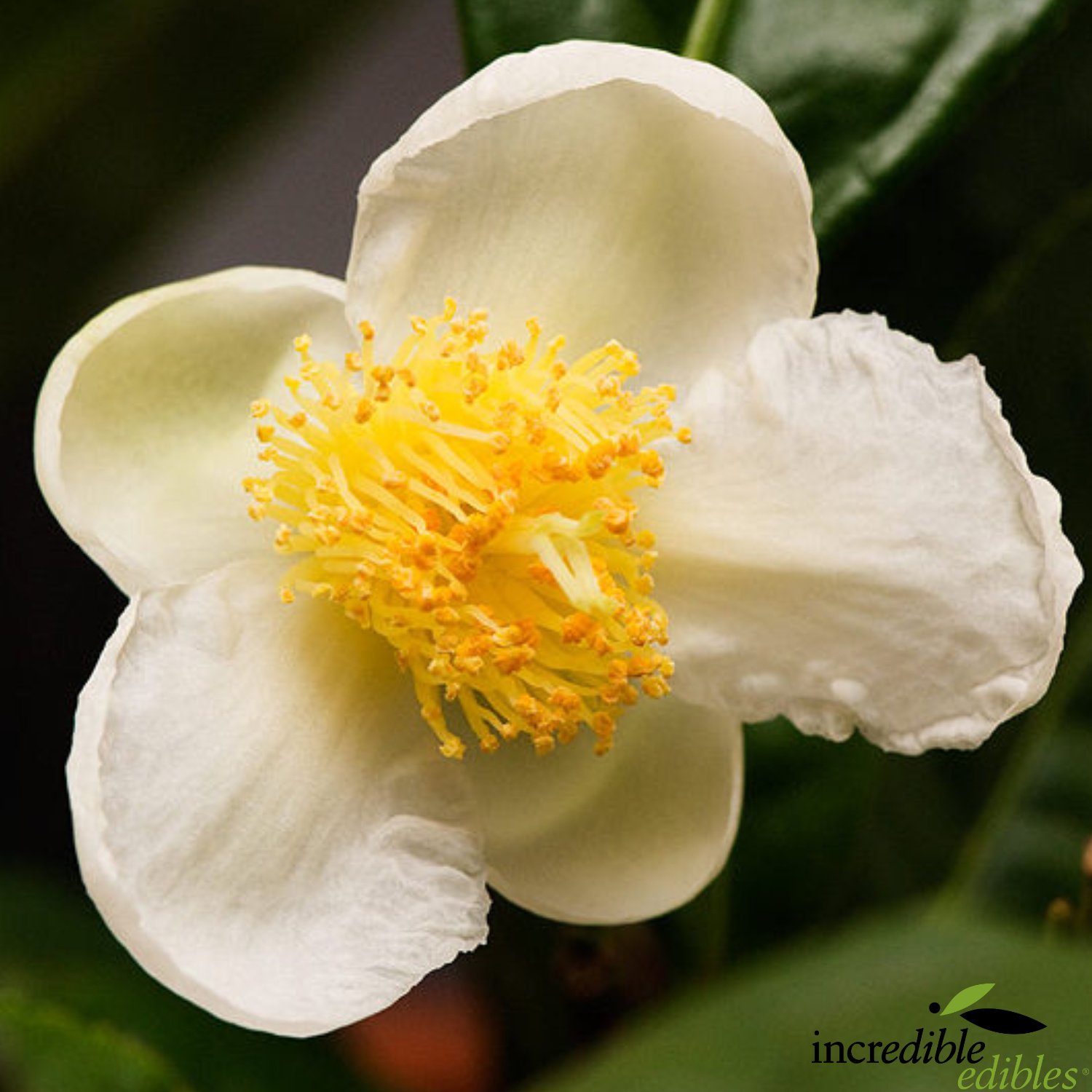
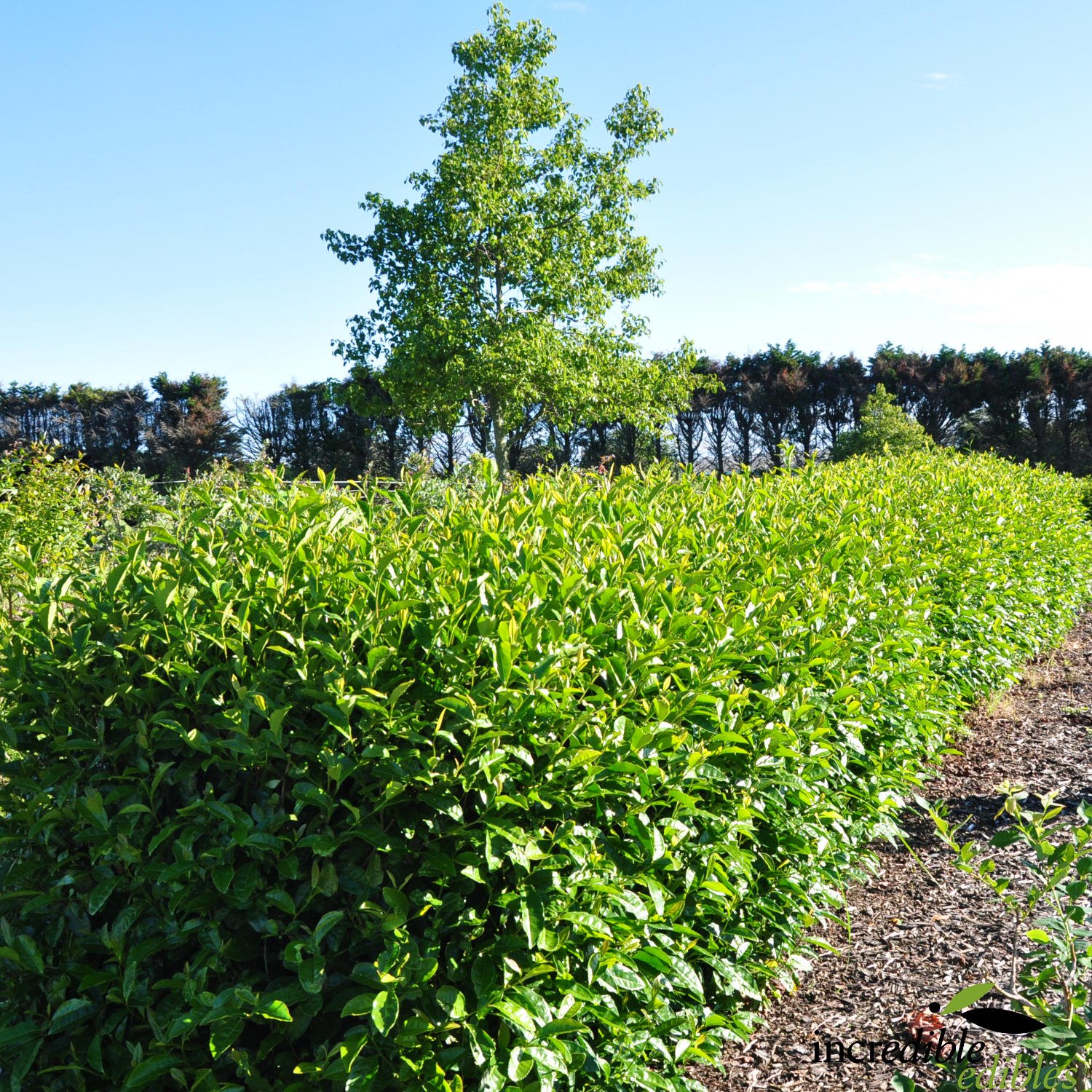
- Tea
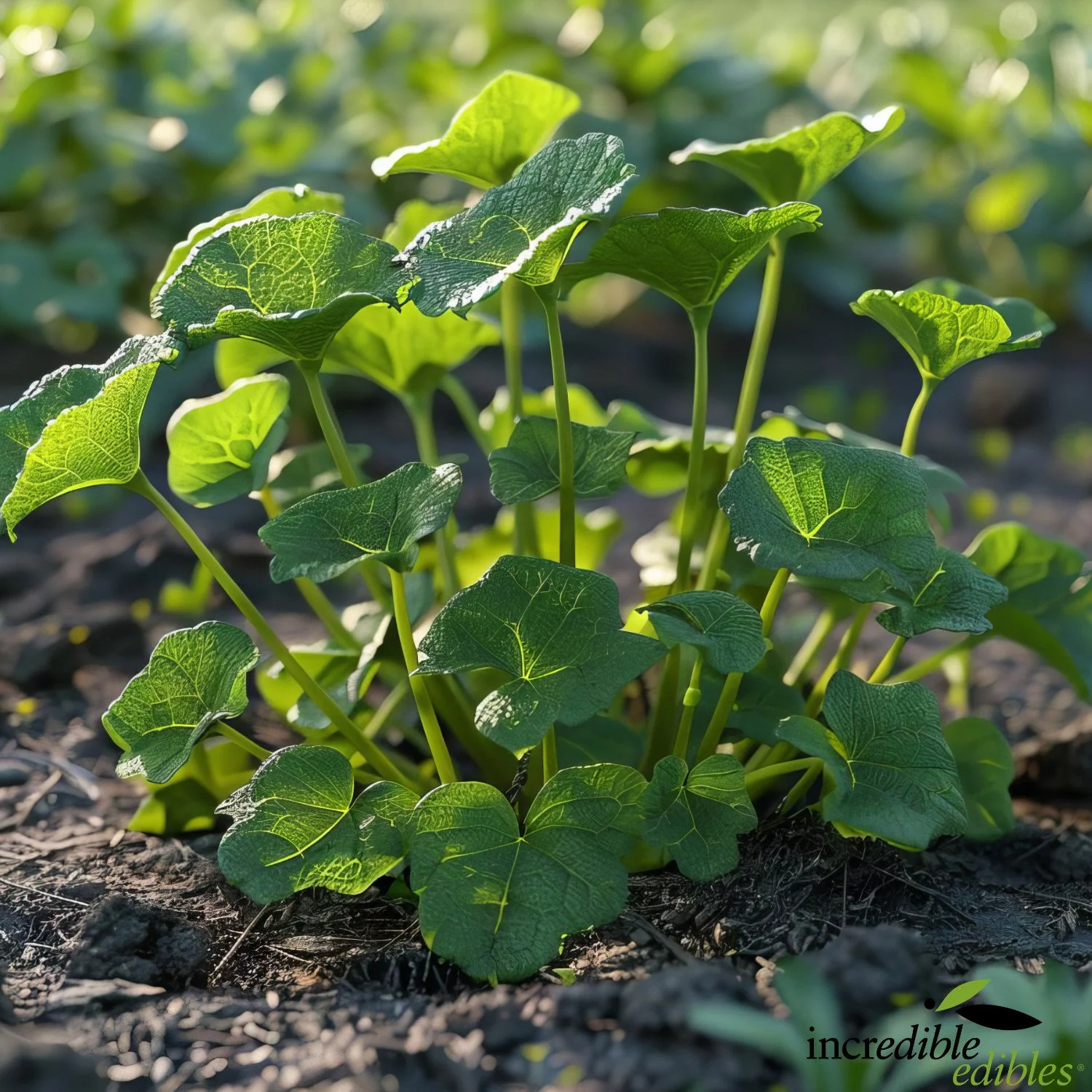
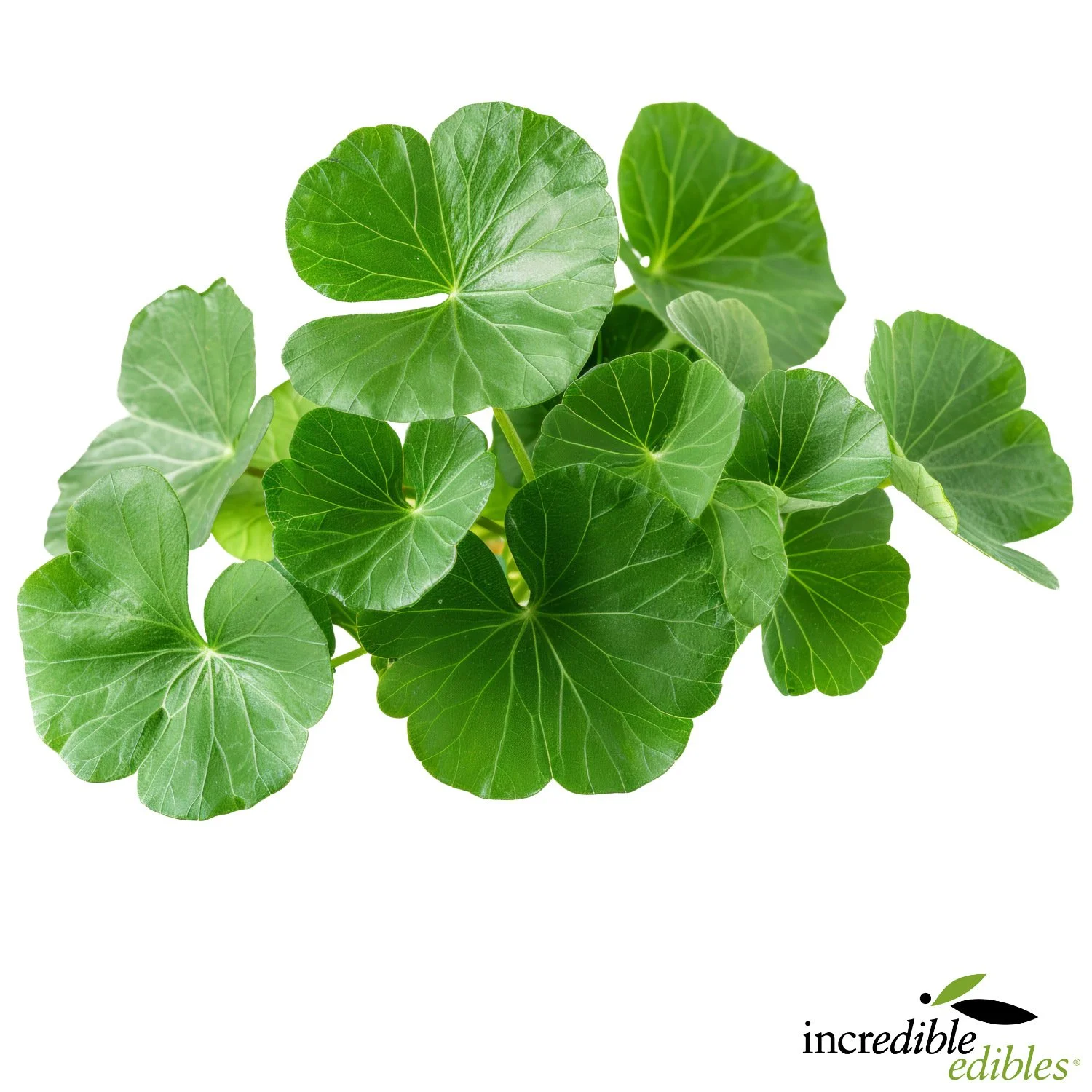
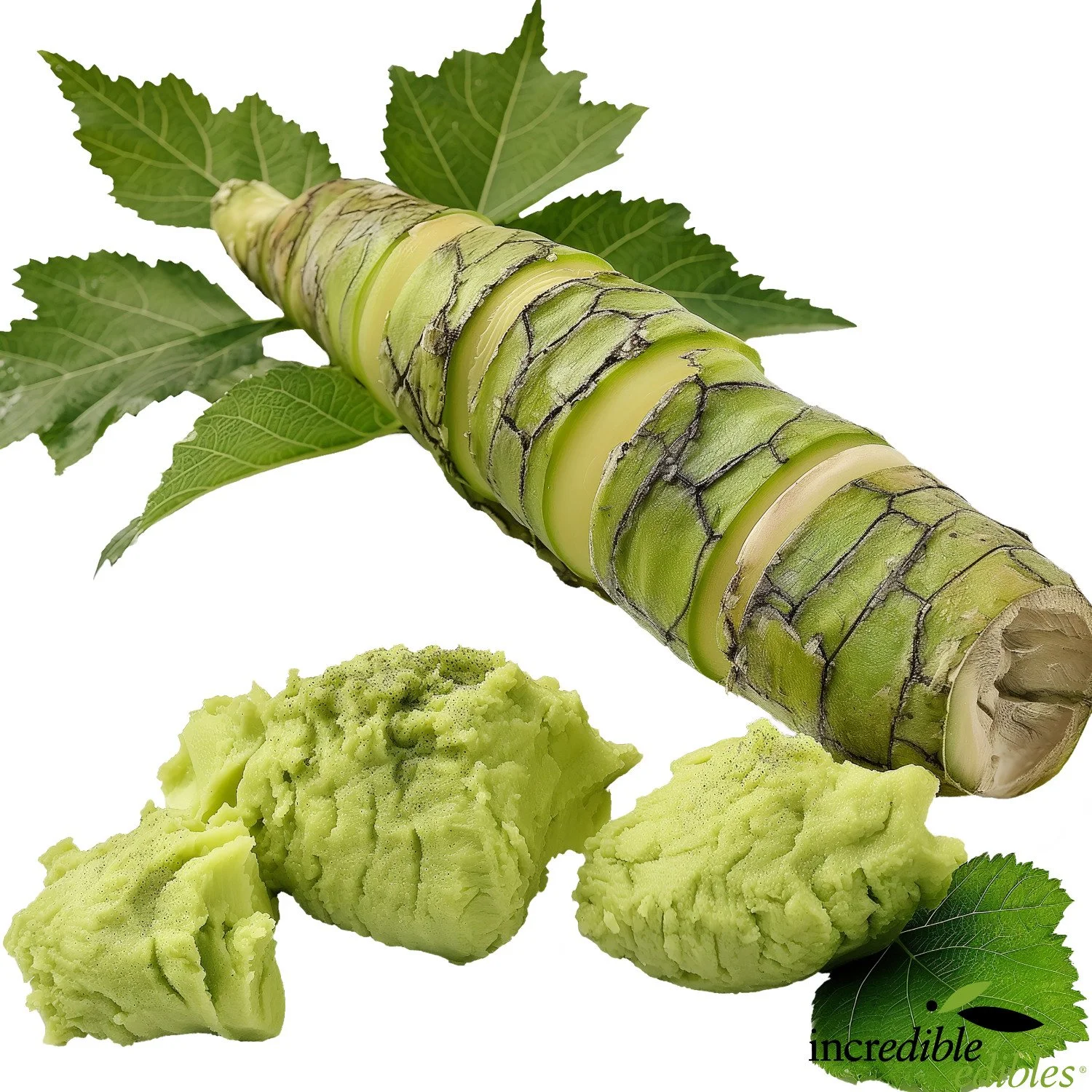
- Wasabi