

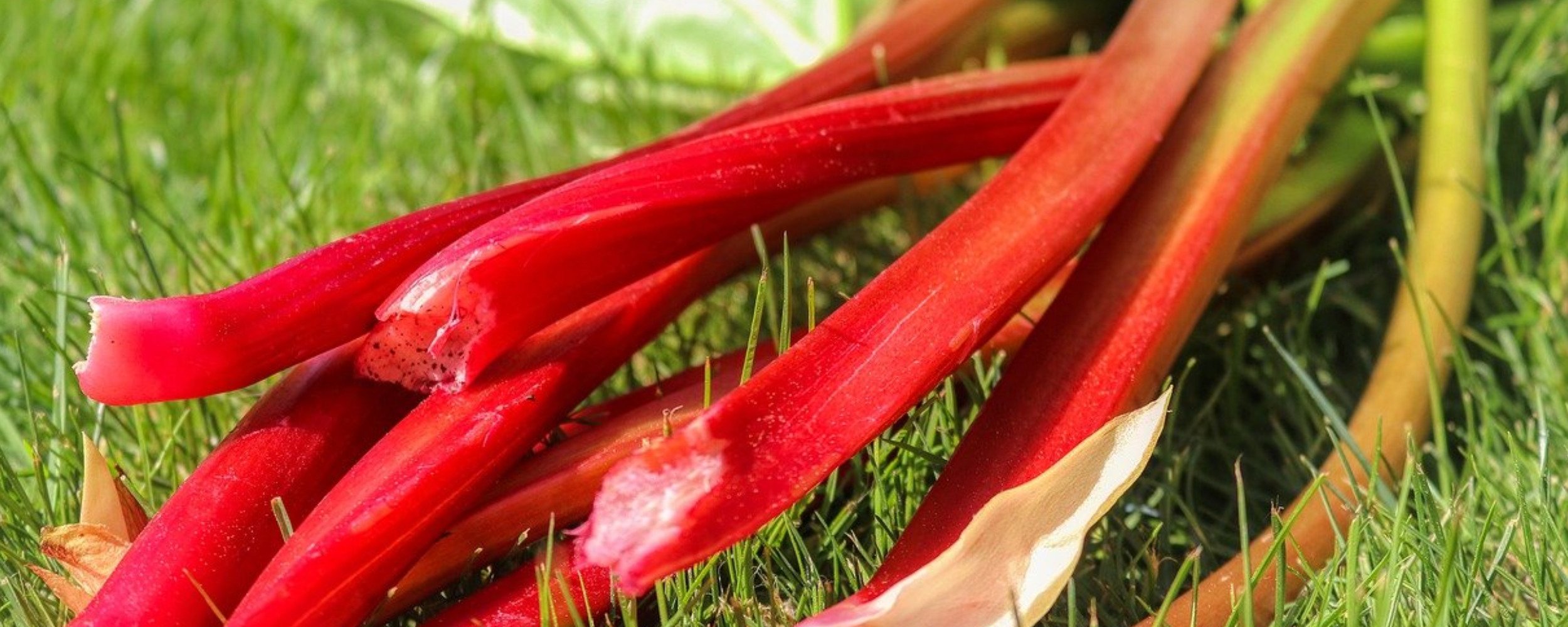
Rhubarb
-
Landscaping
Rhubarb is a must for any kitchen garden. In addition, rhubarb can add a lot of interest to a flower garden with its large leaves and red stems. Leaves are poisonous.
-
Culinary & Nutrition
Rhubarb has a lot of fibre, vitamins B1, C and K, calcium, potassium and manganese. It is known to stimulate the liver and assist in regulating the absorption of fats. Low in calories. Eat young stems fresh (dipped in sugar) or cooked with sugar and stewed. Leaves are poisonous.
-
Growing Conditions
Sun or semi-shade and frost-tolerant. Winter temperatures of below four °C will ensure good spring growth. It will grow in various soil types but likes lots of organic matter.
Incredible Rhubarb Varieties
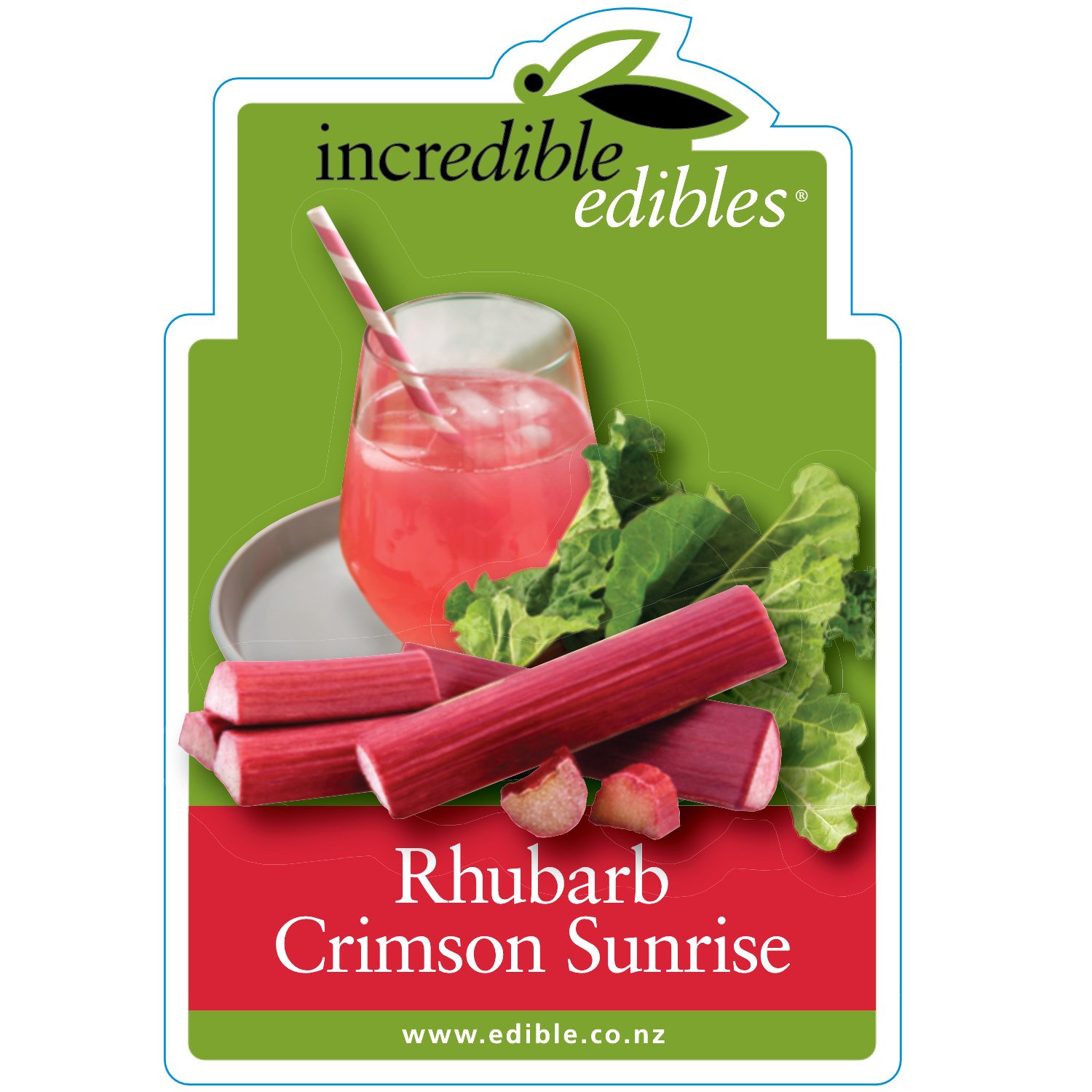
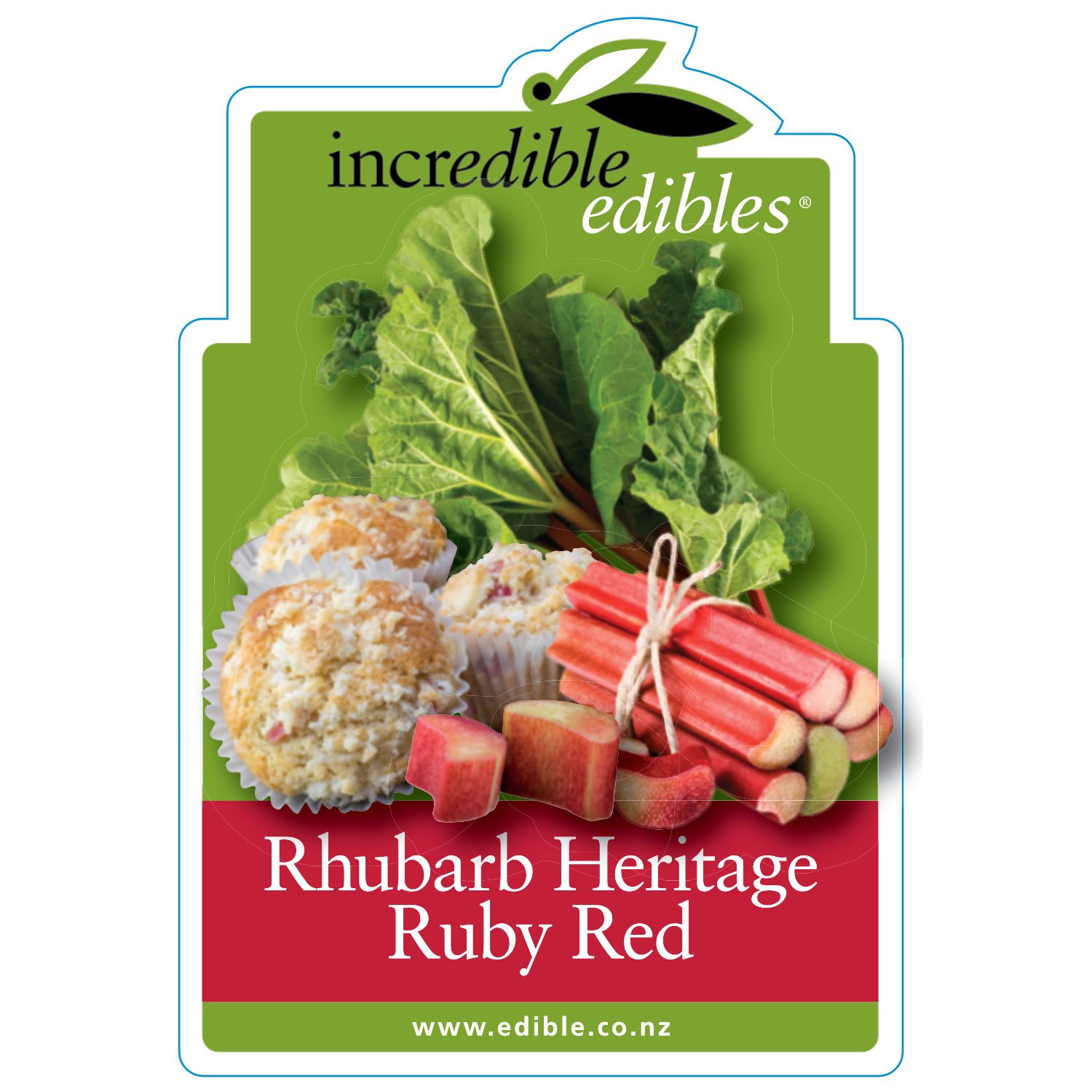
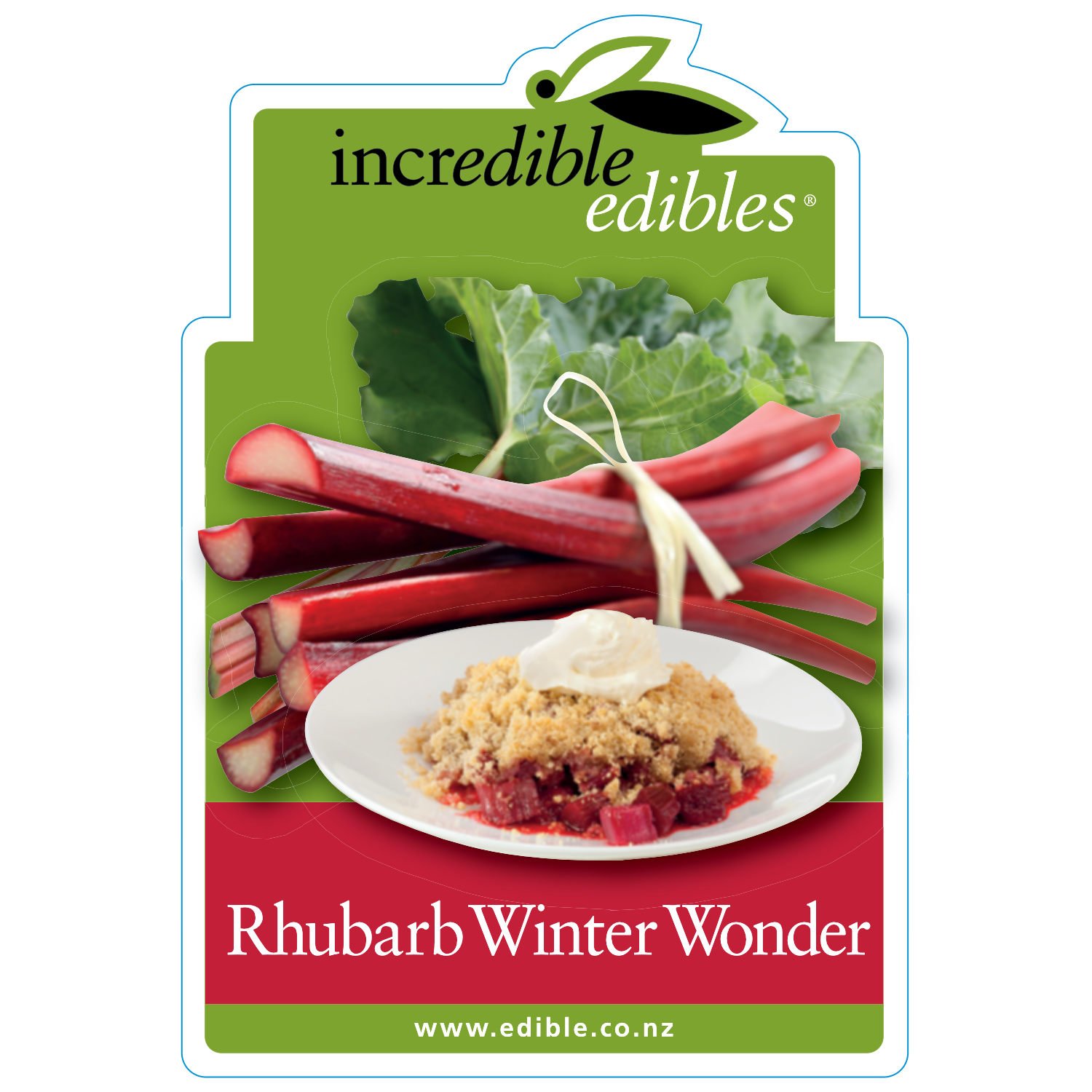

Get inspired by homegrown deliciousness
Get Inspired




Incredible Experts
Hang out with our experts for a few home-grown tips and tricks.
Featured


