
Citrus
-
Landscaping
One of the most versatile edible plant families around, from the popular Lemon to our latest release, Finger Lime, including Kaffir limes and Citrus Yuzu. Great for container planting for the patio or near the kitchen, so it’s easy to grab the fruit. It can be used as an edible screen or hedge. The fragrant white flowers make having Citrus plants in your garden a must.
-
Culinary & Nutrition
Fruit is enjoyed fresh from the tree, though it can be added to fruit salad, cakes & flans. The peel can also be used for its flavour and essential oil. High in Vitamin C, great for those winter colds. The flowers can also be used to make lemon blossom teas and garnishes or added to salads and are used in sweet or savoury dishes.
-
Growing Conditions
Citrus enjoy a full sun position, but in warm areas of the country will handle some shade. Prefer warm conditions but are pretty cold hardy, and will survive a frost. Plant in a well-drained fertile soil, add a good compost and mulch well. Citrus like lots of fertiliser high in nitrogen, applied in spring and summer, apply manure in autumn with a good mulch. Apply copper and oil sprays to keep pests at bay.
Incredible Citrus Varieties
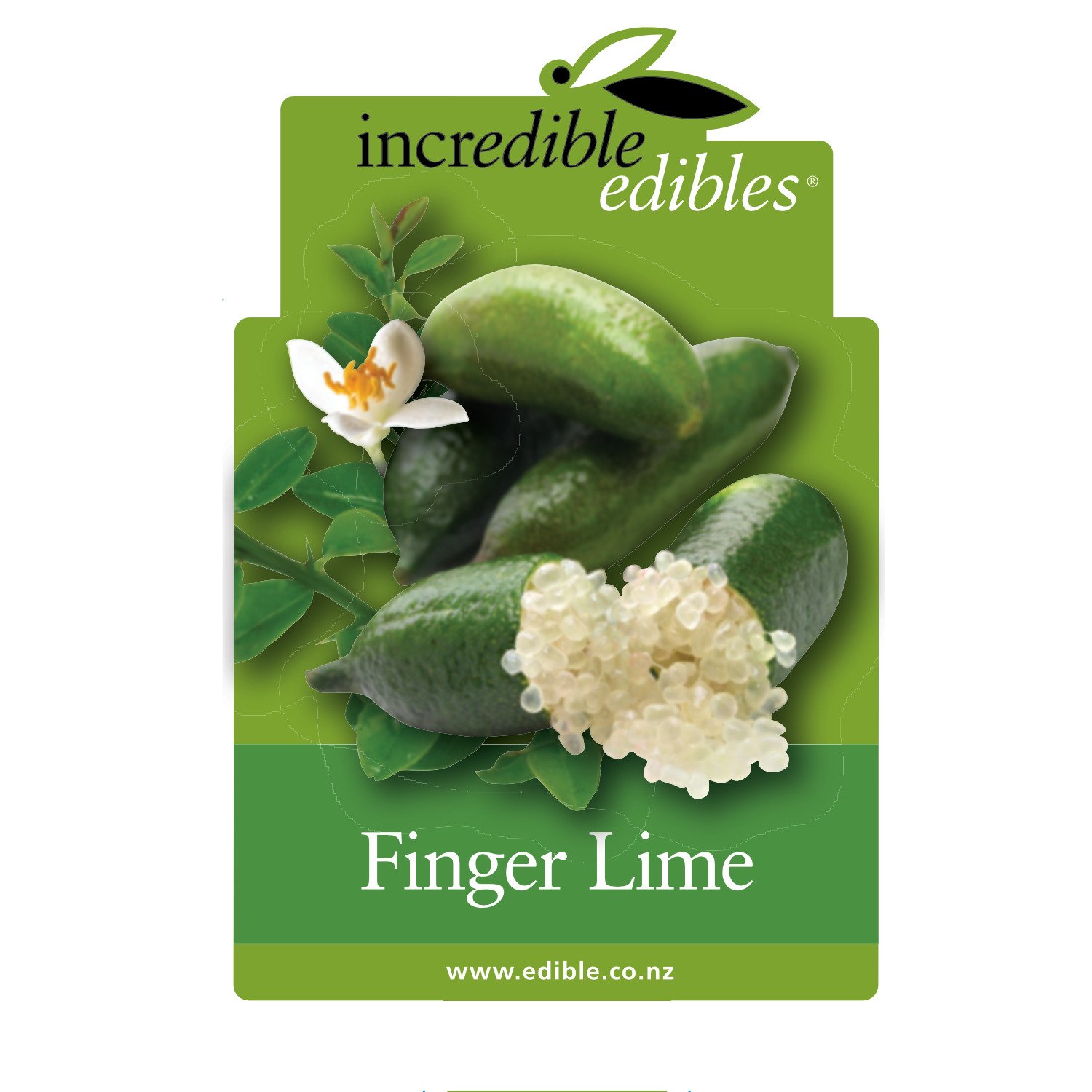
Citrus Finger Lime (Caviar of Citrus) The delicate finger limes usually measure 6-10cm long, shaped like small pickles with ends that taper to points. It’s what is inside that makes them unique when cut in half, they reveal a multitude of tiny spherical vessels ranging in colour from pale yellowish green to nearly pink. The bubbles are squeezed out and can be eaten or used in cooking. When chewed, they pop in your mouth, releasing their tart lime juice. Chefs who use them serve them alongside seafood, sushi, pasta, and other foods that benefit from the crunchy pop of the bubbles and their tart, citrusy flavour. Can be used in making jams and marmalades or as a garnish for puddings, cheesecakes, ice cream and other decadent desserts.
Finger limes are medium-sized shrubs and can easily be trimmed to maintain shape. Citrus is heavy feeders, requiring regular feeding with a Citrus fertiliser and/or manure (3-4 times annually). Apply a good layer of mulch in spring and autumn to keep weeds at bay and help with moisture retention. Spray alternatively and regularly with an organic copper spray and an organic oil spray, preventing insects and fungal diseases.
Our, Getting the best from your Citrus expert advice page, provides more information on Citrus care.
Citrus australasica
Citrus Kaffir Lime (sometimes called Makrut or Thai lime) is better known for its use and the shape of the leaves (Distinctively shaped ‘double’ leaves). The skin of a Kaffir Lime is warty, and the fruit doesn’t give a lot of juice (Is of golf ball size). (Both the rind and the juice can still be used). Kaffir limes are often used in South-East Asian cuisine where leaves are used in soups and broths and can also be used to infuse anything from tea, a pickling juice to a salt cure or sugar syrup, add some leaves when cooking rice. The zest can be used in many ways as well, sprinkle on icing, add to baking and add to curries, stir fries or casseroles. The intense citrus fragrance juice is used in essential oils and in perfumery. Kaffir limes are equally grown successfully in the garden or in a large container and have white fragrant flowers intermittently in spring and summer.
The leaves can be harvested year round, fruit is ready to use late summer. early autumn, use fruit when still green , when its yellow it is over ripe.
Prune to maintain shape and remove dead or diseased branches, its natural habit is a dense shrubby plant (Remove any sucker growth). Slightly frost tender when young. Citrus is heavy feeders, requiring regular feeding with a Citrus fertiliser and/or manure (3-4 times annually). Apply a good layer of mulch in spring and autumn to keep weeds at bay and help with moisture retention. Spray alternatively and regularly with an organic copper spray and an organic oil spray. This will prevent insects and fungal diseases.
Our, Getting the best from your Citrus expert advice page, provides more information on Citrus care.
Citrus hystrix
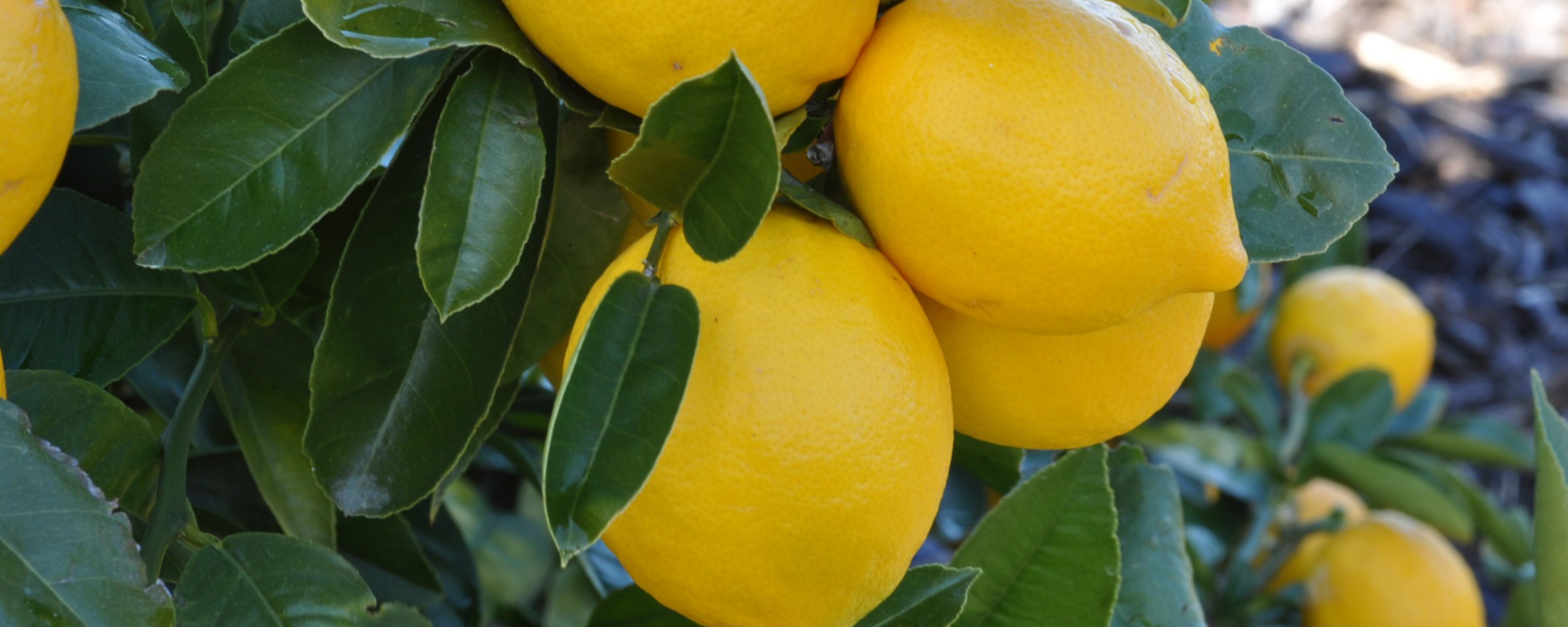
Lemon Meyer is the most popular Lemon, a medium-sized tree, hardy and easy to grow in a container or garden. Lemon Meyer can provide Lemons throughout the year (Mainly fruiting from April to December). The juice has a distinct floral fragrance, sweet and slightly tart, with a low acidity. The fruit can be used in its entirety, including the peel and pulp. Delicate white and purple tinted flowers send a fresh aromatic invitation to enjoy the moment. Much more, cold hardy than other lemons, are densely foliaged compact habit, moderately vigorous, and small to medium tree, spreading and nearly thornless.
Prune to maintain shape and remove dead or diseased branches. (Remove any sucker growth). Citrus is heavy feeders, requiring regular feeding with a Citrus fertiliser and/or manure (3-4 times annually). Apply a good layer of mulch in spring and autumn to keep weeds at bay and help with moisture retention. Spray alternatively and regularly with an organic copper spray and an organic oil spray. This will prevent insects and fungal diseases.
Harvest the fruit when this turns a lighter green but is still firm. Ripen fruit at room temperature and is ready to eat when it develops its fragrance and softens just a little to the touch.
Prune at the end of winter to maintain shape, apply a good mulch and fertilise with a fertiliser high in potassium over spring and autumn.
Our, Getting the best from your Citrus expert advice page, provides more information on Citrus care.
Citrus hybrid ‘Meyer’
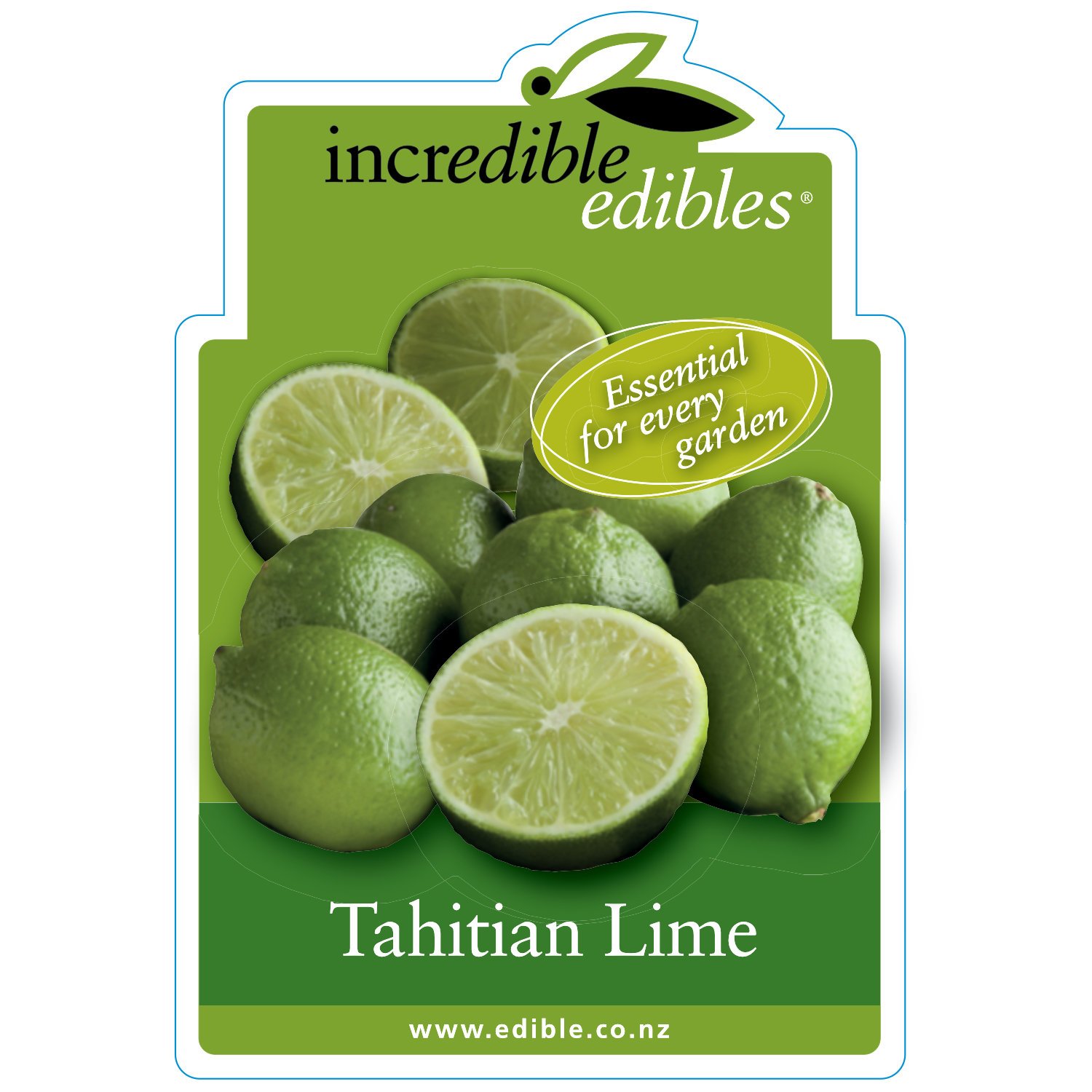
Tahitian Lime has an almost round pale, medium-sized greenish-yellow fruit with yellow/green juicy pulp. It has a distinct lime aroma and flavour. Less bitter and has a more subtle citrus flavour. Tahitian limes are seedless. A vigorously hardy tree with drooping branches, nearly thorn free. Use fruit in garnishes, drinks and juicing and dressings. Tahitian Lime can be planted in any garden or suitable for a large container so that you can appreciate the fragrant flowers and fruit.
Prune to maintain shape and remove dead or diseased branches. (Remove any sucker growth). Citrus is heavy feeders, requiring regular feeding with a Citrus fertiliser and/or manure (3-4 times annually). Apply a good layer of mulch in spring and autumn to keep weeds at bay and help with moisture retention. Spray alternatively and regularly with an organic copper spray and an organic oil spray. This will prevent insects and fungal diseases.
Our, Getting the best from your Citrus expert advice page, provides more information on Citrus care.
Citrus latifolia
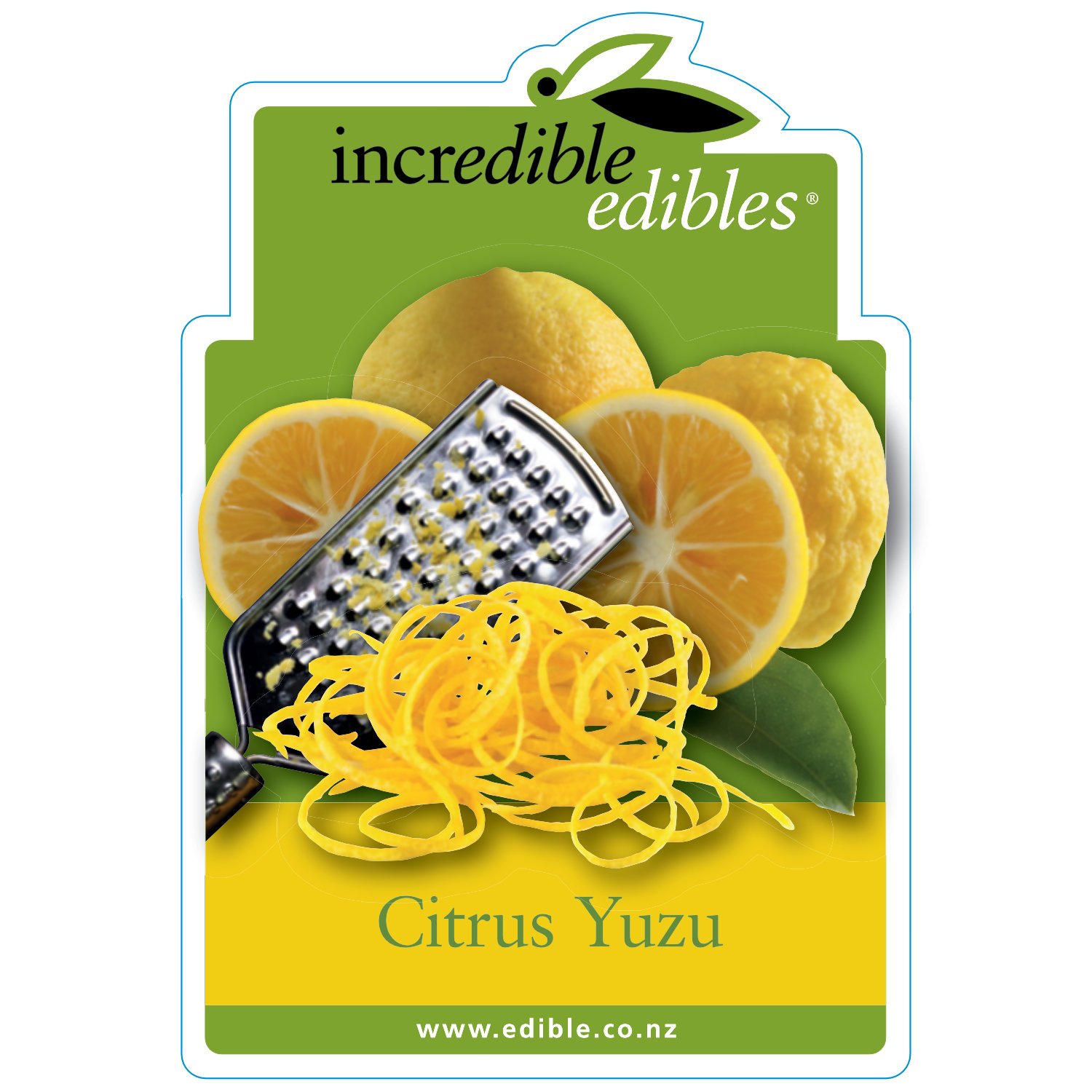
Citrus Yuzu is a Japanese lemon valued for its highly aromatic rind. Yuzu is known to maintain its tart/sourness at high cooking temperatures. The Yuzu contains a limited amount of juice. Yuzu is described as sour, tart very fragrant. The seeds are large, and the rind thick. The growth habit is upright, and the plant has many large thorns.
Prune to maintain shape and remove dead or diseased branches. (Remove any sucker growth). Citrus is heavy feeders, requiring regular feeding with a Citrus fertiliser and/or manure (3-4 times annually). Apply a good layer of mulch in spring and autumn to keep weeds at bay and help with moisture retention. Spray alternatively and regularly with an organic copper spray and an organic oil spray. This will prevent insects and fungal diseases.
Our, Getting the best from your Citrus expert advice page, provides more information on Citrus care.
Citrus junos
Mandarin Sweetie is an excellent mandarin variety, where kids can just pick them from the tree and eat. A medium sized mandarin that is easy to peel and segments separate easily. The mandarin is both very sweet and juicy making it also a favourite for the lunch box. Loaded with Vitamin C and ripens from June right through to August. In addition to the yummy fruit it also has fragrant white flowers. Mandarin Sweetie is a cross between a Mandarin and a Tangerine is bred in New Zealand for New Zealand gardens and is disease resistant.
Mandarin Sweetie is a medium-sized shrubs and can easily be trimmed to maintain shape, if space is limited they can also be espaliered against a sunny fence. Citrus are heavy feeders, requiring regular feeding with a Citrus fertiliser and/or manure (3-4 times annually). Apply a good layer of mulch in spring and autumn to keep weeds at bay and help with moisture retention. Spray alternatively and regularly with an organic copper spray and an organic oil spray, preventing insects and fungal diseases.
Our, Getting the best from your Citrus expert advice page, provides more information on Citrus care.
Citrus reticulata ‘Bay sweetie’ PVR
Get inspired by homegrown deliciousness
Incredible Experts
Hang out with our experts for a few home-grown tips and tricks.


Bearss Lime is a Lemon-sized oval fruit with a thin adherent rind and is a pale greenish yellow at maturity. Greenish acidic, juicy pulp that rarely has seeds. Bearss Lime is often used in garnishes, baking, soups, cocktails and juicing. Bearss Lime, with densely dark green foliage, almost thornless, with a compact habit. It is attractive as a container plant to appreciate the fragrant flowers and fruit, but just as easily grown in any garden situation.
Prune to maintain shape and remove dead or diseased branches. (Remove any sucker growth). Citrus is heavy feeders, requiring regular feeding with a Citrus fertiliser and/or manure (3-4 times annually). Apply a good layer of mulch in spring and autumn to keep weeds at bay and help with moisture retention. Spray alternatively and regularly with an organic copper spray and an organic oil spray. This will prevent insects and fungal diseases.
Our, Getting the best from your Citrus expert advice page, provides more information on Citrus care.
Citrus latifolia ‘Bearss Lime’